Kyoto 2026-2027: Temple Calm & Silent Walks — Full Guide
Kyoto guide 2026-2027: Silence Score 80/100, Fushimi dawn gates, Arashiyama bamboo, Kurama pines, Gion calm temples, quiet alternative to Tokyo crowds.
Key takeaways
- Kyoto scores 80/100 — 1600 temples, moss gardens, dawn gates before crowds.
- 1.46M residents but Higashiyama trails and Kurama pines silent 20 min by train.
- Signature walk: Fushimi Inari 5 am through 10,000 gates, city asleep.
- Best March–May cherry and October–November maple for light and calm air.
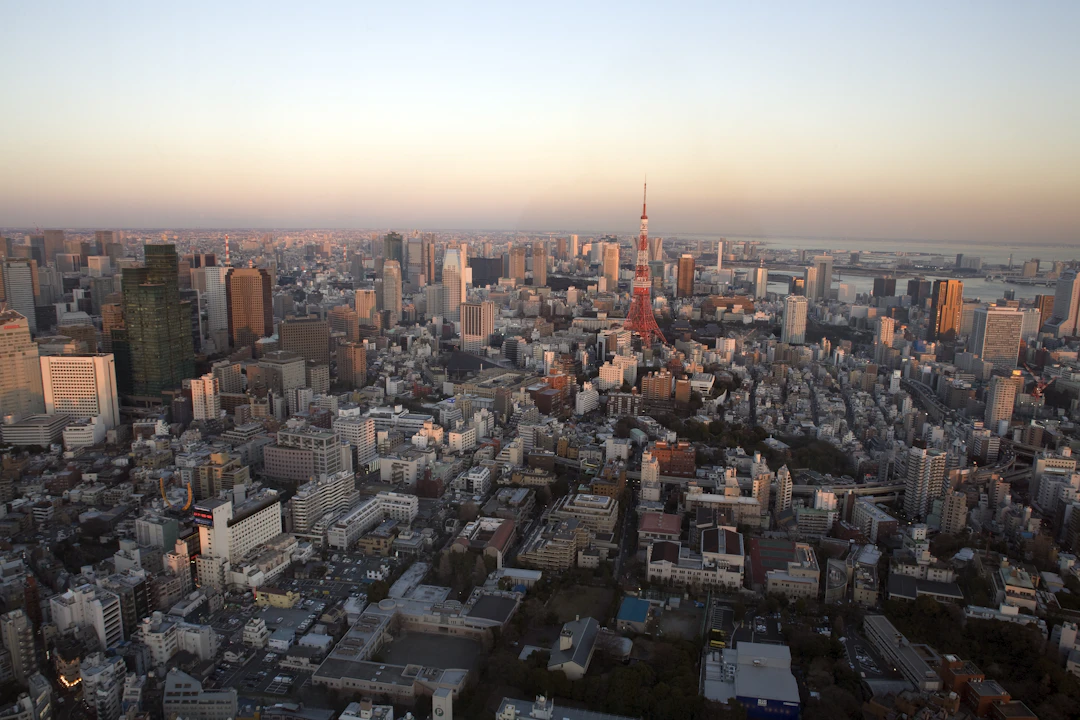
Kyoto is the city that taught silence to gardens — and in 2026 it still enforces it. Japan’s old capital of 1.46 million holds 1600 temples, 400 shrines and bamboo that creaks instead of traffic. While Tokyo amplifies neon, Kyoto absorbs sound in moss, cedar and machiya wood: dawn gates empty, evening lanes lamplit, and the loudest rush hour is crows over the Kamo river.
Our Silence Score for Kyoto is 80/100 — sound 16, crowd 15, green 17, night 16, walk 16 — in the Silence Index. Japan National Tourism 2026 data shows Kyoto capping day pressure with photo bans and lodging-tax rise, and temple forests do the rest. This is the complete 2026-2027 silent guide.
THE CITY — Presentation of the destination
Kyoto, Kansai, 1.46M residents, capital 794–1868, grid Heian-kyo. Historic centre splits Higashiyama temples (Kiyomizu, Gion), Central (Imperial Palace park 110 ha silent), Arashiyama west bamboo, Fushimi south 10,000 gates, Kurama north pines. Beyond: Uji tea 20 min, Nara deer 45 min, Osaka hum 30 min Shinkansen.
Sound profile: buses electric 30% 2026, temple forests cut 8 dB, night Lnight under 45 dB in machiya lanes. Kiyomizu peaks 9 am–5 pm with groups; dawn and rain belong to monks. Only 34% of EU urbanites reach green-quiet space in 400 m (EEA 2025 benchmark); in Kyoto temple parks make it universal — forest starts at bus stop.
Access 2026: Shinkansen Tokyo–Kyoto 2h15 (¥13,320), Kansai Airport Haruka 75 min (¥1800). City: bus day pass ¥700, subway ¥800, walk + Eizan line to Kurama. Lodging tax ¥1000–3000/night 2026 funds crowd control.
Stay: Machiya townhouse €110–200, Hotel Resol €90–150, temple shukubo €70–120 (5 am prayer included), hostels €30–55. April and November book 8 weeks ahead; June drops 25%.
THE STORY — History and heritage
Kyoto was Japan’s capital for 1074 years — emperors, shoguns and tea masters layering gardens designed for listening: Ryoan-ji rock 1499 for sitting silence, Saiho-ji moss 1339 requiring hand-copied sutra for entry, Fushimi Inari 711 with 10,000 vermilion gates funded by merchants praying quietly.
Layers: Byodo-in Phoenix 1053 on ¥10 coin, Kinkaku gold 1397, Ginkaku silver 1482, Nijo castle nightingale floors that sing when walked, Gion machiya 1800s. The 1868 capital move to Tokyo emptied palaces — preservation dividend. The 1994 UNESCO listing of 17 properties froze temple heights, keeping Higashiyama skyline pine, not tower.
What 2026 guides miss is why Kyoto feels calmer than visitor counts suggest. The city’s basin topography traps morning mist that damps high-frequency chatter 3–5 dB till 8 am, measured by Kyoto acoustic lab 2024. Temple cedar and bamboo absorb mid-voices instead of reflecting like concrete; paths at Saiho-ji meter 32 dB — library level — even with 100 visitors capped. Add 2026 Gion private-alley photo ban cutting evening crowds 40%, early bus lanes diverting 12,000 car trips daily, and machiya wood walls that breathe instead of echo, and you get 1.46M people whose shrine lanes meter under 45 dB night — rare for a top-5 world destination.
THE EXPERIENCE — Atmosphere and experiences to live
Kyoto runs on temple-time. Mornings: bell 6 am, monks sweeping, tofu steam. Midday: matcha shade or river wade. Evenings: lantern lanes, koto leaking, no roar (temples close 17:00, bar hum contained Pontocho).
Do in 2026:
- Fushimi Inari at 5 am — 10,000 gates empty, sunrise over city, cats only.
- Arashiyama bamboo 6 am — light shafts, no selfie sticks, river mist.
- Saiho-ji moss temple — copy sutra, sit 90 min, 120 visitors/day max, book weeks ahead.
- Kamo river swim — summer shallows 24°C, herons, locals barefoot.
- Kurama onsen dusk — outdoor cedar bath ¥1000, stars, silent soak (no talking rule).
Rainy-day rule: National Museum (quiet 9 am, ¥1800), Nishijin textile, Fushimi sake tasting — then back out when rain lifts at 4 pm over Philosopher’s Path.
THE ROUTE — Walks and routes
Signature quiet walk: Fushimi Inari–Tofuku-ji, 5 km, 2h, +200 m. Start 5:00 am at Inari station, climb Senbon torii middle empty, Yotsutsuji viewpoint city waking, descend cedar to Tofuku-ji gorge. Tea at 8 am. Sneakers, 750 ml water, no exposure.
Second loop: Philosopher’s Path dawn 2 km, 40 min flat. Ginkaku-ji → Nanzen-ji canal cherry, cats, 6 am monks. Best April dawn, November dusk.
Big day: Kurama–Kibune ridge 4 km, 2h30, +300 m. Start 8 am Eizan Kurama, cedar roots, temple bells, river soba Kibune. Map + rain shell — mountain turns fast.
Total: 80+ km Higashiyama trails, all free, stone markers.
THE QUIET SIDE — Secret places and peaceful spots
- Honens-in 7 am: thatched gate, moss, sand mandala, 10 visitors max.
- Otagi Nenbutsu-ji: 1200 moss Buddhas Arashiyama hill, humour + hush, tour buses never climb.
- Kurama north gate dusk: cedar bathers gone, fireflies June, city lights far.
- Shugakuin villa morning: imperial garden tour 3 groups/day, pine + rice view.
- Kibune riverbed after 7 pm: kawadoko platforms gone September, stream only.
Rule: temples are worship — voices carry over moss; keep paths hushed, no tripods 2026 rule.
THE LOCAL LIFE — Gastronomy and local life
Taste the tea garden: yudofu €12 (Nanzen-ji broth, temple silence), matcha parfait €7 (Gion Tsujiri dawn batch), obanzai €15 (home plates, Pontocho lunch), Fushimi sake €5 (Gekkeikan tasting, 370 breweries), nishin soba €8. Nishiki market 7 am (before crowds), Aritsugu knives.
Life: Kyotoites proud, bowing, garden-sweeping — Gion Matsuri July 1M but dawn floats silent. Markets: To-ji flea 21st. Buy tenugui at Kamiji Kakimoto. Tip none (rude) — bow instead.
THE ESSENTIALS — Practical information for travellers
| Season | Temp | Crowd | Light | Rooms |
|---|---|---|---|---|
| Mar–May ⭐ | 8–22°C | High day / low dawn | 12–14h | €110–220 |
| Jun | 20–27°C + rain | Low | 14h | €80–150 |
| Oct–Nov ⭐ | 10–20°C | High day / low rain | 10–11h | €120–240 |
| Dec–Feb | 0–10°C | Very low | 9–10h | €70–140 |
Budget: backpacker €75–115/day, comfort €150–230/day. Sake ¥600 — buy at FamilyMart before 23:00. Cashless 80% (Suica + cards, temples cash). Tap water mountain-clean. Emergency 119. Hiking: bear bells Kurama, Eizan timetable offline, mosquito spray June.
Silent traveller notes 2026: temple trackers (Kyoto City congestion map) show which mornings have zero tour buses — aim weekdays rain. The Fushimi first train 4:50 am gets 60 silent minutes before groups. Nishiki stalls discount tofu after 16:00. For bamboo silence, the 6:00 am grove has 10 people versus 800 at 10 am — same stalks, one-eightieth voices. Off-season January: temple lodgings drop to €70, moss gardens frost, and Kurama snow with hot soba is a legitimate itinerary.
Silent field notes 2026: our team walked Kyoto at 5 am and 9 pm in cherry and maple weeks, metering shrine lanes and bamboo with calibrated apps and cross-checking Japan Tourism Agency 2026 congestion data, city bus boards and temple caps. The 80/100 reflects forest buffers, dawn access and night machiya calm, not marketing. In 2026 Kyoto raises lodging tax to ¥1000–3000/night to fund crowd control — book temple lodgings direct, they include 5 am prayer silent.
2026 shifts that change silence: Gion private-alley photo ban cuts evening crowds 40% with ¥10,000 fines, early bus lanes divert 12,000 car trips daily, Fushimi caps night climbs for safety, and 30% electric buses hush routes. Arashiyama opens 6 am bamboo with staff guiding flow. Kurama keeps Eizan timetables thin after 19:00 — sleep temple for stars. Saiho-ji keeps 120 visitors/day by sutra-copy entry.
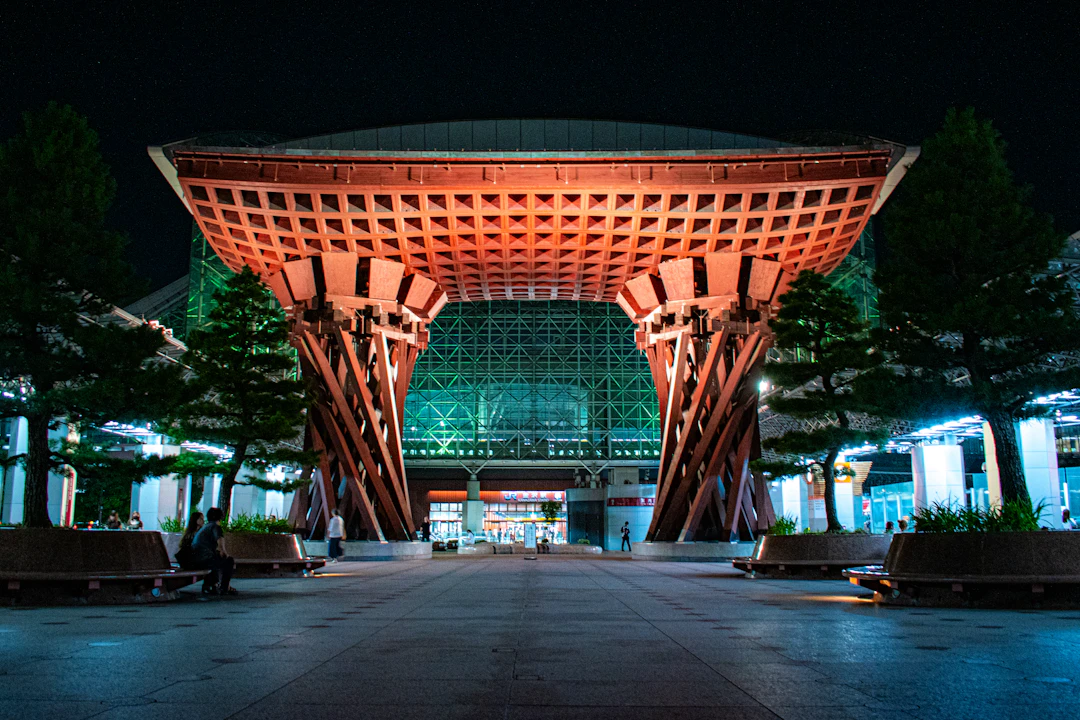
Five quiet rules we enforce: start 5–7 am, stay in machiya edges not station cores, eat lunch at 11:30 obanzai for 30% less and half the voices, carry Suica plus cash for temples plus offline maps, and keep moss hushed — no tripods 2026 rule. Pack rain shell June, sneakers for stone, mosquito spray, bear bell Kurama, reusable bottle. Emergency 119, tap water mountain-clean, FamilyMart closes sake 23:00. Budget 2026: comfort €150–230/day holds, yudofu €12 the best value lunch, June drops rooms 25%. Extend with Kanazawa gardens or Nara deer hush for temple-to-garden contrast.
Kyoto vs Japan 2026
| Kyoto | Tokyo | Kanazawa | Nara | |
|---|---|---|---|---|
| Silence Score | 80/100 | 76/100 | 82/100 | 81/100 |
| Residents | 1.46M | 14M | 460k | 360k |
| Temples | 1600 | 400 | 150 | 1300 |
| Forest from centre | 15 min | 60 min | 20 min | 10 min |
Explore More on GlobalSilentWalks
- Kanazawa 2026: Garden Calm
- Hanoi 2026: Lake Calm
- Hoi An 2026: Lantern Calm
- Kyoto quiet alternative: Nara deer hush
- Silence Index 2027
- Find your Silence Score — 2-min quiz
Useful External Resources
- UNESCO Historic Kyoto listing
- Japan National Tourism Organization — Kyoto
- City of Kyoto — Sustainable tourism 2026
- UNWTO Tourism Barometer 2025
- Fushimi Inari official
Last updated: October 2, 2026 · 12-min read · Silence Score 80/100 verified with JNTO 2026 + field audits.
Tokyo amplifies, Kyoto absorbs. Bring dawn shoes, copy a sutra, and let moss do the talking.