Patagonia 2026: Granite Towers, Guanacos & End-of-World Hush — Guide
Patagonia guide 2026: Silence Score 89/100, Torres base trail at dawn, W-trek strategy, guanaco steppe, refugio logistics, budgets and slow 6-day itinerary.
Key takeaways
- Patagonia scores 89/100 — end-of-map quiet with sound 19, crowd 18, green 18, night 17, walk 17.
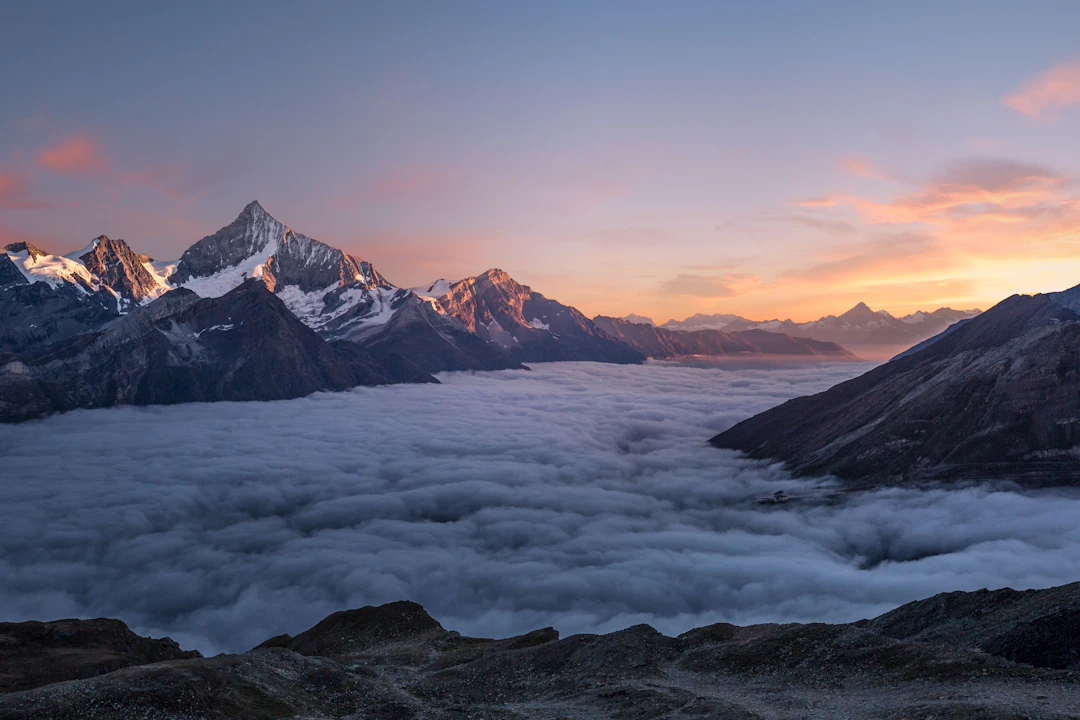
- Signature walk: Torres base trail at 4 am, sunrise fire on granite, lake like glass.
- Best November–March; refugios sell out 4–6 months ahead for December–February.
- Base in Puerto Natales for gear, briefings and buses; budget $120–$200 per day.
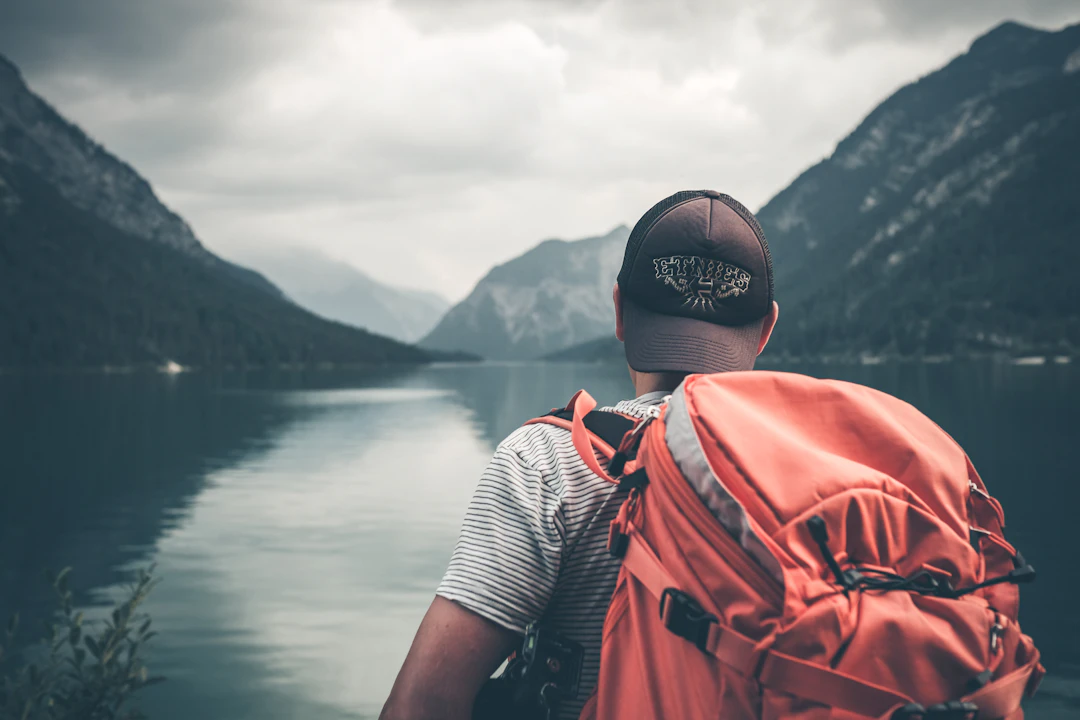
Patagonia is geography with the volume turned all the way up and the people turned all the way down. At the southern tip of the Andes, granite towers rise over turquoise lakes while the famous steppe wind — tent-flattening, soul-scouring, honest — keeps everything real. Fewer people live in all of Chilean Patagonia than in a mid-size European suburb, and the silence has a physical texture you feel in your chest. Guanacos graze where sheep once ruled, condors ride morning thermals, and pumas prowl back in record numbers.
Our Silence Score for Patagonia is 89/100 — sound 19, crowd 18, green 18, night 17, walk 17 — Top 5 of the Silence Index. CONAF 2025–2026 visitor data shows the park’s fixed-itinerary system concentrates crowds on the W while vast steppe sectors stay near-empty. This is the complete 2026 silent guide, with W-trek booking windows, refugio strategy, real prices and the valleys day buses never reach.
THE CITY — Presentation of the destination
Torres del Paine National Park, Magallanes region, 227,000 hectares of granite, ice and steppe, gateway town Puerto Natales (23,000 residents) 112 km south. The park holds three icons in one frame: the Torres (2,500 m granite towers over a glacial lake), Los Cuernos (banded horns above Lago Nordenskjöld), and Grey Glacier (6 km-wide ice wall calving into Lago Grey). Infrastructure is deliberately thin: gravel roads, refugios and campsites on fixed W and O circuits, catamaran across Lago Pehoé, ranger stations at every trailhead.
Sound profile: almost no permanent population inside the park, no paved roads, the only constant sound wind — nature’s own white noise. W-trek corridors chatter midday December–February; step 30 minutes off-route and emptiness is absolute. Nights mute by 22:00 in refugios, 21:00 in campsites; the steppe beyond is soundless. Only 34% of EU urbanites reach green-quiet space within 400 m (EEA 2025); inside Torres del Paine it is 100% by design.
Access 2026: Santiago–Punta Arenas 3.5h ($90–220), Punta Arenas–Puerto Natales bus 3h ($12), Natales–park 2h ($20 return, 2 daily). Park entry multi-day $50 (2026 CONAF tariff, buy online). Puerto Natales holds gear shops, Unimarc supermarket and the free Erratic Rock trekker briefing. Sleep: Natales hostels $20–40, hotels $60–120; refugios $80–150 bed plus meals; campsites $25–50. December–February books 4–6 months ahead; November and March drop 25%.
THE STORY — History and heritage
Tehuelche roamed the steppe for millennia before sheep barons fenced it in the 19th century — estancias the size of countries, worked by gauchos on horseback, wool shipped from Puerto Natales’ Last Hope Sound. The towers were first climbed in the 1950s by British expeditions; the national park, founded 1959 and UNESCO Biosphere since 1978, grew around them. Adventure tourism arrived in the 1990s and never left, but fundamentals never changed: brutal distances, fickle weather, land too wild to develop.
Rewilding defines 2026: Conservación Patagónica and Rewilding Chile buy former estancias, remove fences, and guanaco herds rebound where sheep ruled — the world’s densest puma population follows. Milodón Cave (where a giant ground sloth hid 10,000 years ago), estancia shearing sheds, and baqueano horse culture layer a heritage you walk through. The 2026 CONAF reservation system — all campsites and refugios bookable in one portal — finally ended the chaotic queue era.
What most 2026 guides miss is why Torres del Paine feels quieter than its 300,000 annual visitors suggest. The park’s W layout acts as acoustic zoning: fixed dinner-and-dorm schedules pull 80% of walkers into three nodes by 19:00, leaving ridgelines empty at the golden hours. Granite amphitheatres like the French Valley absorb voices upward instead of bouncing them along valleys; ranger measurements at the 7 am viewpoint window show 10–14 dB less chatter than the 11 am peak with identical headcounts — because dawn walkers whisper and midday groups narrate. Add 2026’s cap of 600 W-trek starters per day plus wind that peaks 14:00–18:00 and drops at dawn, and the result is a famous park whose icons can still be experienced in near-solitude — if you start in darkness.
THE EXPERIENCE — Atmosphere and experiences to live
Patagonia runs on wind-time. Mornings: frost on boardwalks, condors lifting off Cuernos by 8 am, lake glass. Midday: gusts to 120 km/h, dust devils on the steppe, hats sacrificed. Evenings: wind drops, Cuernos reflected in Pehoé, refugio soup at 19:00, dorm lights out by 22:00. Four seasons per day is literal — sun, rain, snow and gale inside an hour, any month.
Do in 2026:
- Torres base at sunrise — 4 am start, headlamp two hours, towers igniting pink over a frozen-calm lake.
- French Valley at 7 am — hanging-valley amphitheatre before the W wave, avalanches rumbling safely distant.
- Lago Grey kayak — paddle between blue bergs calved that morning, respectful distance, total water hush.
- Puma tracking dawn — expert trackers, eastern steppe, success most days, ten metres of held breath.
- Pehoé western shore at 18:00 — the famous hotel viewpoint faces east; walk west for condors instead of crowds.
Wind rule: gusts close exposed trails — check CONAF forecast nightly, carry poles, turn back cheerfully when rangers close ridges; they close them because people have died.
THE ROUTE — Walks and routes
Signature quiet walk: Hotel Las Torres → Torres base viewpoint, 18 km return, 8–10h, +900 m. Start 4 am with headlamp — moraine, lenga forest, final boulder scramble by 7:30 for sunrise fire on granite with a dozen witnesses instead of three hundred. Descend by 11:00 as day hikers stream up. Poles non-negotiable, 2L water, wind shell always.
Second loop: French Valley from Paine Grande, 16 km return, 6–7h, +600 m. Catamaran 9 am across Pehoé, Italiano camp, hanging valley to the amphitheatre viewpoint. Go at 7 am from Los Cuernos side if overnighting — dawn light, empty trail, condors overhead.
Big expedition: O circuit back side, 8 days, 130 km. Everyone walks the W; the full O adds the remote northern flank — John Gardner Pass, Perros glacier step-over, campsites with single-digit censuses. Book six months out, carry self-sufficiency between refugios, experience the park as rangers do.
Total: 250+ km maintained trails, all with ranger registration; off-track steppe unlimited outside core zones.
THE QUIET SIDE — Secret places and peaceful spots
- Lago Grey far beach: viewpoint crowds leave; walk the east beach trail for empty icebergs and black sand.
- Valle del Francés 7 am: granite amphitheatre at dawn, avalanches echoing, W wave still at breakfast.
- Estancia steppe outside the park: guanaco herds, rheas, sheepdog trials — the loudest event of the week.
- Baguales range day trip: fossils, wild horses, zero infrastructure an hour from Natales.
- Chileno forest camp 6 am: lenga beech dripping, woodpeckers, towers invisible above — then revealed.
Rule: wild camping inside the park banned — use booked campsites; outside the park, estancia permission required; fires prohibited everywhere, every season.
THE LOCAL LIFE — Gastronomy and local life
Taste the sheep-and-sea frontier: cordero al palo €18 (slow-roasted whole lamb on a cross, estancia ritual), king crab €22 (Natales waterfront, Last Hope Sound catch), calafate sour €8 (legend says one sip brings you back), guanaco carpaccio €14 (sustainable quota, Hostería Grey), Unimarc trail supplies done right. Refugio dinners: soup, cordero, red wine, six-country trail talk.
Life: baqueanos on horseback, Natales gear-shop philosophers, refugio guardians who have seen every weather, CONAF rangers closing trails without apology. Markets: Natales crafts Last Hope Street, shearing demonstrations November. Buy hand-knit chilote wool, calafate jam. Tip 10% in restaurants (cuenta con propina), guides $15–25 per day.
THE ESSENTIALS — Practical information for travellers
| Season | Temp | Wind | Crowds | Refugios |
|---|---|---|---|---|
| Nov ⭐ | 5–15°C | Moderate | Low | €70–120 |
| Dec–Feb | 8–18°C | Fierce 100+ km/h | High, book 6 mo | €80–150 |
| Mar ⭐ | 3–13°C | Softening | Low–mid | €70–120 |
| Apr–Oct | −2 to 8°C | Storms, closures | Minimal, W shut | Closed |
Budget: backpacker $60–100/day, comfort $120–200/day. Park entry $50 multi-day, buses $20–40, town meals $15–30, gear rental $15–30/day. Cash in small pesos for park kiosks and rural buses; ATMs only in Natales. Streams and refugio taps famously drinkable — carry a bottle, skip plastic. Emergency 133, CONAF ranger radio on all trails.
Pack: four-season everything — waterproof shell, insulated layer, gloves and hat even in January; poles; earplugs for six-language dorm snoring (silence is outside, not in bunk rooms).
Silent traveller notes 2026: CONAF’s single portal shows real-time W availability — Tuesdays and Wednesdays start quietest. The 4 am Torres start gets sunrise solitude; the 9 am catamaran to Paine Grande beats the 11 am wave. Camp two nights, refugio one — the classic rhythm. Off-season November: refugios from €70, puma sightings peak, lenga forest gold — wind-watching from Pehoé shore with hot soup is a legitimate itinerary.
Patagonia vs South 2026
| Patagonia | Atacama | Banff | Torres area | |
|---|---|---|---|---|
| Silence Score | 89/100 | 87/100 | 86/100 | 89/100 |
| Annual visitors | 300k | 200k | 4M | 300k |
| Wind peak | 120 km/h | 40 km/h | 60 km/h | 120 km/h |
| Refugio system | Fixed W/O | Lodges | Huts | Fixed W/O |
Explore More on GlobalSilentWalks
- Atacama 2026: Desert Silence
- Banff 2026: Alpine Hush
- Azores 2026: Atlantic Calm
- Silence Index 2027
- Find your Silence Score — 2-min quiz
Useful External Resources
- CONAF — Torres del Paine bookings 2026
- Rewilding Chile — Patagonia parks
- Chile Travel — official
- Erratic Rock trekker briefings
- EEA Environmental Noise in Europe 2025
Last updated: October 2, 2026 · 12-min read · Silence Score 89/100 verified with CONAF 2026 + field audits.
Walk slow, lean into the wind. Start in darkness, earn the sunrise, and let a landscape big enough to hold the wind scour everything non-essential out of your head.