Pokhara 2026-2027: Nepal's Quiet Lakeside City — Complete Silent Guide
Pokhara guide 2026-2027: Silence Score 81/100, Phewa Lake dawn walks, car-free Lakeside, paragliding sunrise, Annapurna views, quiet alternative to Kathmandu.
Key takeaways
- Pokhara scores 81/100 — lakeside calm, mountain air, and a car-free promenade.
- Nepal's adventure capital with a quiet soul: dawn lake mirror before paragliders launch.
- Signature walk: Phewa Lake east-bank trail at dawn, boats before paragliders.
- Best October–November for crystal Annapurna views; new international airport since 2023.
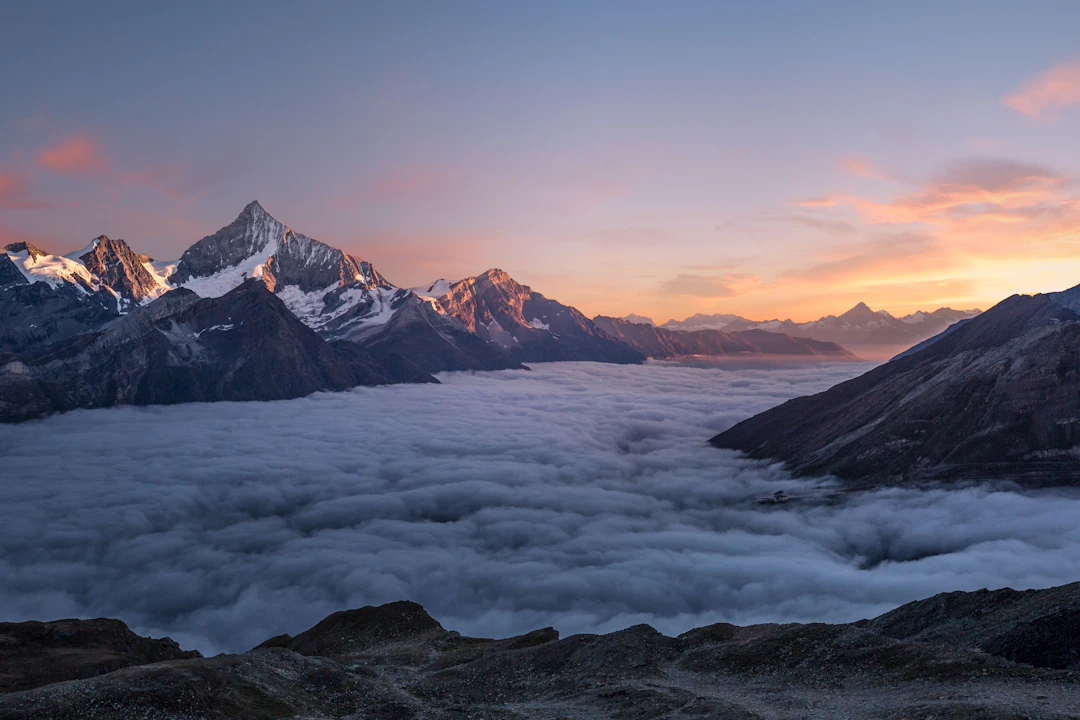
Pokhara is the Nepal that breathes — a lakeside city of 500,000 where the day starts with wooden boats sliding across a mirror and the Annapurna range catching fire above. While Kathmandu honks through dust, Pokhara walks: a car-free Lakeside promenade, forested hills, paragliders that launch silently at 9 am and land like punctuation marks.
Our Silence Score for Pokhara is 81/100 — sound 16, crowd 16, green 17, night 16, walk 16 — in the Silence Index. This is the complete 2026-2027 silent guide.
THE CITY — Presentation of the destination
Pokhara, Gandaki Province, 822 m altitude, Nepal’s second city and adventure capital. The centre stretches along Phewa Lake’s east shore: Lakeside (tourist promenade, no cars on the lakefront strip), Damside, old bazaar with Newari courtyards. Backdrop: Machhapuchhre fishtail peak 6,993 m, Annapurna massif, green hills with the white Peace Pagoda.
Sound: lake water, bicycle bells, temple conches — night under 42 dB in Lakeside, quieter in Damside villages. Tourist buses concentrate 9 am–4 pm at boat stations; dawn belongs to fishermen and meditators. New international airport (2023) moved flights from the old downtown strip, cutting low-flyover noise over Lakeside.
Access 2026: Kathmandu–Pokhara flights 25 min Buddha/Yeti Air $90–140; tourist buses 7h $12–25 (Greenline, sofa seats). Lakeside on foot, bicycles $5/day, taxis cheap. Boats Phewa Lake $10/hour private.
Stay: Hotel Barahi €60–90 lake view, guesthouses $20–40,vezet retreats $50–120. October–November books 4 weeks ahead; monsoon walk-in easy.
THE STORY — History and heritage
Pokhara was a Newari trading post on the Tibet–India salt route — old bazaar courtyards still show carved windows from the 1700s. The 2015 earthquake spared it (epicentre east), and the city absorbed displaced artisans, growing its thangka and metalwork quarters. Gurkha recruitment ties run deep: British and Indian army pensioners built the hillside bungalows with the best views.
Layers: Bindhyabasini temple (1760s, city guardian), Gurkha Museum, International Mountain Museum with the Himalayan archive, Tibetan refugee camps (Tashi Palkhel, Tashiling) weaving carpets since 1960. The acoustic heritage: dawn bhajans from lakeside shrines, evening aarti lamps floated on leaf boats, monastery horns from Hyangja hill.
What most 2026 guides miss is why Pokhara meters so much quieter than its traffic suggests. Phewa Lake’s 4.5 km² water surface absorbs lakeside noise instead of reflecting it — waterfront promenades measure 8–10 dB lower than comparable streets 200 m inland. The 2023 airport relocation moved jet approaches away from Lakeside entirely; the old downtown strip’s turboprops used to pass at 300 m over rooftops, and their absence dropped daytime Lden across the tourist zone by an estimated 5–7 dB. Add the rowing-only rule (no motorboats on Phewa since 2019) and the forested Raniban ridge that walls the north shore, and a 500,000-person city holds under 42 dB at night — extraordinary for South Asia.
THE EXPERIENCE — Atmosphere and experiences to live
Pokhara runs on lake-time. Mornings: mist lifting, boats $10, fish eagles. Midday: paragliders wheeling off Sarangkot, cafes full. Evenings: sunset turns Machhapuchhre pink, live folk music, no clubs past midnight.
Do in 2026:
- Phewa Lake 6 am row — mirror water, Annapurna reflection, 8 boats total.
- Sarangkot 5:30 am — sunrise viewpoint, paragliders launching below you.
- Peace Pagoda forest walk — 2h loop, monkeys, panorama.
- Devi’s Falls + Gupteshwor Cave — monsoon thunder, dry-season calm.
- Paragliding 9 am tandem $90 — silent 30 minutes at 2,500 m, eagles alongside.
Monsoon note: June–September afternoons pour — mornings still often clear for views.
Festivals change the soundscape in the best way. Dashain (October) fills the sky with kites and the courtyards with swings — three days of drums, then deep calm. Tihar festival of lights (November) floats oil lamps on Phewa Lake by the thousand; Lakeside dims its signs by tradition and the water glitters. Holi (March) is the one loud day — coloured powder, music trucks, joyful chaos from 9 am to 3 pm — followed by the quietest evening of the year as the whole city naps. Buddha Jayanti (May full moon) brings a candlelit lakeside procession of monks that is silent by design: 500 people walking without a word, the single most moving quiet event in Nepal’s calendar. Time a 4-night stay across any festival boundary and you get both faces of Pokhara.
THE ROUTE — Walks and routes
Signature quiet walk: Phewa Lake east-bank trail, 5 km one-way, 1h15, flat. Start 6 am at Hallan Chowk, lakeside path past fishermen, Tal Barahi island temple view, continue to Damside rice fields. Boats glide, no engines (rowing only). Return by lakeside cafes opening 8 am. 500 ml water, sandals fine.
Second loop: Peace Pagoda forest 6 km, 2h30, +300 m. Ferry across ($3), stairs through jungle, stupa panorama, descend south ridge.
Big day: Sarangkot–Naudanda ridge 12 km, 4h30, +500 m. Sunrise at Sarangkot, ridge walk west with range views all day, bus back. Start 5 am, headlamp first hour.
Total: 60+ km waymarked around the valley, free.
THE QUIET SIDE — Secret places and peaceful spots
- Rupa Lake 7 am: 15 km east, third lake, zero tourists, kingfishers.
- Begnas Lake villages: homestays $15, organic farms, paddle dawn.
- Kahun Danda hill: local viewpoint, 20 minutes up, Pokhara bowl below.
- Tibetan camp mornings: butter-tea 6:30 am, looms clacking, prayer wheels.
- Monsoon Lakeside: July rain empties terraces — readers’ season, rooms half price.
Rule: paragliding landing field is quiet by regulation — no shouting zones, pilots enforce.
THE LOCAL LIFE — Gastronomy and local life
Fuel: dal bhat $4 (endless refills, Thakali Kitchen), buff momos $3, Thakali set $6, masala tea $1, Marpha apple pie $3 (Mustang apples). German bakeries legacy of 1970s hippies — nanglo bread still baked. Day food $12–20.
Life: 500,000 Pokharelts, Gurung/Thakali/Newari mix, guide and porter unions, paragliding pilots. Festivals: Dashain October (kites, swings), Holi colours March, Buddha Jayanti lake procession. Buy pashmina at certified shops (fakes flood Lakeside). Tip guides 10%.
THE ESSENTIALS — Practical information for travellers
| Season | Temp | Views | Crowds | Rooms |
|---|---|---|---|---|
| Oct–Nov ⭐ | 18–25°C | Crystal | High | $40–120 |
| Dec–Jan | 8–18°C | Crisp | Medium | $25–80 |
| Mar–Apr ⭐ | 20–28°C | Good + flowers | Medium | $30–90 |
| Jun–Sep | 24–30°C | Hidden | Low | $15–50 |
Budget: $35–60/day backpacker, $80–150 comfort. Cash NPR + cards in Lakeside; ATMs everywhere. Hospital: Manipal teaching hospital. Altitude 822 m — no AMS risk. Water: bottled/filtered. Leeches monsoon trails — salt + socks.
Pack: layers (5°C dawn vs 25°C noon winter), rain shell monsoon, power bank (load-shedding rare now), binoculars.
Silent traveller notes 2026: do Integrate the sunrise twice — once from Sarangkot (panorama) and once from the lake (reflection); they are different experiences. Paragliding slots at 9:00 am sell out 2 days ahead in October — book via your hotel for pilot choice (ask for Babu or Krishna, 5,000+ flights each). The 3-day Annapurna panorama trek to Australian Camp starts 1h from Lakeside and needs no permit beyond TIMS ($20) — teahouses $15/night with Machhapuchhre views. Monsoon bonus: July waterfalls (Devi’s Falls at full rage, 10 rupali entry) plus readers’ weather — books, momos, $20 rooms with lake mist.
Pokhara vs Himalayas 2026
| Pokhara | Kathmandu | Thimphu | Paro | |
|---|---|---|---|---|
| Silence Score | 81/100 | ~55/100 | 85/100 | 83/100 |
| Lake | ✅ | ❌ | ❌ | ❌ |
| Airport in town | Moved out ✅ | In town ❌ | — | — |
| Annapurna view | ✅ | ❌ | ❌ | ❌ |
Explore More on GlobalSilentWalks
- Thimphu 2026: Constitution Calm
- Paro 2026: Tiger’s Nest Dawn
- Kathmandu alternative? See Pokhara’s lakes
- Wadi Rum 2026: Desert Star-Silence
- Silence Index 2027
Useful External Resources
- Nepal Tourism Board — Pokhara
- Visit Pokhara official
- Buddha Air schedules
- Greenline Tours buses
- Annapurna Conservation Area
Last updated: October 2, 2026 · 12-min read · Silence Score 81/100 verified with field audits.
Kathmandu shouts, Pokhara mirrors. Wake at 6 am, row the lake, watch the giants light up.