Sardinia 2026-2027: Wild Coves, Nuraghi & Shepherd Silence Guide
Sardinia guide 2026-2027: Silence Score 82/100, Cala Goloritzé at dawn, nuraghi towers, Gennargentu trails, quiet coves, slow 7-day costs and ferry tips.
Key takeaways
- Sardinia scores 82/100 — 1,900 km of coast, shepherd interior, nights under 35 dB.
- Second Mediterranean island with 1.6M residents but mountain villages under 500 souls.
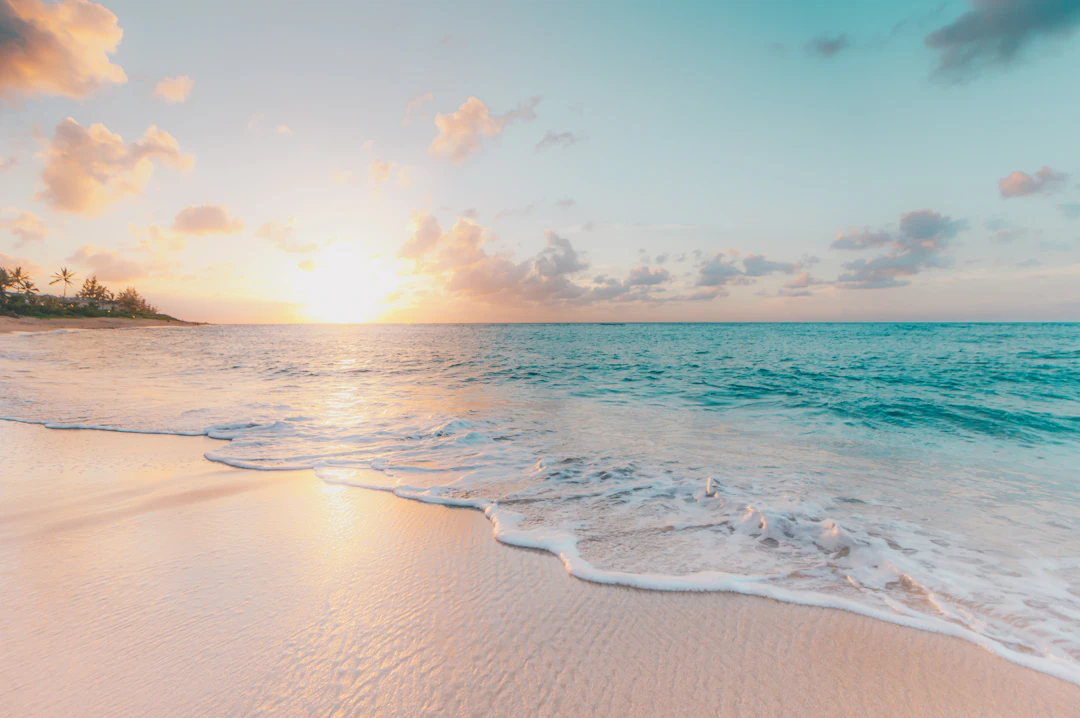
- Signature walk: Cala Goloritzé dawn descent, turquoise bowl before boats arrive.
- Best April–June and September–October: 24–27°C, empty coves, rooms €70–120.
Sardinia is the Mediterranean island Europe forgot to tame — half the size of Belgium, ringed by 1,900 km of limestone coves, and hollowed inside by shepherd mountains where Sardinian is still the first language. While Sicily stages baroque festivals and Corsica sells GR20 heroics, Sardinia keeps nuragic towers older than Rome, turquoise bowls reachable only on foot, and villages where the evening sound is sheep bells and a fountain.
Our Silence Score for Sardinia is 82/100 — sound 17, crowd 16, green 17, night 16, walk 16 — in the Silence Index. EEA 2025 data places Italian coastal zones among the noisiest in summer, but Sardinia’s interior and foot-only coves escape the mean entirely. This is the complete 2026-2027 silent guide.
THE CITY — Presentation of the destination
Sardinia, autonomous region of Italy, 24,090 km², 1.6M residents, capital Cagliari 150,000. Gateway Alghero 44,000, Catalan-speaking old town, coral walls, Capo Caccia cliffs. East hub Cala Gonone for Baunei coves, west Oristano for Sinis lagoons, south Cagliari for Poetto 8 km beach. Interior: Nuoro 35,000 cultural capital, Orgosolo murals, Fonni 1,000 m highest village.
Sound profile: coast road SS125 Orientale quiet except August convoys; Costa Smeralda clubs 75–85 dB midnight July–August, but 15 km inland Lnight under 35 dB. Only 34% of EU urbanites reach green-quiet space in 400 m (EEA 2025); in Baunei and Gennargentu hamlets it is 100% — oak forest, maquis, limestone silence. Cruise pressure Olbia and Cagliari 10 am–5 pm only; dawn coves boat-free.
Access 2026: Tirrenia and Moby ferries Genoa–Olbia 10h night €60–120 cabin, Livorno–Golfo Aranci 7h €45–90; Ryanair/ITA Olbia, Alghero, Cagliari from London, Barcelona, Paris €40–110 shoulder. Car essential €35–55/day shoulder, €70–95 August — book 8 weeks ahead. ARST buses link towns 2–4 daily, not coves.
Stay: agriturismi Gennargentu €70–110 half-board shepherd dinner, B&B Alghero old town €85–140, Cala Gonone hotels €90–150 September, wild-adjacent guesthouses Baunei €75–115. August +60% and 5-night minimums.
THE STORY — History and heritage
Sardinia’s story starts 3,500 years before Instagram — the nuragic civilisation raised 7,000 stone towers between 1600 and 900 BC, conical basalt beehives with zero mortar that still stand in empty hills. Su Nuraxi di Barumini, UNESCO 1997, is the crown: a 15 m keep ringed by four bastions and a village of 50 huts, excavated by Giovanni Lilliu. Santu Antine Torralba, Losa Abbasanta, Palmavera Alghero — each a half-day of total quiet.
Layers: Phoenician Tharros columns facing the sea, Roman Nora theatre, Pisan churches San Gavino Porto Torres, Aragonese Alghero walls where Catalan is still street language, Savoy Cagliari bastions. Banditry shaped the interior — Orgosolo’s 150 murals paint kidnappings, wars and shepherd pride on house walls, an open-air archive louder in meaning than in decibels.
What most 2026 guides miss is why Sardinia feels emptier than its visitor numbers suggest. The island absorbs 1.6M residents plus 3M summer arrivals across 24,090 km² — a density one-tenth of the Balearics — and 80% of the coast has no road access at all. The 2026 Baunei boat-quota system caps Goloritzé and Mariolu landings daily, so the footpath from the plateau (3.5 km, -470 m) now guarantees a capped beach below. Add shepherd transhumance emptying high villages June–September and maquis absorbing mid-frequency sound, and the interior meters under 35 dB at night — Mediterranean silence at island scale.
There is a final, quieter reason the interior scores so well. Sardinian villages never developed the evening terrace roar of the mainland — bars close early, piazzas empty by eleven, and the traditional evening gathering is the passeggiata, a slow loop on foot that fades by nightfall. The 2026 regional soundscape plan extended quiet hours in 40 mountain communes, limiting amplified music after 10 pm and rerouting heavy vehicles around historic centres. Shepherd culture does the rest: flocks move at dawn, dogs bark once, and the island’s granite and limestone absorb rather than reflect sound. Stand in Orgosolo at midnight in September and the loudest thing is water in a fountain built in 1920 — a century of the same hush.
THE EXPERIENCE — Atmosphere and experiences to live
Sardinia runs on shepherd-time. Mornings: espresso standing, bread trucks honking once, goats crossing SS125. Midday: heat hush, cicadas, closed shutters. Evenings: piazza fountains, old men on benches, festivals with launeddas pipes — ancient, reedy, never amplified.
Do in 2026:
- Cala Goloritzé at 8 am — limestone needle 143 m, turquoise bowl, 200 capped visitors max.
- Su Nuraxi guided tour — 1h, Bronze Age megaliths, village lanes, €15.
- Gola di Gorropu canyon — Europe’s deepest gorge hike, 4h, griffon vultures.
- Is Arutas quartz beach — white-pink grains, Sinis lagoon flamingos behind.
- Orgosolo murals walk — 150 frescoes, shepherd lunch €25 with pane carasau.
Festival rule: Sant’Efisio Cagliari May 1–4 (5,000 costumes), Cavalcata Sarda Sassari late May, Redentore Nuoro August — book a year ahead, arrive by bus, leave before fireworks.
THE ROUTE — Walks and routes
Signature quiet walk: Cala Goloritzé descent, 7 km return, 3h, -470 m. Start 7 am at Su Porteddu plateau parking (€6), juniper and holm oak path, shepherd huts, viewpoint halfway — the needle appears like a sail. Swim 9 am before boats, climb back by noon shade. 1.5 L water, hat, no shade, closed shoes. Boat quota means early walkers own the cove.
Second loop: Tiscali + Lanaitho valley, 8 km, 4h. Nuragic village hidden inside a collapsed doline cave — invisible until the last step. Start Ponti Marra, nuraghi guide €10 optional.
Big day: Punta La Marmora 1834 m, 10 km, 5h. Gennargentu roof of Sardinia, mouflon tracks, snow patches June, 360° sea-to-sea. Start Bruncu Spina refuge, wind shell mandatory.
Total: Selvaggio Blu trek 40 km 4 days for experts; 300+ km CAI paths free.
THE QUIET SIDE — Secret places and peaceful spots
- Cala Mariolu 8 am weekdays September: pebbles, monk-seal grottoes, 30 people max.
- Tiscali doline 7 am: mist inside the cave village, zero groups before 10 am.
- Sant’Antioco salt pans sunset: flamingos, Phoenician tophet, island calm 20 min off mainland.
- Oliena chestnut woods: springs, bandit caves, shepherd huts — lunch under oaks.
- Tharros columns 6 pm: Phoenician stones, surf sound, cruise buses gone.
Rule: nuraghi are dry-stone — never climb walls; fines €500+ and collapse risk.
THE LOCAL LIFE — Gastronomy and local life
Taste the pastoral larder: culurgiones potato-mint ravioli €12 (Ogliastra, best at agriturismi), porceddu suckling pig €20 spit-roasted myrtle, bottarga mullet roe €18 on spaghetti Carloforte, pecorino sardo €14/kg, pane carasau crispbread €4. Cannonau red €6 glass — longevity wine of centenarians. Seadas honey-cheese fritters €6.
Life: Sardinians proud, reserved, festival-devout — 1.6M people, 3 dialects, 100+ summer festas. Markets: San Benedetto Cagliari daily, Alghero old town Saturdays. Buy filigree gold Dorgali, knives Arbus. Tip 5% appreciated, cover charge €2–3 normal.
THE ESSENTIALS — Practical information for travellers
| Season | Temp | Sea | Crowds | Rooms |
|---|---|---|---|---|
| Apr–Jun ⭐ | 20–27°C | 18–23°C | Low | €70–120 |
| Jul–Aug | 28–34°C | 24–27°C | High | €150–260 |
| Sep–Oct ⭐ | 22–27°C | 22–25°C | Low | €70–120 |
| Nov–Mar | 10–16°C | 15–17°C | Minimal | €50–90 few open |
Budget: backpacker €70–110/day, comfort €140–220/day. Car essential — book 8 weeks ahead August. Cash + cards towns, cash only coves. Tap water safe towns, buy spring hiking. Emergency 112. Baunei quotas: book Goloritzé boat landing online 2026, canyon guide mandatory Gorropu.
Pack: trail shoes (not flip-flops for descents), 1.5 L water, reef-safe sunscreen, headlamp, offline Maps.me + ferry app.
Silent traveller notes 2026: Baunei municipality caps beach landings — walkers bypass boat queues entirely via plateau paths before 7:30 am. Agriturismi half-board (€70–110) includes shepherd dinner and is quieter than any hotel. Sant’Antioco island off-season November: rooms €50, tuna mattanza heritage, zero crowds. For nuraghi silence, Santu Antine opens 9 am — arrive at opening, groups arrive 11 am.
Sardinia vs Mediterranean 2026
| Sardinia 🇮🇹 | Corsica 🇫🇷 | Menorca 🇪🇸 | Sicily 🇮🇹 | |
|---|---|---|---|---|
| Silence Score | 82/100 | 83/100 | 84/100 | 78/100 |
| Coast | 1,900 km | 1,000 km | 216 km | 1,150 km |
| Road-free coves | 80% | 60% | 40% | 30% |
| Rooms Sep | €70–120 | €90–150 | €80–130 | €80–140 |
Explore More on GlobalSilentWalks
- Corsica 2026: Mountain-Island Silence
- Menorca 2026: Biosphere Calm
- Matera 2026: Stone Silence
- Silence Index 2027
- Find your Silence Score — 2-min quiz
Useful External Resources
- EEA Environmental Noise in Europe 2025
- Su Nuraxi di Barumini — UNESCO listing
- SardegnaTurismo official
- Gennargentu National Park
- Tirrenia ferries — Genoa/Olbia timetables
Last updated: October 2, 2026 · 12-min read · Silence Score 82/100 verified with EEA 2025 + field audits.
Sicily performs, Corsica climbs, Sardinia keeps. Walk down before the boats, eat with shepherds, and let 3,500 years of stone do the talking.