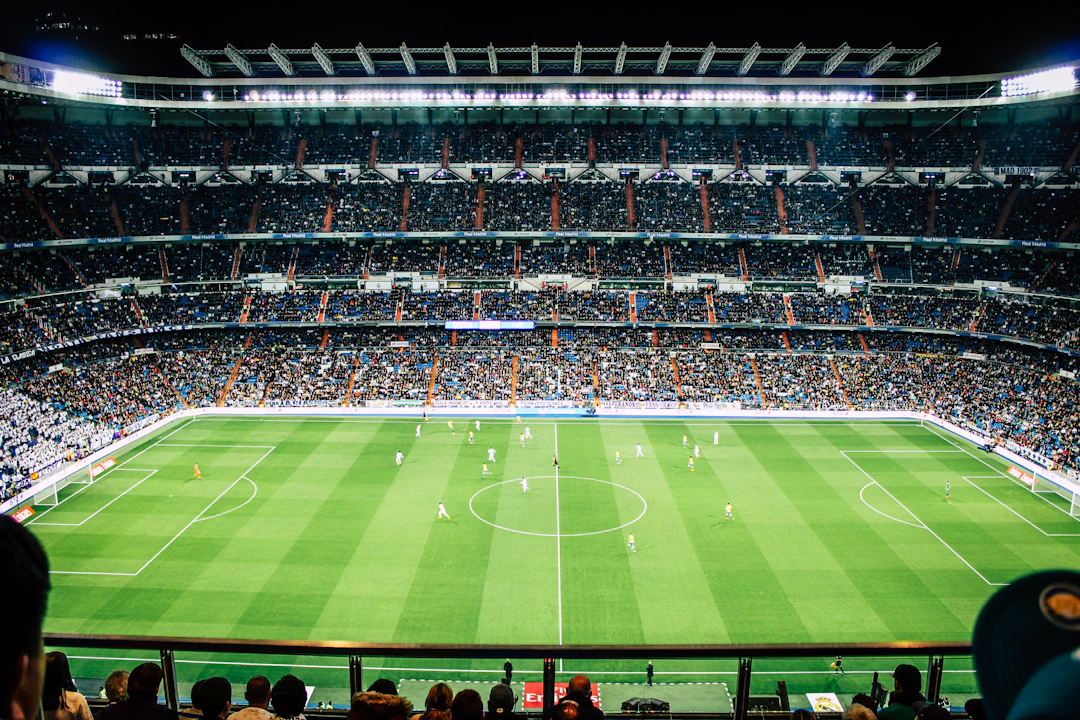
Nations League Break: England vs Spain Sept 26, Fixtures, Squads, New Eras
Sept 22: The merged 3-week break (Sept 21-Oct 6) starts — England face Spain at Wembley Sept 26, then Czechia (Sept 29), Croatia (Oct 3), Czechia (Oct 6).
Key takeaways
- Merged 3-week break Sept 21-Oct 6 (FIFA Council 2023 reform): 4 games in 11 days for England — Spain (H, Sept 26), Czechia (A, Sept 29), Croatia (H, Oct 3), Czechia (H, Oct 6).
- England squad crisis: Palmer, Rice, Rashford, Mainoo, Livramento out; Gibbs-White called up; Sesko a doubt for Slovenia.
- New dugout eras headline the break (Klopp, Xavi, Zidane bows); sack race simmers — De Zerbi, Carrick, Glasner, Arbeloa all feel heat.
Club football has stopped for sixteen days — and the new calendar’s first experiment begins. The September and October international breaks have been merged into one three-week window (September 21 to October 6), and England open their Nations League campaign with the hardest possible start: world champions Spain at Wembley on September 26, then three more games in eight days. With a squad stripped by withdrawals and a managerial sack race simmering back home, this break decides more than group points. Here is the full guide.
From the press box — Elena Marsh: Break format via ESPN (Hannah Ryan) and BBC (Sept 17-21). Fixtures via ESPN Nations League schedule. Squad news via 101 Great Goals (Sept 21). Sack-race context via BBC Sport (Sept 21). No odds, no tips, ever.
The new break, explained
Previously: four international breaks per season (September, October, November, March), nine days each, two matches per break. Now, per the FIFA Council reform approved in 2023: September and October merge into one 16-day window — September 21 to October 6, 2026 — with four matches per nation. November and March breaks keep their familiar two-week shape. The Premier League paused after the September 19-20 weekend and resumes October 10-11; Ligue 1, La Liga and the Bundesliga follow the same rhythm.
Why it matters: four games in eleven days compresses preparation, recovery and selection into a sprint. Squads need depth, not just stars — which is exactly England’s problem right now. Managers who wanted the old rhythm (two games, then back to clubs) get a mini-tournament instead. And for clubs, the injury risk concentrates: every star plays up to four high-intensity games before the October run-in. Winners of the break aren’t just group leaders — they’re the squads that come back whole.
discover our best football stadiums visit 2026 guide · discover our best travel credit cards no fees guide · discover our bundesliga 2026 27 preview guide
England’s four games in eleven days
| Date | Fixture | Venue | Note |
|---|---|---|---|
| Sept 26 | England vs Spain | Wembley | World champions; first game since WC semifinal defeat to Argentina |
| Sept 29 | Czechia vs England | Fortuna Arena, Prague | Away trip, 3-day turnaround |
| Oct 3 | England vs Croatia | Wembley | 4-day turnaround |
| Oct 6 | England vs Czechia | Wembley | Second meeting, 3-day rest |
England vs Spain (Sept 26, Wembley) is the tie of the break: Thomas Tuchel’s first match since the World Cup semifinal loss to Argentina, against the side that beat Argentina in the final. Spain arrive as champions of the world (and of Europe 2024); England arrive wounded, short-handed, and under a microscope. Wembley will be full and unforgiving — a good performance resets the cycle, a bad one poisons it.
Czechia away (Sept 29, Prague) is the trap game: three days after Spain, travel, rotation forced by fatigue and the withdrawal list. England play Czechia twice in eight days (home October 6) — four points minimum is the quiet target. Croatia at home (Oct 3) sits between the two Czechia games: Croatia’s golden generation is aging but never comfortable opposition. Four games, eleven days, one demand: top the group.
Squad crisis: who is out, who steps in
The withdrawal list reads like a team sheet: Cole Palmer (injured — Morgan Gibbs-White called up from Nottingham Forest), Declan Rice, Marcus Rashford, Kobbie Mainoo and Tino Livramento all out of Tuchel’s squad (101 Great Goals, Sept 21). That is creativity (Palmer), control (Rice, Mainoo), width (Rashford) and full-back cover (Livramento) gone at once — the spine of England’s depth chart.
The replacements define the break’s subplot: Gibbs-White gets the call after Forest form; the “five England players to watch” lists now matter more than ever — young players get four games to become regulars. Elsewhere, Benjamin Sesko faces tests after withdrawing from the Slovenia squad — concerning for Manchester United, who need their striker fit for the post-break run. Slovenia face their own September 26 tie (vs Kazakhstan page shows the fixture list; Scotland travel to Slovenia the same night — a World Cup-qualifying-flavoured evening across the continent).
Depth-chart truth: the merged break punishes thin squads and rewards academies. England’s absentees hand Tuchel a forced experiment — and forced experiments sometimes discover starters.
New eras on the touchlines
The break’s most intriguing storyline sits in the dugouts: Klopp, Xavi and Zidane all headline new-era bows in this Nations League window (101 Great Goals’ five-games-to-watch framing). After a summer World Cup that ended eras and started arguments, September’s touchline debuts reset several national projects at once. New systems, new selections, new patience (or none) — the first eleven days show which federations hired vision and which hired names.
Watch for: pressing intensity in game one (new coaches always demand running), goalkeeper/sweeper choices (the first tactical signature), and which veterans survive the first squad (the first political statement). International football’s new calendar means new coaches get four games, not two, to make their mark — the sample size doubles, and so does the judgment.
The sack race back home
While nations play, clubs wait — and some wait with fingers over buttons. The BBC’s break-week analysis names the pressure points: Tottenham are rock bottom and Roberto De Zerbi “needs results, and fast”; Manchester United drew 1-1 at Fulham (extending winless league run concerns) with Michael Carrick dismissing job fears as “ridiculous” — though Simon Stone notes Carrick’s Champions League qualification credit from last season buys patience, not immunity; Nottingham Forest’s 0-1 home defeat to Coventry (the Sky Blues’ first top-flight win in 25 years) piles pressure on Oliver Glasner; and Fulham’s own winless run squeezes Álvaro Arbeloa.
First game back? Manchester United v Tottenham — a direct duel between two of the named hot seats. The evidence says clubs rarely sack this early, but a three-week break is a long time to think — and boards do their thinking during breaks. October 10-11 isn’t just a restart; for one or two managers, it’s a final hearing.
Also on the radar
- Other Sept 26 ties: Slovenia-Scotland, Sweden-Poland, Türkiye-Italy, Romania-Bosnia, Bulgaria-Luxembourg — a full continental slate (ESPN schedule).
- PFA awards: Bruno Fernandes and Luke Shaw honoured — form lines for the break’s leadership groups.
- Women’s Champions League draw: Arsenal face holders Barcelona and record winners Lyon; Chelsea travel to Lyon; Man City meet Bayern — October’s European weeks are loaded.
- Asencio cleared over the explicit-video allegation case (BBC) — one less off-field cloud over Spain’s camp.
Sixteen days, four games, three new eras, two hot seats minimum. The clubs went quiet on September 21; the noise moves to Wembley, Prague and the dugouts. See you October 10 — with a group table, a casualty list, and probably one fewer manager.