Cahors Travel Guide 2026: Calm Walks, Local Food & Tips
Discover Cahors in 2026 with our slow travel guide. Explore quiet medieval streets, scenic river loops, and local markets away from the crowds.
Key takeaways
- Explore medieval Cahors on foot via peaceful riverside paths.
- Visit the iconic 14th-century Pont Valentré without tour crowds.
- Savor fresh regional produce at the bustling Place de la Libération market.
- Experience genuine slow travel in the heart of the Occitanie region.
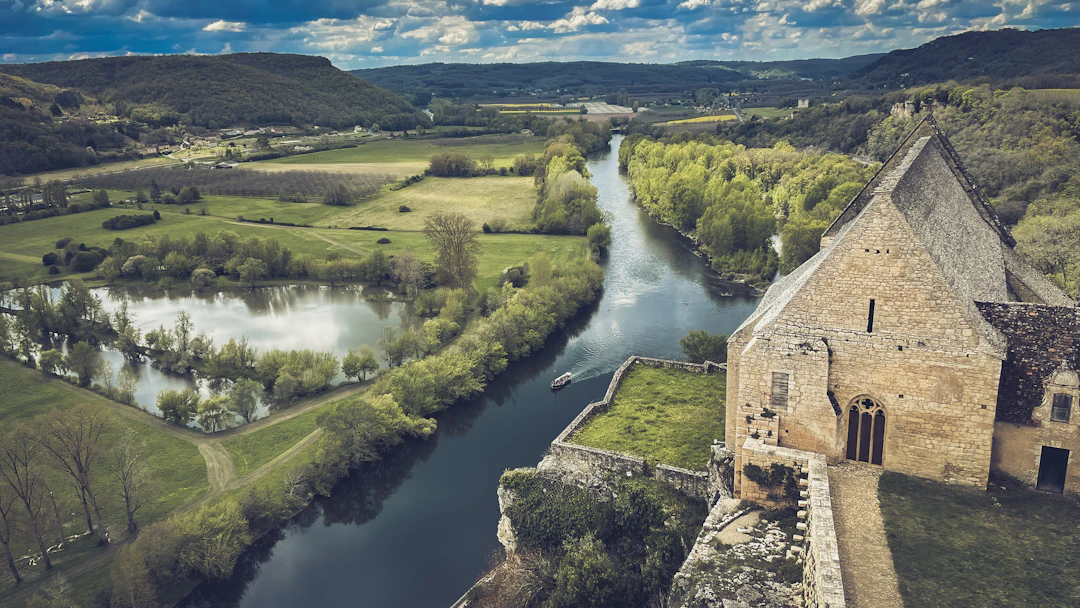
Cahors sits in a loop of the Lot river in the southwest, and the loop is the reason to come. The medieval centre is on the inside of the bend, so you can walk from the market to the fortified bridge in twenty minutes without ever losing sight of the water.
It’s also small enough to be a base rather than a stop. Paris is three and a half hours away by train, and almost nobody comes for longer than a day.
Why Cahors Works On Foot
The centre is pedestrian, the hills are low, and the interesting streets are narrow in a way that slows you down without stopping you. The old town is a working town: a market on the square, a cathedral that still has mass, and stone walls you can walk along at the top. You can’t take all of that in from a coach.
Twelve Things To Do
- Pont Valentré: a 14th-century fortified bridge with towers on three of its arches, and the single most-photographed building in town. Cross it at sunrise when it belongs to the pigeons and the river.
- Cathedral of Saint-Étienne: Romanesque in structure, Gothic in its later additions, with a cloister worth the detour and acoustics that people use for singing.
- Place de la Libération: the working square. Farmers, walnuts and cheese, with a market that starts early and finishes by lunchtime.
- Mont Saint-Cyr: the viewpoint above the southern riverbank. Half an hour up the marked trail, and the whole river loop underneath you.
- Les Jardins Secrets: small municipal gardens hidden behind ordinary walls, each planted on a medieval theme. There are over twenty, and you can’t see them all in a day, which is the point.
- Les Dalles: the stone corridors between Rue Saint-James and the river, where the houses are joined overhead.
- Le petit train: the open-air tourist train from Place Aristide Briand. It costs little, takes an hour, and saves your legs on the first day.
- Marché couvert: the covered hall by Place Galdemar, for regional produce rather than souvenirs.
- The riverbank below the bridge: the widest view of the Pont Valentré and the quietest place in the centre.
- The ramparts: the old walls are walkable in places, and they give you the layout of the town for nothing.
- Boulangeries on Rue Daurade: the street for bread and nothing else, which is as good a reason as any.
- A guided walk: the tourist office runs two-hour tours of the old town and the bridge in spring and summer, €8 to €15.
💡 Pro tip: The Jardins Secrets are free, open all day, and empty before ten. Take the one behind the mairie at opening and have it to yourself.
discover our Bourges guide · discover our Provins guide
Best Time To Visit
April, May, September and October. The weather is mild, the river is high enough to look like a river, and the market is busy without the centre being full of tourists.
| Month | Avg Temp (°C) | Rain Days | Crowds | Verdict |
|---|---|---|---|---|
| January | 6°C | 11 | Very Low | Cold but empty |
| February | 7°C | 10 | Very Low | Quiet |
| March | 11°C | 9 | Low | Blossoms on the trees |
| April | 14°C | 10 | Low | Best month |
| May | 18°C | 9 | Moderate | Long evenings |
| June | 22°C | 7 | Moderate | Warm, still easy |
| July | 26°C | 5 | High | Hot at midday |
| August | 26°C | 6 | High | Festival season, busy |
| September | 22°C | 7 | Low-Moderate | Harvest, calm |
| October | 16°C | 9 | Low | Autumn light |
| November | 10°C | 11 | Very Low | Museums and cafés |
| December | 7°C | 11 | Very Low | Quietest of the year |
A Three-Day Itinerary
Day 1, the centre. Coffee on Place de la Libération, the cathedral and its cloister, Les Dalles, then the ramparts. End on the riverbank under the Pont Valentré when the light goes.
Day 2, the hills. Mont Saint-Cyr in the morning, an hour at the top, and back down through the shade. Lunch somewhere cheap on Boulevard Gambetta, then the Jardins Secrets and the covered market.
Day 3, the backstreets. A morning in the small gardens and the lanes north of the centre, an afternoon reading in a garden you picked yourself, and a last walk along the bridge.
📍 Local insight: The footpath that runs underneath the Pont Valentré on the river side is the quietest place in Cahors at seven in the morning. You can hear the river under the arches without a single voice.
Budget Guide for 2026
| Category | Budget | Mid-range | Comfortable |
|---|---|---|---|
| Stay (per night) | €35–€55 | €85–€130 | €180–€280 |
| Food & Drink | €20–€35 | €45–€75 | €90–€150 |
| Transport | €5–€10 | €15–€30 | €40–€80 |
| Activities | €0–€10 | €15–€30 | €50–€90 |
| Total Daily Cost | €60–€110 | €160–€265 | €360–€600 |
Where To Stay
| Neighbourhood | Character | Price Band | Who It’s For |
|---|---|---|---|
| Old Town (La Cité) | Medieval, walkable, quiet at night | Mid to High | History lovers, solo walkers |
| Pont Valentré Area | Riverside, open views | Budget to Mid | People who want the view |
| Gambetta Boulevard | Shops and restaurants | Mid-Range | Families, long stays |
| Mont Saint-Cyr Slopes | Green, up the hill | High-End | Anyone who wants a view |
⚠️ Heads up: Rooms in the old centre go in September and October, when the walking weather is best, so don’t leave it late. Book three months ahead or take a room on Boulevard Gambetta.
Getting There
The train is the whole answer. Cahors is on the line between Toulouse and Bordeaux, about 1 hour 15 from Toulouse Matabiau, with tickets from roughly €15 to €30. From Paris, take a TGV to Montauban or Toulouse and change; allow about four hours in total. Toulouse-Blagnac airport is 110 km south, with a shuttle to Matabiau and then the regional train.
Inside Cahors you don’t need a car, and you won’t find parking for one. The centre is pedestrian and the sights are within twenty minutes of each other.
Frequently Asked Questions
- What is the best way to explore on foot? Start in the old town and follow the river loop out to the Pont Valentré. Wear shoes with grip, because the cobbles are uneven and steep in places.
- How do I get there from the UK? Eurostar to Paris, then a connection south via Toulouse or Montauban. Allow eight to ten hours door to door, and book the French leg early: €45 to €90 depending on when you buy it.
- Is it family-friendly? Yes. The squares are open and safe, the little gardens are good for a short walk, and the petit train takes the children round the monuments.
- Can I pay by card? Nearly everywhere, though the morning market is the place to keep €10 to €20 in coins.
- Will people speak English? In hotels and restaurants, usually. Bonjour and merci go further with the people who live here.
- Are there guided walks? The tourist office runs two-hour tours of the old town and the bridge in spring and summer, €8 to €15.
- What should I pack? Layers, a daypack, water, sun protection, and shoes with ankle support. Afternoon showers are normal in spring and autumn.
Sources & Further Reading
- Tourist office: https://www.cahors-valleedulot.com
- UNESCO World Heritage: https://whc.unesco.org
- SNCF Connect: https://www.sncf-connect.com
- Occitanie tourism: https://www.tourism-occitanie.com
Plan Your Trip & Start Walking
Two nights is the minimum for Cahors, and three is where it starts to relax. Take the morning train from Toulouse, sleep in the old town, and spend one whole day on the far bank instead of the centre. You won’t regret it.
From our shop: Anti-Theft Crossbody Travel Bag – RFID Safe 2026 and Lightweight Walking Sandals for Travel – Slow Travel 2026.