Montpellier Écusson 2026: Explore montpellier ecusson on Foot
Discover the charm of Montpellier Écusson in 2026 with our slow-travel guide, featuring quiet walks and immersive experiences Your 2026 guide to slow travel, bu
Key takeaways
- Explore Montpellier Écusson on foot for an immersive experience
- Discover hidden gems and off-the-beaten-path spots
- Enjoy the city's bohemian vibe and cultural highlights
- Indulge in local cuisine and non-alcoholic specialties
- Plan your trip with our budget guide and insider tips
✨ Montpellier Écusson is small enough to cross in fifteen minutes and layered enough to keep you there three days.
Introduction
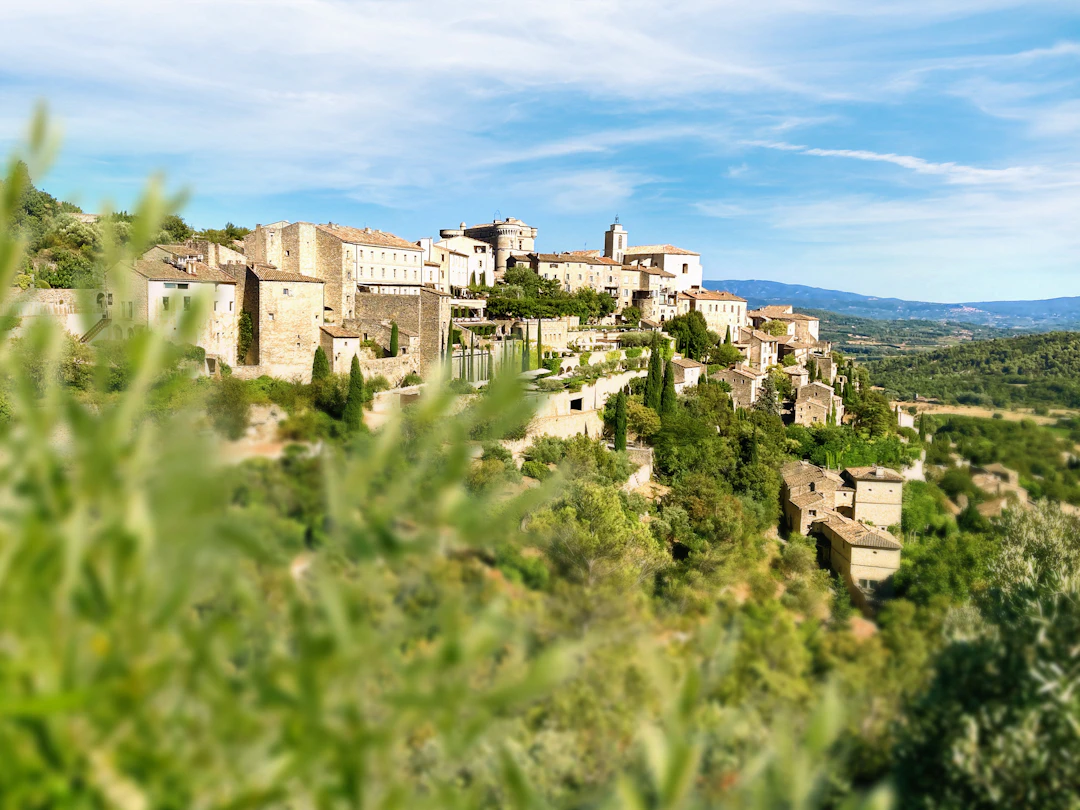
Écusson is the old centre, walled since the thirteenth century and still using its medieval street names. The lanes are narrow, the stone is warm-coloured, and the shade is good from noon onwards. It’s a working district, not a museum quarter: bakers, a covered market, students eating at the bar, and the tram passing two streets away.
Why Walk It
The whole thing fits inside a kilometre and a half, and you can’t get lost in it, which isn’t true of most old towns. You can cross from the cathedral to the Musée Fabre in twelve minutes without a map, and that’s the argument for walking it rather than riding through.
Things To Do
- Place de la Comédie: the flat oval at the centre of the old town, with the opera house at one end. Buskers, and a good place to stand still for ten minutes.
- Saint-Pierre Cathedral: twin Gothic spires, one of them unfinished, plus a climb up for the view over the rooftops to the Mediterranean.
- Musée Fabre: European painting from the Renaissance onwards, built around the collection Fabre gave the city. Two hours is the honest minimum, and you don’t regret the third.
- Rue de la Loge and the Plan de la Cavalerie — the medieval grid, best walked early when the shops are still shut.
- Marché des Beaux-Arts and the smaller food markets, which is where the tielle is.
- Jardin des Plantes: a botanical garden planted in the seventeenth century, with a view over the rooftops from the terrace.
- Promenade du Peyrou: the royal esplanade above the old walls, built to let the city see its own ramparts. Sunday mornings are locals on Rollerblades.
- Le Corum and the Antigone district: concrete and shade, a deliberate contrast, twenty minutes on foot.
- The Lez, which runs along the north edge of the old town on the way out to Port Marianne.
- A guided walk, if you want the medieval water channels explained rather than guessed at.
| Month | Weather | Crowds | Events | Verdict |
|---|---|---|---|---|
| January | Cool | Low | New Year festivities | Cheap, and you won’t see a queue |
| February | Cool | Low | Winter festivals | Good for long lunches |
| March | Mild | Medium | Spring festivals | Pleasant |
| April | Mild | Medium | Spring fairs | Busy in the old town |
| May | Warm | High | Spring fairs | Book rooms early |
| June | Hot | High | Early festivals | Quietest in the morning |
| July | Hot | Very high | Summer programme | Mad in Place de la Comédie |
| August | Hot | Medium | Summer festivals | Many locals away |
| September | Warm | Medium | Autumn events | Best month to be here |
| October | Mild | Low | Autumn markets | Ideal |
| November | Cool | Low | Wine events | Very quiet |
| December | Cool | Low | Christmas markets | Pleasant, cold at night |
Getting There
Tram lines 1, 2 and 3 all stop within a few streets of the edge of the old town, and the station names that matter are Comédie, Saint-Roch and Hôtel de Ville. Bikes are faster than taxis inside the walls because nobody can turn a corner, and you won’t find parking either. If you arrive from Sète or Nîmes, the train is quicker and cheaper than the road.
📖 See also: Seville Travel Guide
Frequently Asked Questions
- What is the best way to get around?
- On foot, or by bike. The old town is about a kilometre and a half across and the streets are narrow, so walking is usually quicker than any other option.
- What should I eat?
- A tielle, the pastry pie of shellfish and spiced tomato baked in the local way, plus petits pâtés from a bakery and a glass of something cold from the market.
- What are the main sights?
- Saint-Pierre Cathedral, the Musée Fabre, Place de la Comédie and the Promenade du Peyrou, all inside fifteen minutes of each other on foot.
- When should I come?
- September, or April. Both give mild weather, and neither has the festival crowds or the August heat.
- Where are the quieter spots?
- The Jardin des Plantes terraces, the lanes behind Rue de la Loge, and the Peyrou esplanade before nine in the morning.
Hidden Gems & Off-The-Beaten-Path Spots
💡 Pro tip: Walk Rue de l’Ancien-Courrier at eight in the morning, when the market porters are still setting up and the street is empty otherwise.
The lanes behind the cathedral are the ones that survive the crowds. So is the terrace of the Jardin des Plantes, which looks straight down over the rooftops, and the far end of the Peyrou esplanade on a Sunday morning when the whole thing belongs to people on Rollerblades.
Local Food & Culinary Experiences
📍 Local insight: The tielle comes out of the ovens at midday and is gone by two. Ask which bakery is baking today rather than which one is nearest.
Languedoc cooking is olive oil, garlic, tomatoes and whatever came out of the Mediterranean that morning. Tielle is the thing to eat standing up; fougasse is the local bread; petits pâtés are the pastry you take back to the room. The Marché aux Puces sells second-hand linens and old crockery, which is a different kind of market and worth an hour of your morning.
Sète is half an hour away by train, which is less than people assume. It is a working port with a long beach, the Étang de Thau behind it, and seafood plates that are cheaper than anything in Montpellier.
Art, Architecture & Cultural Highlights
⚠️ Heads up: The Musée Fabre closes on Tuesdays, which catches people out regularly.
📖 See also: Saint-Tropez Travel Guide
The museum sits in a 19th-century building behind the cathedral, and the collection runs from Veronese through to Soulages. It is built around what François-Xavier Fabre left the city in 1825, which is why the early rooms are the ones worth slowing down in.
📝 Editor’s note
Come for a day and stay three; the district rewards it. The old town is small, and the reason people return is that it turns out to be a place to live in rather than a place to see.
Plan Your Trip & Start Walking
Start at the cathedral at nine, work down to the Comédie, eat late, and save the Peyrou esplanade for the evening when the light goes long over the walls.
Practical Travel Planning Tips
Two decisions matter in Montpellier.
Book with free cancellation. Écusson is small, so the good rooms are few and the festival weeks are not. A cancellable rate lets you decide later without paying for the privilege.
Leave the car. Parking inside the old town is a bad use of an afternoon, and you can’t park at all on Rue de la Loge. The tram runs every few minutes from Saint-Roch, Comédie and Hôtel de Ville.
💡 Pro tip: Wear shoes with grip. The old paving is polished limestone, and it is slippery after lunch in summer.
⚠️ Heads up: The cathedral and the Musée Fabre keep different closing days. Check both before you plan a route that depends on them.
2026 Budget Breakdown
| Daily cost | Budget traveller | Mid-range | Comfortable |
|---|---|---|---|
| Accommodation | 35–65 EUR | 75–140 EUR | 150+ EUR |
| Food & drinks | 22–38 EUR | 45–75 EUR | 85+ EUR |
| Local transport | 5–14 EUR | 16–28 EUR | 32+ EUR |
| Activities | 10–22 EUR | 28–55 EUR | 65+ EUR |
Room rates rise sharply for the spring and summer festivals, and drop by a third once the tourists go.
📍 Local insight: A two-course lunch at twelve is a third of the price of the same dish at eight in the evening. Locals know this.
Estimates based on 2026 market rates — confirm locally before finalising your budget.
Eating and Buying Locally
- Eat in the small streets rather than on the terraces facing the opera house.
- Buy wine from a cellar on Rue de l’Argenterie, which is the street for it.
- The covered markets sell produce from the region, not imported fruit.
- Ask before photographing stallholders. Most of them will say yes; all of them appreciate it, and it’s the whole difference between a market and a set. Don’t point a camera at someone’s back without saying anything.
Photography & Quiet-Moments Guide
The Peyrou esplanade at seven in the morning is the image worth having, and it is empty. After that, the best frames in the old town are downward: paving stones, a shop sign, the tiled roofs from the Jardin des Plantes terrace.
- A 35mm lens is enough for a district this small.
- One morning without the phone. You will remember the cathedral better for it.
- The cathedral tower is the only place you will get the whole old town at once, and it costs a few euros.