Día de Muertos 2026: Oaxaca Trip Guide (Oct 31–Nov 3)
Día de Muertos 2026: Oct 31 (Angelitos), Nov 1–2 (vigils), full swing in Oaxaca Oct 30–Nov 3. A month from now, Oaxaca will glow.
Key takeaways
- Día de Muertos 2026: Oct 31 (Día de los Angelitos), Nov 1 (All Saints, the great night vigil), Nov 2 (farewells) — Oaxaca runs in full from Oct 30 to Nov 3. UNESCO-listed since 2008; a family reunion, not a scare-fest.
- Where: Xoxocotlán's larger cemetery, San Felipe del Agua, Jalatlaco's comparsa (night of Nov 1–2), Zaachila, Mitla at night, CDMX's Gran Desfile, Mixquic. Markets overflow with cempasúchil, pan de muerto, copal.
- Plan now: book stays and late-night transport early, take a guided cemetery visit, new seasonal Phoenix–Oaxaca flight (Aug 2026). Respect first: quiet in cemeteries, ask before photographing families.
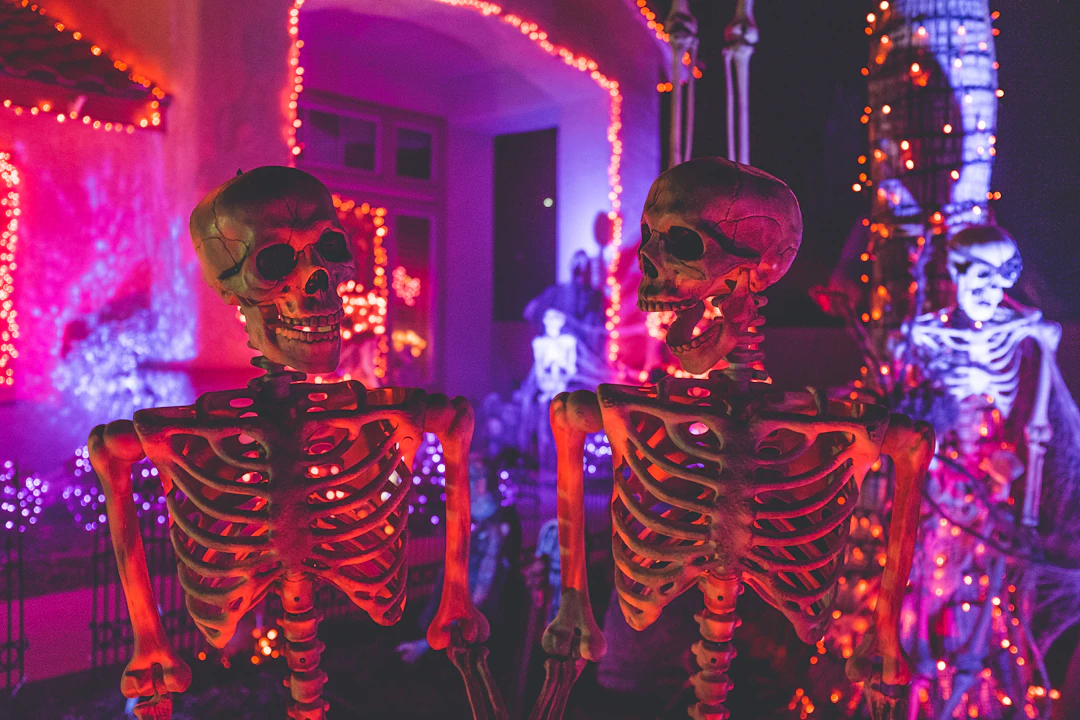
A month from now, Oaxaca will glow. Across the valley, families will spend weeks building ofrendas. Marigolds, candles, pan de muerto, photographs. And on the night of November 1st into the 2nd, they will keep all-night vigils beside the graves of the people they love. Día de Muertos is not Mexico’s Halloween. It is older (3,000 years), deeper (a reunion, not a fright). And — since 2008 — UNESCO-listed. With five weeks to go, this is the trip guide: the dates, the cemeteries, the parades. And how to be a guest rather than a spectacle.
From the press box — Elena Marsh: Dates and rituals via Go Oaxaca, Monte Albán Heritage Center, Britannica. CDMX parade and Mixquic via TravelAgeWest/GetYourGuide. Phoenix–Oaxaca seasonal flight via Arizona Daily Star (Aug 13). Cultural guide — final municipal programmes publish closer to the date; verify locally.
The dates: Oct 31 to Nov 2
The spiritual calendar is precise. Oct 31 — Día de los Angelitos: the spirits of children return first; cemetery visits begin in the evening. Nov 1 — All Saints’ Day: adult souls are welcomed, ofrendas stand complete, neighbourhoods hold their liveliest comparsas. And the night of Nov 1 into Nov 2 is the peak, families keeping vigil at gravesides until dawn. Nov 2 — Día de los Muertos proper: visits continue, farewells begin. In Oaxaca the celebration breathes wider than the dates: markets, altar-building and sand tapestries fill the last week of October. And the city’s energy doesn’t fully settle until Nov 3–4. Plan five days — Oct 30 to Nov 3 — and you catch all of it.
discover our 375 monsoon captions and quotes for instagram to make rainy guide · discover our ai travel agents 2026 guide · discover our automne 2026 saison reine du slow travel guide
The cemeteries: Xoxocotlán and San Felipe
Cemetery nights are the heart of it. Go quietly, go with a guide, go late. Xoxocotlán (the larger, newer cemetery) holds most of the activity: thousands of candles, brass bands threading the paths, families talking to their dead like they’re at the table. San Felipe del Agua, fifteen minutes from the city, is the intimate alternative. Food stalls at the gate, easier to reach, easier to be still in. The Panteón General in the city and the valley towns (Etla’s muerteadas run into mid-November) complete the map. Rules that matter: voices low, no posing on graves, ask before photographing people. And understand that you are inside someone else’s family reunion. The celebratory side has its own venues — which brings us to the streets.
The streets: comparsas, markets, Mitla
Comparsas — neighbourhood parades of music, dance and giant puppets. Are where visitors belong most naturally. The Comparsa de Jalatlaco on the night of Nov 1–2 is the essential one. Zaachila, the Zapotec “Place of the Dead,” adds archaeology to the observance. Mitla after dark on Nov 1 pairs the geometric stone mosaics with the valley’s most atmospheric night. Days belong to the markets: cempasúchil by the armful, pan de muerto, copal, candles, fruit. And the historic centre’s ofrendas, tapetes de arena blooming across plazas. In Mexico City, the Gran Desfile (the Great Parade, a recent but now-huge addition) and Mixquic’s all-night vigil offer the capital’s version. Five-day sketch: Oct 31 comparsa + quiet cemetery. Nov 1 Tlacolula market → Mitla by night. Nov 2 Jalatlaco and Xochimilco by day, Panteón General and a comparsa by night. Nov 3 Santo Domingo, a cooking class, one last altar walk.
The table: what to eat
Food is not decoration around Día de Muertos. It is how the living keep caring for the dead, the same dishes laid on altars and shared at tables. Pan de muerto (the orange-blossom bread) is everywhere. pan de yema, mole negro, chocolate de agua, tamales and atole fill the markets. Marigold petals edge the plates. Eat what the ofrendas eat. Skip the imported party menus; follow the queues of Oaxacan families. And note for the practical-minded: this is a walking, standing, late-night trip. Comfortable shoes, a light layer for valley nights. And cash for market stalls.
Beyond Oaxaca: Pátzcuaro, Mixquic and the capital
Oaxaca is the deepest experience, not the only one. Pátzcuaro and the island of Janitzio in Michoacán stage the country’s most photographed vigil. Fishermen’s butterfly nets on the night water, candles ringing the island cemetery, a whole town awake. It is stunning and, precisely because of that, crowded: arrive a day early, stay on the island if you can. And accept the crowds as part of the rite. Mixquic, south of Mexico City, keeps the most traditional capital-region observance. The Alumbrada, when thousands of candles light the cemetery at once, is one of the great sights of the Mexican year. And Mexico City’s Gran Desfile (the mega-parade down Reforma, a recent invention now unmissable) plus the Zócalo’s monumental ofrenda give the ten-million-strong capital its own way in. The classic two-centre trip. four nights Oaxaca, two nights CDMX — covers depth and scale. Reverse it if the parade dates dictate. Either way, book intercity transport now: the days around Nov 1–2 sell out.
Booking now: flights, stays, respect
Oaxaca does not do improvisation in Muertos week: streets close without warning, late-night transport from surrounding villages is hard to find, and stays sell out. Book accommodation and a guided cemetery night now. Confirm comparsa routes with your hotel or a local guide on arrival (the final official programme publishes closer to the date). New this year: a seasonal Phoenix–Oaxaca flight for Day of the Dead (announced August), widening North American access. The deeper booking is behavioural: catrina face paint is welcome at street celebrations but not at intimate vigils. Photographs of altars are usually fine, photographs of grieving strangers are not. Love, as the Oaxacans say, does not end with death. And neither should manners.