Harvest Moon Week: Full Moon Sept 26, Saturn Conjunction, Neptune Opposition
Sept 21: The Harvest Moon peaks Sept 26 (16:49 UTC) — then the Moon meets Saturn Sept 27 and Neptune hits opposition Sept 26.
Key takeaways
- Harvest Moon peaks Sept 26, 16:49 UTC — the full moon nearest the autumn equinox, rising near sunset for consecutive golden evenings.
- Stargazing week: Neptune at opposition Sept 26, Moon-Saturn conjunction Sept 27, equilux (equal light/dark) Sept 25.
- Aurora season is open and equinox-boosted; combine moonrise evenings with dark-sky nights after moonset for the full noctourism week.
The equinox (September 23, 00:05 UTC) turns the key; the Harvest Moon opens the door. On September 26 at 16:49 UTC the full moon nearest the equinox rises — big, golden, and early, climbing near sunset for several evenings in a row. Around it clusters a rare week: Neptune at opposition, the Moon brushing Saturn, the equilux balancing light and dark. This is noctourism’s flagship week — here is how to watch it, where to stand, and how to shoot it on a phone.
From the field — Elena Marsh: Sky data via timeanddate (Sept 2026 sky guide), Royal Observatory Greenwich night-sky highlights, EarthSky equinox explainer and Denver Astronomical Society week notes. Companion pieces: autumn equinox guide and smartphone photo kit.
The Harvest Moon: Sept 26, 16:49 UTC
The Harvest Moon is the full moon nearest the autumn equinox — historically the light that let farmers work late bringing in crops. Its trick is geometry: near the equinox the moon’s path runs shallow to the horizon, so it rises near sunset several evenings running, each moonrise only ~25-30 minutes later than the last (vs the usual ~50). Result: a week of golden moonrises, not one night.
Best viewing needs no equipment and no darkness — in fact moonrise is the show. Face east 10 minutes before local moonrise (check timeanddate for your city), pick a low horizon (sea, plain, lake), and watch the disc swell orange through the haze before climbing white. September 25, 26 and 27 all deliver; the 26th is exact full at 16:49 UTC. City viewers: rooftops, bridges and riverside embankments beat streets. The moon near the horizon looks bigger (the moon illusion) and photographs bigger — foreground silhouettes (trees, towers, ridgelines) complete it.
discover our 375 monsoon captions and quotes for instagram to make rainy guide · discover our ai travel agents 2026 guide · discover our automne 2026 saison reine du slow travel guide
The supporting cast: Saturn, Neptune, equilux
September 26 — Neptune at opposition. The most distant planet sits opposite the sun: closest, brightest and up all night. Magnitude ~7.8 keeps it a telescope/binocular target (no naked-eye show), but opposition week is when clubs point their big scopes at the blue disc — join a public observing night rather than hunting alone.
September 27 — Moon meets Saturn. The nearly-full Moon appears close to Saturn in the night sky (Royal Observatory Greenwich highlight). Saturn’s rings, near edge-on in this era, are a subtle line even in small scopes — but the pairing is naked-eye lovely: find the bright Moon, look beside it for the steady golden point that doesn’t twinkle.
September 25 — the equilux. Equal hours of light and dark (the equinox itself isn’t exactly 12/12 — atmospheric refraction bends the maths). Mark it the way Greenwich suggests: note your local sunrise/sunset and stand outside for both. After the equilux, nights outrun days until March — stargazing season officially opens.
Earlier in the month the Moon visited the Beehive Cluster (Sept 8, per ROG) — if you missed it, the Saturn conjunction is your second chance at a Moon-plus-deep-sky pairing.
Where to stand: Europe’s dark-sky week
Moonrise evenings work anywhere with an eastern horizon; the deep-sky nights need darkness. Europe’s certified options:
- Pic du Midi, Pyrenees (France): high-altitude reserve, guided nights, Saturn through historic refractors.
- La Palma, Canaries (Spain): the northern hemisphere’s reference sky — Roque de los Muchachos viewpoints, astro-miradors with panels.
- Extremadura & Sierra Morena (Spain): Starlight reserves, dehesa horizons, village casas rurales priced for September.
- Rhön & Eifel (Germany): Dark Sky parks with naked-eye Milky Way on moonless hours after moonset.
- Kerry (Ireland): Gold-tier reserve, Atlantic horizons for moonrise over water.
- Tromsø & Senja (Norway): the full-week play — Harvest Moon over fjords, then equinox-boosted auroras after moonset (see our Norway autumn guide).
Tactic for the week: moonrise evenings Sept 25-27 (bright sky, moon show), then post-moonset hours (after ~2am, or the moon-free window before moonrise) for Milky Way, Saturn and — at northern latitudes — aurora. One location serves both if it has an eastern horizon and dark zenith.
Aurora bonus: the season is open
September auroras run on the equinox effect — geomagnetic activity statistically enhanced for weeks around the equinox (Journal of Geophysical Research; Norwegian Space Agency’s Pål Brekke). From mid-September, northern nights are dark enough, and late September/early October historically delivers some of the year’s strongest displays. The Moon interferes near full (Sept 26) — plan aurora hunting for the moon-free hours or the nights of Sept 22-24 and 28-30. Apps: check the real-time oval, then look north from anywhere dark past 22:00. Tromsø locals swear by autumn over midwinter: milder nights, mirror-calm fjords, no polar-night fatigue.
Shoot it on a phone
From our smartphone photo kit, the moon-specific settings:
- Moonrise (25-27th): arrive early, frame foreground first (tower, tree, ridge). Tap-hold to lock focus/exposure on the moon, then drag exposure down until craters show — phones overexpose the disc by default.
- Moon-Saturn (27th): night mode on tripod (or braced on a wall), 3-10s, widest lens; Saturn will be a small dot — the composition is the pairing, not the planet.
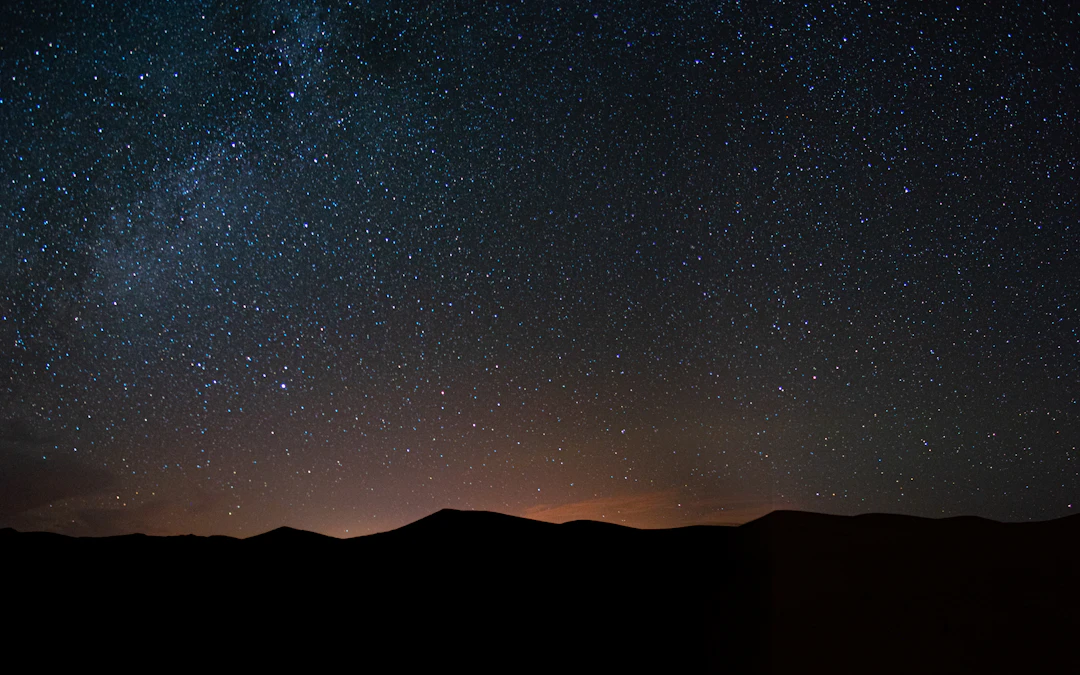
- Milky Way (post-moonset): darkest direction, 10-30s stacked night mode, self-timer to avoid shake, red torch to keep night vision.
- General: shoot RAW if your phone allows, clean the lens (moon shots punish smudges), and dress warmer than the forecast — September nights at altitude bite.
The week’s calendar
| Date | Event | How |
|---|---|---|
| Sept 23, 00:05 UTC | September equinox | Note sunset shifting; season turns |
| Sept 25 | Equilux | Sunrise + sunset watch, equal day |
| Sept 25-27 | Harvest moonrises | East horizon, 10 min early, foreground ready |
| Sept 26, 16:49 UTC | Full Harvest Moon | Exact full; brightest night |
| Sept 26 | Neptune opposition | Join a club scope night |
| Sept 27 | Moon-Saturn | Naked-eye pairing after dark |
One week, four events, zero tickets, infinite sky. The Harvest Moon rises whether you watch or not — but you’ll remember the evening you did.