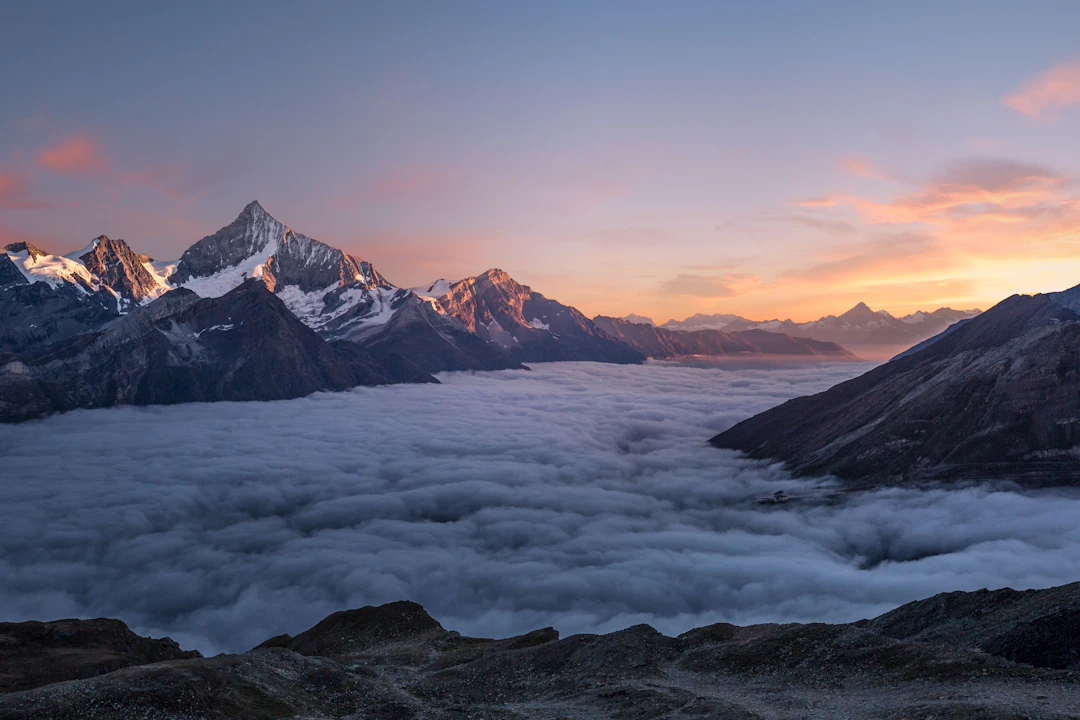
10 Magical Train Journeys Worth Taking in 2026
Discover 10 magical train journeys worth taking in 2026. From quiet mountain passes to coastal routes, find your perfect slow-travel experience today.
10 Magical Train Journeys Worth Taking in 2026
There is a specific, quiet power in watching the world shift from a moving window. As we move into 2026, the demand for magical train journeys worth taking has reached an all-time high. Travelers are increasingly turning away from the frantic pace of short-haul flights to embrace the rhythmic, contemplative nature of rail travel. Whether you are seeking a silent retreat or a landscape that changes with every kilometer, these routes offer a profound way to reconnect with the world.
Why set-jetting is reshaping how readers choose these routes in 2026
The phenomenon of “set-jetting”—traveling to locations featured in films or high-end streaming series—is changing how we perceive rail travel. In 2026, travelers are no longer just looking for a commute. They are looking for a backdrop. This trend has pushed many to seek out vintage locomotives and routes that appear in cinema, effectively turning the train car into a stage for their own personal narrative. This shift toward cinematic travel highlights a desire for aesthetic beauty and a sense of belonging to a larger story. By choosing routes that feel like a scene from a classic film, you aren’t just moving between two points. You are entering a space where time seems to slow down. This is the essence of the slow travel movement, where the experience of the journey is prioritized over the speed of arrival.
Related read: What to do on a long airport layover: 10 essential tips for 2026.
✨ True magic in travel isn’t found in the arrival, but in the rhythmic, quiet passage of landscapes through a window pane.
The practical breakdown: 8 essential tips for your rail excursion
- Always book your window seats at least 90 days in advance to ensure unobstructed views.
- Carry a secondary battery pack; many older carriages lack reliable charging ports.
- Research the orientation of the sun on your route to avoid glare in your photos.
- Pack a curated “silent kit” including noise-canceling headphones and a digital-free journal.
- Use regional rail passes (like the Eurail or JR Pass) to save up to 40% on costs.
- Select mid-week departure times to avoid the weekend rush and secure a quieter carriage.
- Check for “quiet cars” or silent zones when booking your seat online.
- Bring your own high-quality tea or coffee supplies, as onboard catering can be limited.
Related read: Best Travel Credit Cards with No Foreign Fees 2026: 7 Quiet Picks Under $100 [0 FX, No Annual Fee].
Comparing the world’s most scenic rail experiences
📖 See also: Biarritz Travel Guide
| Route Name | Duration | Primary Appeal | Cost Estimate (USD) |
|---|---|---|---|
| West Highland Line | 5.5 Hours | Dramatic Moorlands | $65 |
| Flåm Railway | 2 Hours | Fjord Landscapes | $95 |
| Glacier Express | 8 Hours | Alpine Peaks | $180 |
| Ella Odyssey | 6 Hours | Tea Plantations | $45 |
💡 Pro tip: Always check the local weather forecast 24 hours before departure. Even in summer, high-altitude mountain routes can experience sudden, thick fog that obscures the view.
Navigating common pitfalls in modern rail travel

One common misconception is that all “scenic” trains are luxury experiences. Many of the most beautiful routes are actually local commuter trains. Do not overpay for “tourist class” when a standard ticket often offers the exact same window view. Another pitfall is the “checklist trap.” Travelers often try to fit too many train journeys into a single trip. This leads to burnout. Instead, aim for one major route per week. Finally, ignore the advice to bring excessive luggage. Space on trains is premium. A single, carry-on-sized bag will make your journey big more manageable and peaceful.
Budgeting for your 2026 rail adventure
When calculating your costs, consider the difference between a direct ticket and a rail pass. As of 2026, a standard rail pass for one month in Europe costs about $450. This covers most major routes. However, if you are focusing on a specific region, such as the Japanese countryside, a localized pass might drop your daily transit cost to under $30. Always set aside a “comfort fund” of $20 per day for station-side tea houses or local bakery finds to keep your energy high without needing full-service dining cars.
A real-world itinerary: The 3-day Alpine circuit
📖 See also: Rocamadour Travel Guide
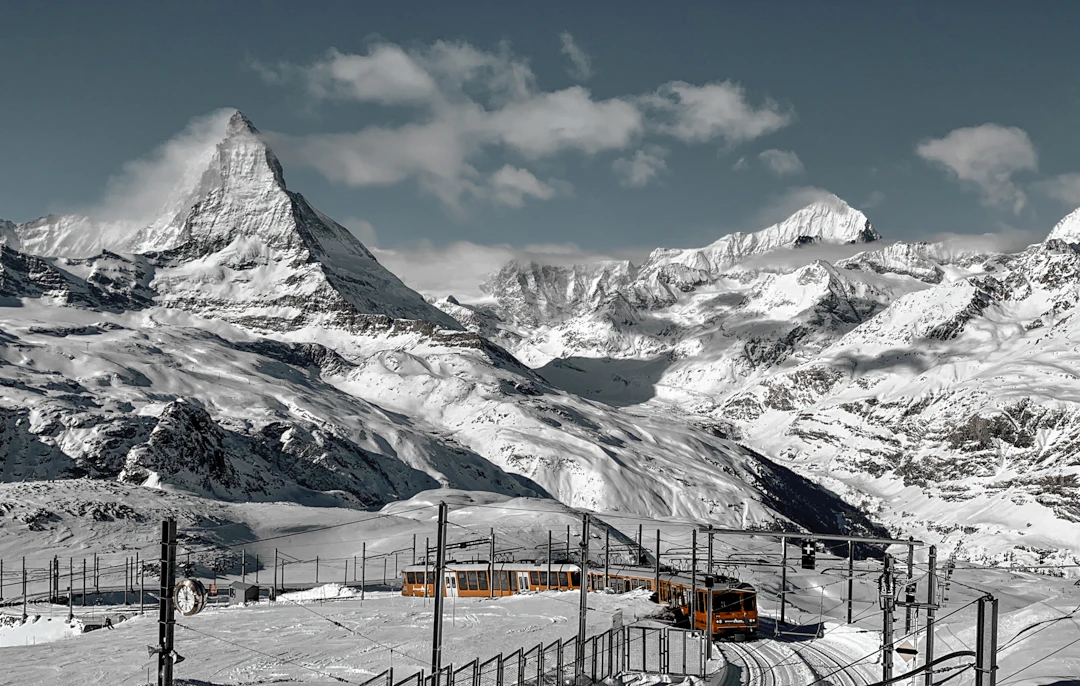
For those looking for a perfect long weekend, start in Zurich. On Day 1, take the morning train toward Chur. Spend the afternoon wandering the quiet, cobblestone streets of the old town. On Day 2, board the Glacier Express for a full-day traverse of the most dramatic mountain passes in Europe. Finally, on Day 3, disembark in Zermatt, where the lack of cars creates a uniquely serene atmosphere. This itinerary minimizes travel stress and maximizes time spent in nature.
Expert perspectives on the psychology of travel
Research in Situated Cognition and the Culture of Learning suggests that our environment fundamentally shapes our ability to process information and reflect on our experiences. When we move through space at the speed of a train, our brains are better able to categorize the passing landscapes, leading to a higher sense of satisfaction. As noted in Sketching User Experiences, the design of our travel environment dictates our behavior. A well-organized, quiet train cabin allows for a flow state that is impossible to achieve in the cramped, high-anxiety environment of an airport terminal. These academic insights confirm that choosing rail is not just an aesthetic preference. It is a psychological upgrade to your travel health.
The role of digital disconnection in 2026

In 2026, the rise of “jomo” (the joy of missing out) is influencing how we travel. By choosing routes with limited cellular connectivity, you are essentially buying time for yourself. Many of the world’s most beautiful train routes pass through deep valleys and dense forests where the signal drops, offering a natural barrier against the digital world. Embrace this. Use the time to observe the subtle shifts in vegetation or the architecture of small, remote villages that you would otherwise never see from a highway or a flight path.
📍 Local insight: In the Scottish Highlands, the local population often uses the train for their daily errands. Sitting in the rear carriage often gives the most authentic view of the local life, away from the tourists focused solely on the front of the train.
Expanding your horizons: Beyond the main tracks
📖 See also: Marseille Travel Guide
To truly find the most peaceful places on earth, you must look for the “spur lines.” These are the branch lines that serve smaller, regional communities. They are rarely advertised in international guidebooks. Yet they often pass through the most pristine, crowd-free landscapes. In 2026, these are the true hidden gems. Research regional rail maps using government-run transit websites to find these routes. They are often cheaper, quieter. And offer a much more intimate glimpse into the local way of life than the famous transcontinental routes.
⚠️ Heads up: Always verify the status of regional lines on the official national rail website, as seasonal maintenance can shut down smaller tracks without prior notice in the general media.
Editor’s verdict
For the discerning traveler, the best train journey is the one that prioritizes silence and landscape over convenience. We highly recommend the West Highland Line in Scotland for its unparalleled natural beauty and the opportunity to experience true, rugged wilderness from the comfort of a heated carriage.
📝 Editor’s note
At GlobalSilentWalks, we prioritize the rhythm of the journey over the efficiency of the destination. This guide is curated for those seeking stillness in a world that rarely stops moving.
Final considerations for your journey
As you finalize your plans, remember that the most magical moments often happen in the quiet transitions between stations. Keep your camera ready, but don’t forget to put it down. The memory of the light hitting a mountain peak is often more potent than the digital file saved on your drive. For more in-depth planning resources, visit our GlobalSilentWalks planning hub, where we curate silent, sustainable. And deeply rewarding travel itineraries for the modern, mindful traveler. We are here to help you turn your next trip into a transformative experience.
Sources consulted: UN Tourism (UNWTO) (global tourism trends and standards), Wikipedia (historical and encyclopaedic context) and National Geographic Travel (in-depth destination features).
- Why choose magical train journeys over flights?
- Train journeys offer a lower carbon footprint and allow you to appreciate the changing geography, turning the transit into a core part of your holiday experience.
- How to find magical train journeys on a budget?
- Book at least 90 days in advance, look for regional rail passes instead of point-to-point tickets, and prioritize off-peak travel seasons.
- Is a magical train journey worth it for solo travelers?
- Absolutely. Trains give a safe, solitary, and contemplative space perfect for solo travelers to journal, read, or enjoy the scenery without the stress of driving.
- What are the best places for magical train journeys in 2026?
- We recommend the highlands of Scotland, the coastal routes of Norway, the high-altitude passes in the Swiss Alps, and the lush tea plantations of Sri Lanka.
- When is the best time for these journeys?
- Shoulder seasons like May and September offer the best balance of manageable crowds, pleasant weather, and stunning natural light for photography.
Plan Your Trip & Start Walking
Ready to slow down in 10 Magical Train Journeys Worth Taking in 2026? Bookmark this guide, pick the silent walk that calls to you. And let the city reveal itself one quiet step at a time.