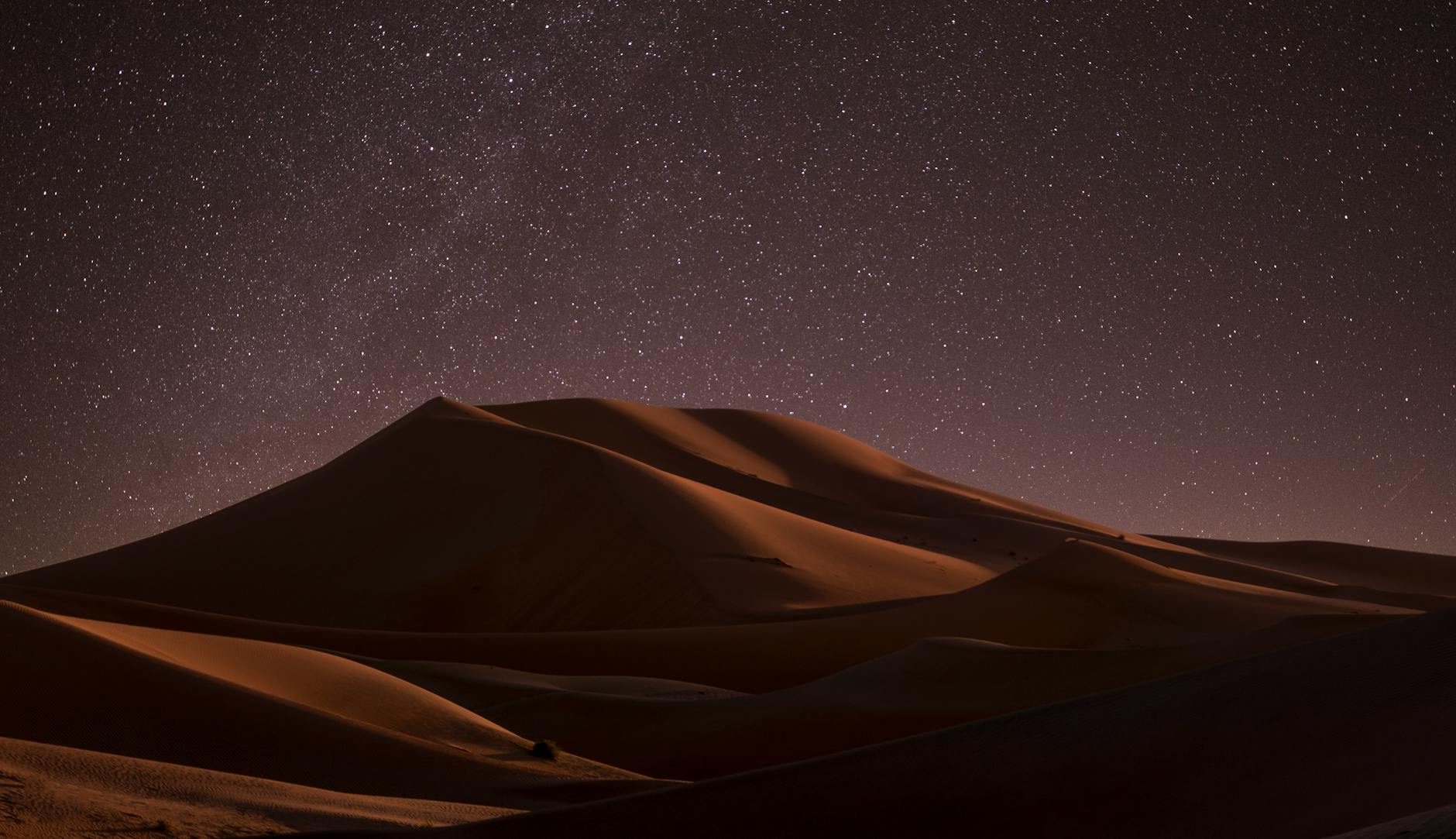
Noctourism 2026: Best Stargazing Destinations Around the World
Discover noctourism 2026 — the rise of night travel. Best stargazing destinations, dark sky parks, nocturnal wildlife tours, and night photography tips.
Noctourism 2026: Best Stargazing Destinations Around the World
Noctourism is the art of travelling at night. It’s one of the fastest-growing travel trends of 2026, driven by light pollution in cities, the rise of astrophotography on social media, and a growing desire for quiet, contemplative travel experiences.
Here are the best noctourism destinations for 2026.
1. Atacama Desert, Chile
The driest non-polar desert on Earth and home to the clearest skies on the planet. The Atacama has over 300 cloudless nights per year and virtually zero light pollution.
Stay: San Pedro de Atacama (town with €50-300/night accommodation). Join an astronomy tour with ALMA Observatory (free but books months ahead).
2. Jasper Dark Sky Preserve, Canada
The largest accessible dark sky preserve in the world (11,000 km²). Jasper National Park hosts an annual Dark Sky Festival in October. Northern lights visible September-April.
Stay: Jasper townsite with lodges from €100/night. Summer offers Wildlife in the Dark tours.
3. La Palma, Canary Islands, Spain
Roque de los Muchachos Observatory sits at 2,400 metres above the clouds. La Palma is a UNESCO Starlight Reserve with strict light pollution laws. The night sky here is protected by law.
Stay: Santa Cruz de La Palma (€60-150/night). Drive to the observatory viewpoint (free). Book observatory tours in advance.
4. Aoraki Mackenzie, New Zealand
The only UNESCO Dark Sky Reserve in the Southern Hemisphere. The 4,300 km² reserve includes Aoraki/Mount Cook and the Mackenzie Basin. Best views of the Milky Way and Magellanic Clouds.
Stay: Mount Cook Village (€80-200/night). Stargazing tours from €40 per person.
5. Møn Island, Denmark
Europe’s first dark sky park and easily accessible from Copenhagen. Møn Klint, the island’s chalk cliffs, offer spectacular night sky views. It’s a coolcation destination too — summer averages 18-22°C.
Stay: Møn has guesthouses from €80/night. Ferry from Copenhagen (2 hours) or drive.
6. NamibRand Nature Reserve, Namibia
One of Africa’s only International Dark Sky Reserves. The Namib Desert offers clear skies, remote lodges, and unique nocturnal wildlife. Summer (November-March) offers the best stargazing.
Stay: Luxury eco-lodges from €200/night (full board). Guided night drives to see aardvarks, porcupines, and genet cats.
7. Galloway Forest Park, Scotland
The UK’s first dark sky park. Galloway offers clear skies, accessible by train from Glasgow (2 hours), and the chance to see aurora borealis from March-September.
Stay: Self-catering cottages from €70/night. Camping permitted at designated sites.
8. Bortle Class 1: The World’s Darkest Skies
For serious astrotourists, the Bortle scale measures sky quality — Class 1 is the darkest. Locations include:
- Atacama Desert, Chile — Bortle 1
- Mauna Kea, Hawaii — Bortle 1 (4,200m altitude)
- Tenerife, Canary Islands — Bortle 1 (Teide National Park)
- Cherry Springs State Park, Pennsylvania — Bortle 2
How to Plan a Noctourism Trip
- Check the lunar calendar — New moon = best stargazing. Full moon = worst
- Book around aurora season — September-April for northern hemisphere
- Download stargazing apps — SkyView (free), Stellarium (free), Star Walk 2 (€3). Our Coolcation Planning Toolkit has more app recommendations.
- Pack for night conditions — Warm layers even in summer, headlamp with red light (preserves night vision), tripod for night photography
- Book a guided tour — Local guides know the best spots and can operate telescopes
Night Photography Tips
- Use a tripod (essential for long exposures)
- Set your camera to manual mode: f/2.8 or wider, 15-30 second exposure, ISO 3200-6400
- Focus to infinity (tap the screen and pull focus to full)
- Use the 500 rule: 500 ÷ focal length = max exposure seconds before star trails appear
Plan Your Noctourism Trip
Browse our resources section for stargazing apps, night photography guides, and dark sky park directories. For a combined coolcation-noctourism trip, explore our Norway Fjords guide — midnight sun in summer, aurora in winter.
Last updated: July 2026 · Source data from International Dark-Sky Association.