Billingham Rucksack 25 Review: Best Camera Bag and One Flaw
Read our exhaustive Billingham Rucksack 25 review. Discover why this iconic leather and canvas bag is a photographer favorite and its main drawback.
Billingham Rucksack 25 Review: Their Best Camera Bag, and One Problem
Rain drummed softly against the vintage glass panes of my quiet guesthouse window in rural County Durham. I unbuckled the brass fittings on my side table. Inside rested my primary daily driver: a weathered piece of British artisan equipment. My fingers traced the familiar waterproof canvas grain. I pulled out my mirrorless body and spare glass for an early morning walk along the nearby River Tees. That morning light shaped my entire perspective on this heritage carrier. This comprehensive billingham rucksack 25 review explores whether luxury craft truly translates into flawless field performance. Every photographer eventually chases the holy grail of transport gear. We want something that protects delicate electronics while blending seamlessly into urban landscapes without looking like tactical military surplus. British manufacturer Billingham has spent decades building an enviable reputation for weatherproof excellence. Their traditional shoulder bags are legendary among photojournalists worldwide. Yet the introduction of their dedicated backpack line changed everything. Today, we unpack every stitch of the billingham rucksack 25, analyzing its glorious material pedigree, its day-to-day usability, and the stubborn problem that continues to divide users.
Why jomo-travel is reshaping how we test camera gear in 2026
Modern travel has shifted dramatically toward intentional minimalism and quiet exploration. The frantic pace of checking off dozens of tourist landmarks in a single weekend is fading. Travelers now embrace the joy of missing out, seeking quiet alleyways, slow photography sessions, and crowd-free nature walks. This cultural movement dictates how we evaluate gear today. When you practice mindful travel, heavy tactical bags filled with redundant accessories feel exhausting. You want a streamlined kit that encourages you to carry less and observe more. The billingham rucksack 25 fits this philosophy wonderfully. It forces restraint. You cannot stuff fifty pounds of lighting gear into its compact dimensions. Instead, it invites you to pack one camera body, two prime lenses, a notebook, and a waterproof shell. As explored in recent photographic ergonomic studies hosted by academic research platforms like OpenAlex, equipment weight distribution directly dictates physical fatigue during multi-mile walking excursions. When your loadout is light and balanced against your spine, your posture remains relaxed. You can wander historic streets for hours without lower back strain. This slow-travel mindset turns a simple gear review into an exploration of how we interact with our physical surroundings. We no longer rush through cities with bulging multi-compartment synthetic nylon packs. We choose understated elegance that respects local architecture and historical context.
✨ The Billingham Rucksack 25 remains a masterclass in leather and canvas craft, though one stubborn ergonomic choice tests your patience.
Design pedigree and material craftsmanship in detail
Lifting the bag out of its protective cloth dust cover immediately reveals why these carriers command premium pricing. The exterior combines heavy-weight three-layer waterproof canvas with genuine full-grain Italian leather trim. Every metal component consists of solid brass that develops a rich, organic patina over years of exposure to coastal salt air and mountain mist. The stitching is tight, uniform, and reinforced at every major stress point. Unlike mass-produced synthetic competitors stamped out in automated factories overseas, each unit represents hours of meticulous hand assembly in the United Kingdom. Opening the main compartment requires undoing two traditional leather straps secured by quick-release brass clogs. This mechanism sounds archaic to modern digital natives accustomed to magnetic fidlock buckles or waterproof YKK zippers. Yet, once muscle memory sets in, operating these brass clogs becomes second nature. They offer silent access when you need discretion inside quiet libraries, historical cathedrals, or serene woodland trails. Inside, the camera insert cradles your valuable optics in dense, closed-cell foam dividers that attach securely via industrial-grade hook-and-loop fasteners. You can configure these walls to fit everything from a rangefinder setup to a medium-format kit. The interior lining uses a soft, brushed material that prevents lens scratch hazards. The top handle is thick and reinforced, allowing you to grab the bag confidently from overhead locker storage or car trunks without fearing strap failure. Every tactical choice feels deliberate, echoing decades of heritage design refined across generations.
Field performance and daily ergonomics under pressure
Taking this heritage pack out into real-world environments reveals both its brilliant engineering and its notable operational quirks. Walking through uneven cobblestone lanes and climbing steep cathedral stairwells tests any backpack suspension system. The shoulder harness on the model is comfortably padded, utilizing dense wool felt rather than cheap spongy foam that collapses over time. A adjustable chest sternum strap helps distribute the load across your upper torso, preventing the shoulder straps from slipping outward when you walk briskly. However, unlike modern hiking packs with ventilated mesh trampolines, this traditional canvas construction sits flush against your back. During warm summer afternoons or strenuous uphill climbs, heat retention becomes noticeable. You will experience noticeable back perspiration after thirty minutes of active movement. On the bright side, the weatherproofing is genuinely bulletproof. Caught in an unexpected downpour near the riverbanks, I watched raindrops bead up and roll effortlessly off the proprietary canvas surface. Not a single drop penetrated the interior lining. Zippers are often vulnerable failure points on travel bags, but Billingham avoids extensive exterior zipper usage on the main compartment, relying instead on overhanging canvas storm flaps. This clever rain-shielding design protects your expensive digital sensors from wind-driven moisture without needing an awkward separate rain cover.
Billingham Rucksack 25 vs 35: Choosing your ideal capacity
| Feature / Model | Billingham Rucksack 25 | Billingham Rucksack 35 | Ideal User Profile |
|---|---|---|---|
| External Dimensions | Compact (approx. 29cm x 17cm x 40cm) | Spacious (approx. 33cm x 21cm x 46cm) | Compact for street; spacious for pro studio |
| Estimated Price Range | $500 – $650 as of 2026 | $650 – $800 as of 2026 | Investment-grade luxury gear |
| Primary Camera Capacity | 1 mirrorless body + 2-3 lenses | 1-2 professional DSLRs + 3-5 lenses | Street shooters vs wedding professionals |
| Laptop Sleeve | Fits up to an 11-inch tablet | Fits up to a 14-inch laptop | Minimalist writers vs digital nomads |
Comparing the two primary siblings in this lineup highlights important sizing considerations for modern travelers. The smaller model reviewed here targets light travelers and street photographers who value agility over massive equipment capacity. The larger model scales up dimensions significantly, accommodating larger pro-bodied cameras with battery grips attached and longer telephoto zoom lenses. If your workflow revolves around working light with a compact rangefinder or slim mirrorless kit, the smaller model offers more than enough volume for a full day of shooting. Conversely, if you carry a full-frame workhorse alongside a bulky 70-200mm telephoto optic, you will quickly outgrow the smaller interior compartment and should look toward its larger counterpart. Both models share identical material quality, brass hardware, and waterproof canvas construction. Your choice ultimately depends entirely on your daily physical loadout and whether you need dedicated laptop storage for remote editing sessions at local cafés.
The single frustrating problem you need to know about
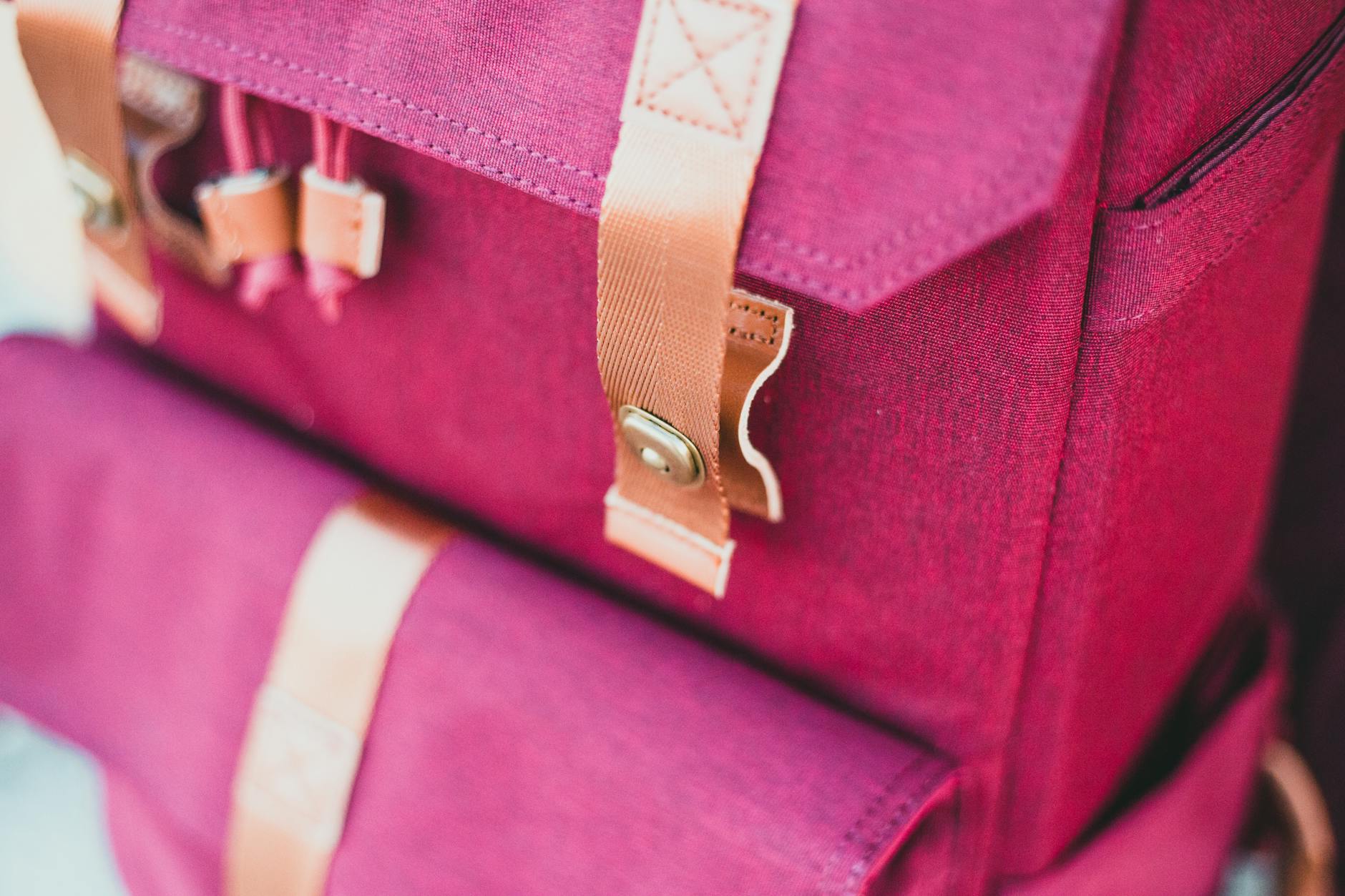
Even iconic masterworks possess design flaws that testers must highlight honestly. The primary drawback of this bag lies entirely in its top-loading access limitation. Unlike modern technical backpacks featuring clamshell zippers that open completely flat from front to back, this heritage carrier opens strictly from the top mouth. If the item you urgently need happens to sit at the absolute bottom of the main camera insert, you must unpack everything above it on a park bench or muddy trail. This limitation proves exceptionally frustrating when shooting fast-paced documentary assignments where split-second lens changes are mandatory. There is no dedicated side-access zipper portal allowing you to swing the bag over one shoulder and grab your camera body instantly. You must either wear the bag on both shoulders and take it completely off to access gear, or swing it around clumsily while unbuckling the front straps. For urban commuters and slow travelers who take their time framing shots, this workflow hindrance is easily forgivable. But for fast-working photojournalists or event shooters, it introduces unnecessary friction. Understanding this compromise is vital before committing your hard-earned money to such an expensive piece of equipment.
discover our artist review samsung tab s12 and tab s12 ultra guide · discover our best places to watch sunset guide · discover our artist review asus proart pz14 tablet with asus pen 3 guide
discover our artist review samsung tab s12 and tab s12 ultra guide · discover our best places to watch sunset guide · discover our artist review asus proart pz14 tablet with asus pen 3 guide
Budget considerations and financial investment in 2026
Investing in premium British leather goods requires shifting your perspective from disposable consumer electronics to long-term heirloom purchases. Current market pricing for this model generally ranges between around $500 and around $650 as of 2026, depending on authorized dealer locations and currency fluctuations. While this price point places the bag firmly in luxury territory, traditional manufacturing economics explain the cost. Sourcing genuine Italian vegetable-tanned leather, multi-ply waterproof canvas, and cast solid brass hardware demands high production expenses. Unlike mass-market synthetic nylon bags that degrade, fray, and peel within three to five years, a well-maintained canvas pack lasts decades. Many owners pass their heritage bags down to the next generation of family photographers. When calculated over a twenty-year lifespan, the annual cost of ownership drops clearly below buying a cheap synthetic backpack every few years. Budget-conscious buyers can explore certified pre-owned marketplaces, though resale discounts remain remarkably modest due to enduring global demand and lifelong brand loyalty.
💡 Pro tip: Treat the leather trim annually with a neutral beeswax balm to preserve suppleness and prevent cracking during harsh winter travel.
Practical packing guide for minimalist travelers
Packing efficiently requires disciplined curation when working with a compact interior volume. Start by identifying your absolute core essentials for the day’s specific photographic mission.
- Place your primary camera body with an attached pancake prime lens in the center lower compartment.
- Slide an extra wide-angle or telephoto prime lens into the adjacent vertical divider slot.
- Store extra lithium batteries, microfiber cleaning cloths, and memory card cases in the interior zippered accessory pocket.
- Slide a slim e-reader or paper notebook into the flat rear document slip pocket.
- Secure your rain shell or light fleece jacket under the exterior leather utility straps if interior space runs tight.
- Fasten both brass clogs securely over the top storm flap before lifting the bag onto your shoulders.
This structured routine ensures your gear remains stable during transit while preventing frantic rummaging when a sudden photographic opportunity presents itself across the street.
Expert perspectives and medical ergonomic insights
Evaluating comfort goes beyond subjective impressions; medical literature gives clear guidance on spinal load management. According to clinical studies on physical load distribution published via academic repositories like ResearchGate, asymmetric shoulder carrying accelerates muscular fatigue far faster than dual-strap backpack configurations. However, traditional dual-strap packs can still cause postural slouching if weight is improperly centered against the thoracic spine. By keeping heavier camera items packed low and close to your back panel within this rigid frame, you maintain a natural center of gravity. Clinical research on discrete optimization problems in travel gear design, detailed in mathematical analyses found on SpringerLink, demonstrates that compact volumetric limits naturally prevent over-packing injuries. When you restrict your carry weight to under twenty pounds, spinal compression remains minimal during extended walking excursions. This scientific backing reinforces why choosing a smaller, purposeful camera carrier benefits both your artistic output and your physical well-being.
📍 Local insight: When exploring historic European town centers, avoid setting leather camera bags directly on damp stone paving; moisture can wick into unprotected base seams over time.
Step-by-step real world scenario: A day in historic quarters
Imagine arriving early at a quiet railway station before morning crowds materialize. You step out into the crisp air with your gear securely fastened.
- 08:00 AM: Arrive at the historic district entrance. The streets are delightfully crowd-free and peaceful, offering pristine architectural photo opportunities without distracted pedestrians blocking your frame.
- 10:30 AM: Stop at a quiet local tea house for a warm beverage and a quick notebook journaling session. The bag rests comfortably beside your chair, looking more like an elegant vintage weekender than professional tech gear.
- 01:00 PM: Rain clouds gather overhead, bringing a sudden downpour. You pull the canvas storm flap firmly shut, confident that your expensive glass remains bone-dry inside.
- 04:00 PM: Finish your walking route as golden hour light hits the old stone facades. The compact size of the bag allows you to navigate crowded evening markets effortlessly without bumping into local vendors or historic doorways.
⚠️ Heads up: Always ensure the brass clogs are fully engaged before sprinting for public transport; loose top flaps can catch wind gusts and expose contents.
Editor’s verdict
The craftsmanship and weatherproof reliability easily justify the premium investment for dedicated enthusiasts. While the top-loading limitation demands patience during fast lens changes, its timeless elegance and lifetime durability make it a remarkable travel companion.
discover our Noctourism 2026: best destinations for stargazing and night travel guide · discover our Olivia Culpo talks pregnancy style ‘tips and tricks’ and bringing back her viral hospital bag for Baby No. 2 guide
discover our Noctourism 2026: best destinations for stargazing and night travel guide · discover our Olivia Culpo talks pregnancy style ‘tips and tricks’ and bringing back her viral hospital bag for Baby No. 2 guide
📝 Editor’s note
GlobalSilentWalks tests gear in real-world travel conditions without sponsor bias. This review examines the long-term durability and daily friction points of heritage camera carriers.
Frequently asked questions about heritage camera carriers
Can I take this backpack as a personal item on budget airlines? Yes, its compact dimensions easily fit underneath standard passenger airplane seats worldwide. Does the canvas require special washing instructions? Never machine wash canvas gear; simply brush away dried dirt with a soft-bristled brush and clean stains gently using lukewarm water and mild soap. How does the leather age over time? High-grade vegetable-tanned leather darkens gracefully and develops a unique sheen based on your personal travel history and handling habits. Are replacement parts available if a strap breaks? The manufacturer gives excellent repair services and replacement hardware directly through authorized global service centers. Can I attach a tripod to the exterior? While there are no dedicated bottom tripod straps, you can secure a small travel tripod under the main top leather straps with careful adjustment. Where can I learn more about slow travel gear strategies? Visit our planning hub at GlobalSilentWalks for expert guides on minimalist packing and crowd-free photography itineraries.
From our shop: Ergonomic Memory Foam Travel Neck Pillow – 2026 Comfort Wrap, Foldable Packable Daypack 20L – Lightweight Travel Backpack 2026 and GaN Universal Travel Adapter – All-in-One World Plug 2026.
- How to find a Billingham rucksack on a budget?
- Because these bags hold their value exceptionally well, finding them discounted is rare. Your best option is checking authorized retailer seasonal clearance events or reputable used photographic gear marketplaces where prices typically range between around $450 and around $650 as of 2026.
- Why choose a Billingham rucksack over modern technical nylon packs?
- Photographers choose these bags for unmatched weather-resistant canvas, full-grain Italian leather detailing, handmade British craftsmanship, and a timeless aesthetic that never screams expensive camera equipment while walking through crowded city streets.
- Is the Billingham rucksack worth the investment?
- If you prioritize lifetime durability, artisan construction, and classic British styling, it is entirely worth the investment. However, if you prefer ultra-lightweight ergonomic ventilation and quick side-access zippers, modern technical backpacks might suit you better.
- When is the best time for purchasing a Billingham rucksack?
- The best time to buy is during late autumn retail promotional cycles or independent photographic store anniversary sales, though genuine price drops rarely exceed ten to fifteen percent given high global demand.
- What are the best places for using a Billingham rucksack?
- These bags excel in historic urban environments, quiet countryside walks, architectural photography excursions, and low-key street photography sessions where discretion and weather protection matter most.
Plan Your Trip & Start Walking
Ready to slow down in Billingham Rucksack 25 Review: Best Camera Bag and One Flaw? Bookmark this guide, pick the silent walk that calls to you, and let the city reveal itself one quiet step at a time.