Your Ultimate FIFA World Cup 2026 Travel Guide: Tickets, Hotels, & Transit
Planning your FIFA World Cup 2026 adventure? This comprehensive guide covers tickets, hotels, and transport across North America for a seamless travel experi...
Your FIFA World Cup 2026 Travel Guide: Tickets, Hotels and Getting Around
The World Cup has never been spread this wide. Canada, Mexico and the United States host together, with 48 teams instead of 32 and 104 matches across 16 cities, from Vancouver to Kansas City to Monterrey.
If you follow one team, you may end up crossing the continent twice. If you are simply going to three or four matches, the practical question is which clusters of stadiums you can reach without spending the whole trip in transit. Either way, the tournament rewards planning: tickets sell in phases, rooms disappear months ahead, and match-day trains sell out on the day.
✨ A World Cup trip is three things: a seat, a bed within reasonable distance of it, and a way to the stadium that doesn’t involve a taxi surge.
What the 2026 Format Means For You
Three countries, sixteen cities, and a knockout round that now starts at 32 teams. Group matches are spread more thinly than in 2022, which is good news: a mid-tier fixture in a smaller host city is easier to get into than a marquee game in New York.
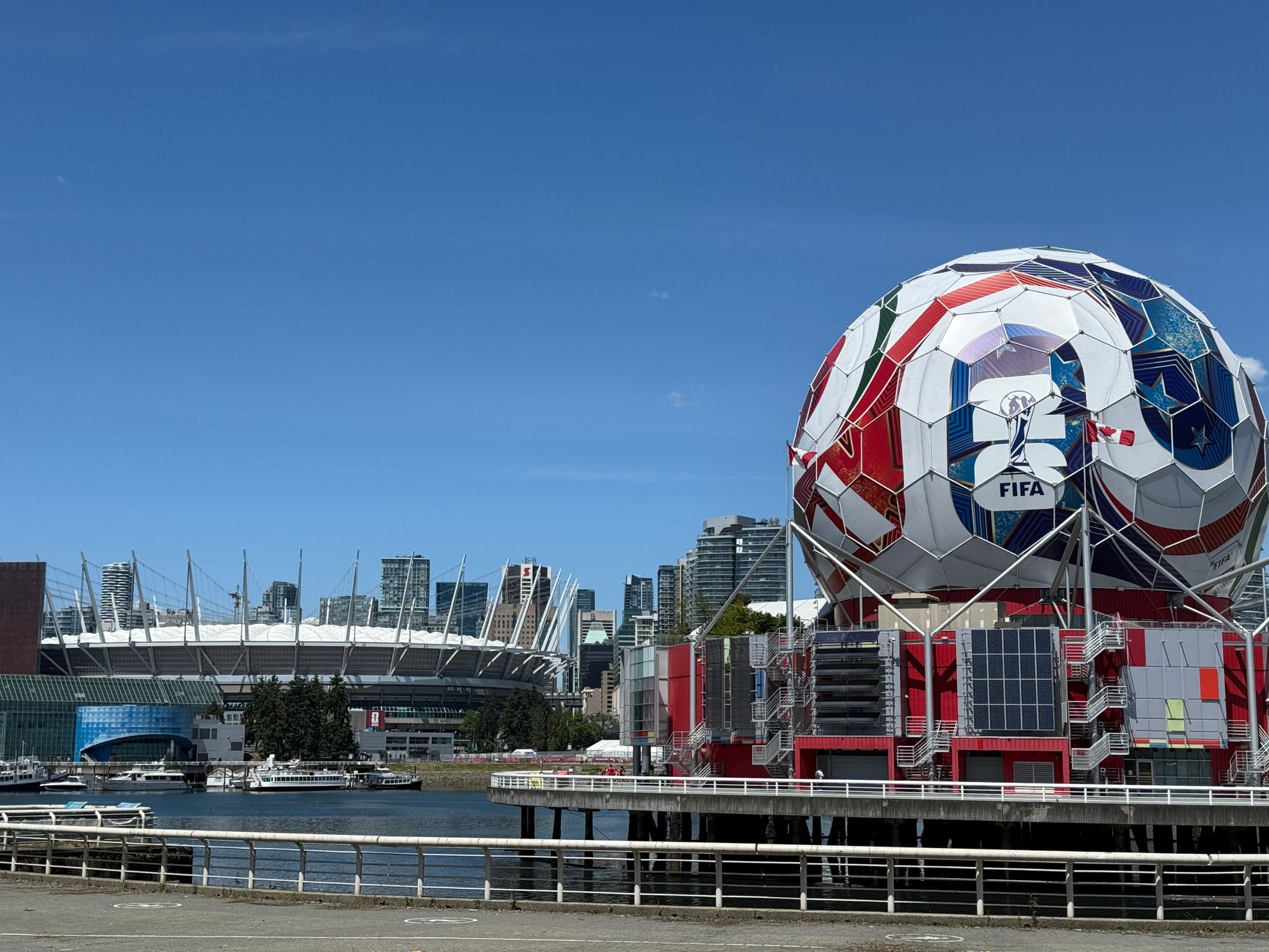
Watch which cities cluster. Vancouver, Seattle and Vancouver’s San Francisco counterpart sit in one region; Toronto, Boston and New York in another; the Dallas and Houston stadiums are a short flight apart rather than a neighbouring pair. Three matches in one region beats six across the map, and it’s the difference between a holiday and a commute.
Related read: World Cup Referee from Somalia Denied Entry to US: What….
Getting Tickets
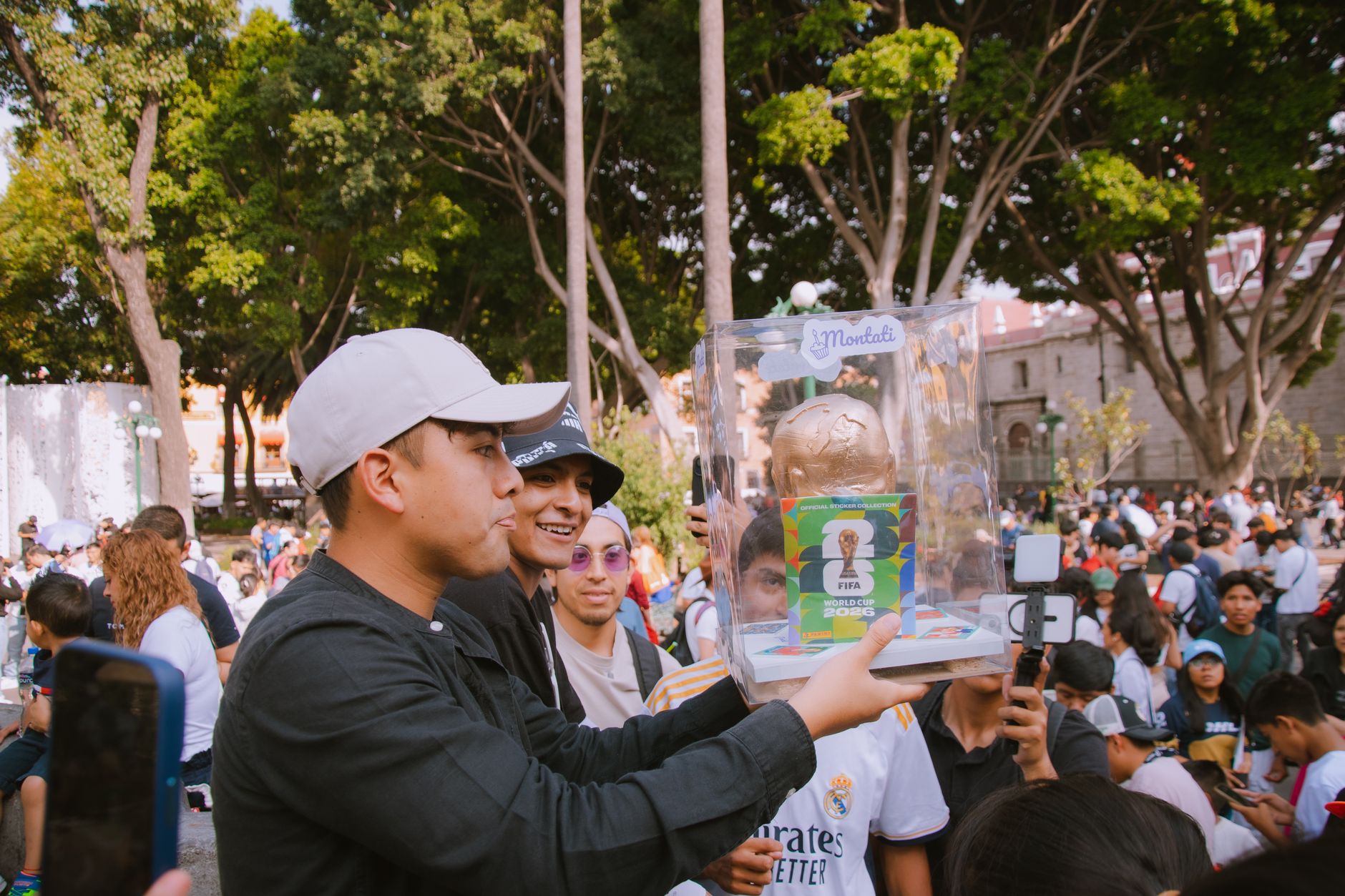
Tickets are the part you can’t fix later. FIFA sells everything through FIFA.com, in phases: an early registration window, then usually a random draw for high-demand matches, then first-come sales, then returns closer to the tournament. Create the account and sign up for the official newsletter before any phase opens, or you will be registering during it.
Related read: YouTube and FIFA Expand World Cup Partnership in 2026.
- Create your FIFA account. Every application, payment and mobile ticket lives there, and you can’t do any of it without the account.
- Note the phase dates. Write them down. Each phase has a real closing time, and it isn’t midnight.
- Understand the categories. Prices follow the view: Category 1 is behind the goal, Category 3 is up in the corners. Accessibility tickets exist and are allocated separately.
- Look at the series products.
Team Seriesfollows one national side through the group stage;Venue Seriesgives you every match at one stadium. Both are usually better value than buying single tickets. - Decide about hospitality. Hospitality guarantees the seat and includes food and lounges, but it is sold through a separate official provider and costs several times more.
- Ignore everything else. If a site isn’t FIFA.com or its named partner, it is either overcharging or selling nothing at all.
- Check the confirmation email. Your mobile ticket and its transfer rules arrive there, and stadium names change in the host countries more often than you’d expect.
- Keep trying after a rejection. Returns and reallocations are normal, and plenty of people get in during the later phases.
💡 Pro tip: If you want calm rather than noise, look at the smaller host cities and the early group games. Demand is lower, prices are lower, and the atmosphere is local rather than corporate.
Where To Sleep
Hotels near stadiums are the first thing to go. Anything inside a two-kilometre radius of a match venue will be booked months ahead at a premium, and the premium does not include a good night’s sleep.
Look instead at residential neighbourhoods fifteen to twenty minutes out on the metro or train line. Vancouver’s Kitsilano and Jericho Beach, Toronto’s residential pockets west of downtown, or a quiet side of Dallas are all reasonable bases with a commute that beats a taxi.
| Accommodation Type | Pros | Cons | Quiet factor (1-5) |
|---|---|---|---|
| Boutique Hotel | Character, personal service, usually stylish | pricier, limited rooms, often away from transport | 4 |
| Short-term Rental | Space, kitchen, a real neighbourhood | variable quality, depends on the host | 3-5 |
| Chain Hotel | Predictable, loyalty points, late check-in | anonymous, often loud at weekends | 2 |
| Guesthouse or eco-lodge | Quiet, outdoors, breakfast worth waking up for | further out, you need a car or a bus | 5 |
| Hostel (private room) | Cheap, and you don’t need a corridor | thin walls on match nights | 2 |
📍 Local insight: In Vancouver, stay in Kitsilano or Jericho Beach and take the bus in. You get the water, the seawall and a straight route to the stadium without paying the waterfront rate.
Getting Between Cities
📖 See also: Montreal Travel Guide
North America is large. Miami to Seattle is not a day trip, and pretending otherwise is how people spend a holiday in airports.

Flights are the default for long jumps: Los Angeles to Toronto, or Mexico City to New York. Allow half a day door to door, including the airport each end. Within the northeast corridor, Amtrak and VIA Rail put you downtown without the security queue, and the journey is part of the trip. Long-distance buses are the cheap option and the slow one.
Once you’re in a host city, use the transit system. New York, Toronto, Mexico City, Los Angeles, Seattle and Dallas all have metro or light rail networks that reach the stadiums, and they run extra services on match days. Ride-hailing surges exactly when you need it, and there is no reason to be in a car park two hours before kick-off.
| Mode | Best for | Rough cost | Reality |
|---|---|---|---|
| Domestic flight | Long distances (LA–Toronto) | $150–$400 one-way | Fast, then two airports |
| Inter-city train | Regional hops (NYC–Philadelphia, Toronto–Montréal) | $50–$150 one-way | Calm, arrives downtown |
| Long-distance bus | Budget routes | $30–$100 one-way | Slowest, cheapest |
| Rental car | Rural routes | $60–$120 per day plus fuel | Parking is a nightmare |
- Canada: Transport Canada
- Mexico: Secretaría de Comunicaciones y Transportes
- United States: U.S. Department of Transportation
⚠️ Heads up: Entry rules are per country. A waiver for Canada says nothing about Mexico or the United States, and the border crossing back is where a cheap trip becomes an expensive one. Check each nationality’s requirements before you book anything.
Six Mistakes People Make
📖 See also: Chartres Travel Guide
- Underestimating the distances. Miami then Seattle is two days of travel for one match.
- Fix: Cluster your matches by region and leave a travel day either side of each move.
- Booking late. Everything from rooms to trains rises as the tournament nears.
- Fix: Fix the international flights and the primary hotel 12 to 18 months ahead, and use a cancellable rate.
- Assuming one visa covers three countries. It doesn’t.
- Fix: Check each entry rule separately, apply early, and carry the paperwork.
- Planning to drive on match day. Surge pricing and gridlock around the stadium are guaranteed.
- Fix: Learn the local metro line beforehand, buy a multi-day pass, and leave early.
- Skipping travel insurance. Cancellation, medical cover and lost baggage all cost real money without it.
- Fix: Buy a policy that covers interruption and medical, and read what it excludes.
- Overpacking the schedule. Four matches in five days isn’t a holiday, it’s a season of airport terminals.
- Fix: Leave a rest day after every two or three matches. The tournament runs for weeks, and you don’t need to see all of it.
What It Costs
Prices move with demand, so treat these as planning figures in USD for a mid-range trip rather than quotes.
| Item | Cost | Basis |
|---|---|---|
| Group-stage tickets | $150–$450 per match | Category 3 to1, varies by fixture |
| Round of 16 to quarter-finals | $300–$800+ | Depends on the tie and the category |
| Semi-finals and final | $800–$2,500+ | The rarest seats in the tournament |
| Return flight from Europe/Asia | $1,000–$2,500+ | Booked 12 to 18 months ahead |
| Inter-city travel | $300–$1,000 | Two or three moves, mixed modes |
| Hotel per night | $200–$450 mid-range | $80–$150 budget, $500+ premium |
| Food per day | $80–$150 | Street food at one end, dining rooms at the other |
| Local transport per day | $10–$20 | Transit pass; ride-hailing costs three times more |
| Visa and insurance | $100–$500 | Depends on your nationality and the policy |
A ten-day trip with three or four group matches, two cities, mid-range hotels: roughly $8,000 to $9,000 per person. Add 10 to 15 per cent as a contingency, because this is a trip where one cancelled flight costs more than the contingency.
A Three-Day Dallas Itinerary

Day 1. Land at DFW around two in the afternoon and skip the downtown hotel queue. Take the train or a pre-booked shuttle to Bishop Arts or Oak Cliff, check in, and walk the Dallas Arts District: the Nasher Sculpture Center in the afternoon, an early dinner, and an early night.
Day 2. Klyde Warren Park before eight, coffee somewhere quiet, then DART to CentrePort and the match-day shuttle to AT&T Stadium in Arlington. Arrive early, watch the match, and let the first wave leave before you do. Walk the perimeter rather than queueing for a ride.
Day 3. A slow morning, then the Dallas Arboretum above White Rock Lake, or the West End for its architecture without the crowds. Barbeque somewhere small. Finish with music in Bishop Arts, a neighbourhood venue rather than a stadium-scale one.
Between Matches
📖 See also: Saint-Malo Travel Guide
The tournament takes over the stadiums and not much else. Three hosts, three countries, and a lot of ordinary life going on around them.
In Vancouver and Toronto, the parks do the heavy lifting: Stanley Park in the morning before the crowds, the Royal Ontario Museum on a wet afternoon. Mexico City has the Museo de Antropología and the mercados, where the agua frescas stall is a better lunch than anything near the stadium. In the United States, the farmers’ markets, free outdoor concerts and neighbourhood art walks are all still running, and most of them are free.
Fan zones work if you want the noise without the ticket. If you’d rather watch quietly, a café with wifi and a table at the back will do the job perfectly well.
📝 Editor’s note
Two good matches in the right cities beat five in the wrong ones. Decide what you actually want to see, then buy the ticket for that.
Frequently Asked Questions
- How do I buy World Cup 2026 tickets?
- Through FIFA.com, and nowhere else. Register an account and subscribe to the official newsletter before the phase you care about opens, because registration during a phase can cost you the chance. Later phases include returns, so a rejection isn't the end.
- Which countries are hosting in 2026?
- Canada, Mexico and the United States, across 16 host cities. Every match is played in one of the three.
- What is the new format?
- 48 teams, 104 matches, 12 groups of four. The top two in each group plus the eight best third-placed teams reach a new round of 32.
- Do I need a visa?
- It depends on your nationality, and the answer can differ between the three hosts. Check each country separately before booking anything, and allow weeks for the paperwork.
- What was the last World Cup, and who won it?
- Qatar 2022, won by Argentina against France in December 2022. 2026 is the next edition.