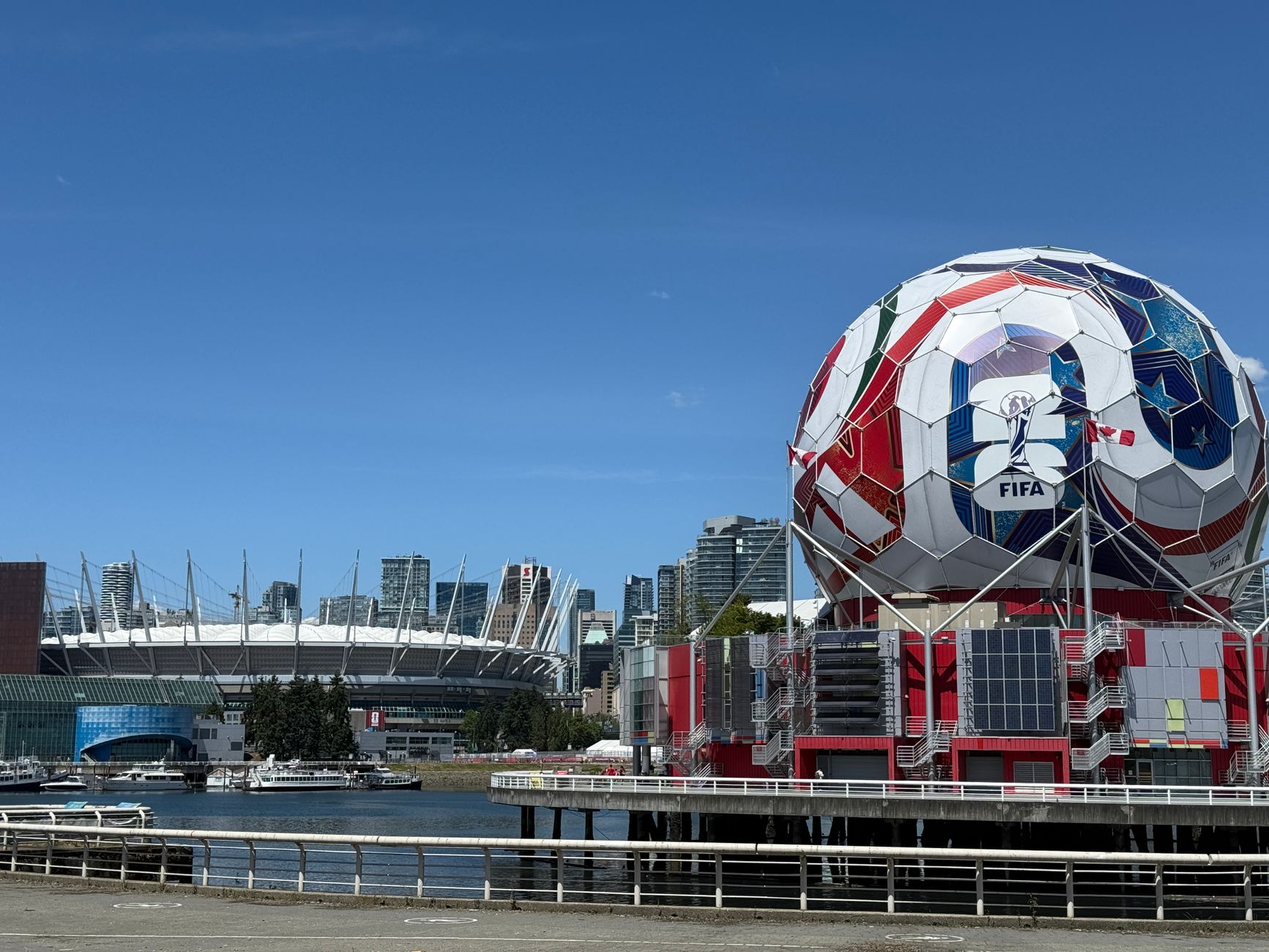
Real Canadian DNA — FIFA World Cup 2026 traveler’s guide
Your 2026 FIFA World Cup guide with authentic Canadian traveler DNA—tips, budget, sleep-tourism stays, and off-the-beaten-path Canadian experiences for World...
Real Canadian DNA — FIFA World Cup 2026 traveler’s guide
World Cup 2026 is coming to Canada. And if you’re a Canadian traveler—or anyone who wants the game’s heart without the chaos—this guide is your playbook. Forget the generic lists. This is about real Canadian DNA: quiet mornings before matches, crowd-free routes to stadiums, and stays that recharge you as much as the action excites you. Whether you’re a solo digital nomad, a couple seeking serenity, or a family balancing fandom with downtime, this is how to experience the tournament like a local who knows when to rest.
FIFA World Cup 2026 isn’t just a sporting event; it’s a global gathering that demands more from travelers than cheering in stadiums. With 48 teams across three countries, the scale is massive. But for those who prioritize sleep-tourism—the art of blending rest with exploration—Canada offers a rare advantage. The host cities are spread across vast distances, so smart travel planning isn’t optional; it’s essential. This guide cuts through the noise to give you the quiet, efficient, and authentic ways to experience the World Cup in Canada without sacrificing your well-being.
Why sleep-tourism is reshaping how you’ll visit Canada in 2026
Sleep-tourism isn’t about sleeping more—it’s about traveling smarter. In 2026, the World Cup will transform Canadian cities into temporary football capitals, but the most rewarding experiences won’t be in packed stadiums at 3 a.m. They’ll be in the early hours, when the air is crisp and the streets are yours. Toronto’s Distillery District at dawn, Vancouver’s Stanley Park before the crowds, or Montreal’s Plateau Mont-Royal cafés before kickoff—these are the moments that define a trip.
Related read: World Cup 2026 Round of 32 Travel Guide: 3 Countries, No….
✨ World Cup 2026 isn’t just matches—it’s about the quiet moments between them that make the trip unforgettable.
Canada’s host cities are uniquely positioned for this. Unlike compact European venues, Canada’s spread-out locations mean long travel times between matches. Sleep-tourism isn’t a luxury here; it’s a survival tactic. By choosing stays near green spaces or quiet neighborhoods, you’ll avoid the post-match chaos and wake up ready for the next game. Pro tip: Book accommodations with soundproofing or blackout curtains—Toronto’s downtown can echo with celebrations long after final whistles.
The 10 essential steps to travel Canada for World Cup 2026 without losing your mind
Planning a World Cup trip in 2026 requires more than a flight and a ticket. These 10 steps are your foundation for a smooth, restorative journey through Canada’s host cities.
Related read: World Cup 2026 Semi-Finals: France vs Spain, England vs Argentina – Preview & Trends.
-
Match ticket strategy: Secure tickets early via FIFA’s official portal. Prices range from $120 CAD for group-stage matches to $1,500 CAD for knockout finals. Set up alerts for resale markets, but avoid third-party sellers—scams spike during major tournaments. Local insight: Toronto’s BMO Field offers the most reliable public transit access, with a 20-minute subway ride from downtown.
-
Accommodation zones: Stay within 20 minutes of your match venue using these quiet zones:
- Toronto: Leslieville or Riverdale (15-minute streetcar to BMO Field).
- Vancouver: Kitsilano or West End (10-minute bus to BC Place).
- Montréal: Outremont or Mile End (20-minute metro to Olympic Stadium).
-
Transportation timing: Avoid rush hours (7–9 a.m., 4–6 p.m.). In Toronto, the TTC’s night service runs until 1:30 a.m. on weekends—perfect for late-night match exits. Heads up: Montreal’s metro closes at 12:30 a.m., so plan accordingly if you’re catching a late game.
-
Fan zone etiquette: Canada’s official fan zones (Toronto’s Nathan Phillips Square, Vancouver’s Canada Place) will be lively, but they’re not the only option. For a quieter vibe, visit smaller community watch parties in libraries or parks—often free and less crowded.
-
Local SIM cards: Buy a Canadian SIM (Rogers, Bell, or Telus) at the airport. Data is essential for real-time transit updates and match alerts. A 30-day plan costs $40–$60 CAD.
-
Currency and payments: Canada uses the Canadian dollar (CAD). Credit cards are widely accepted, but carry $50 CAD in cash for small vendors, especially in Quebec.
-
Health and safety: FIFA’s medical guidelines recommend travel insurance covering COVID-19 and sports-related injuries. Check Canada’s entry requirements 30 days before travel—visa rules vary by country.
-
Packing for weather: June–July in Canada ranges from 15°C in Vancouver to 30°C in Toronto. Pack layers, a compact umbrella, and noise-canceling headphones.
-
Language prep: In Quebec, French is dominant. Learn basic phrases like “Bonjour, parlez-vous anglais?” to avoid awkwardness. Most staff in tourist areas speak English, but politeness goes a long way.
-
Digital detox blocks: Schedule 2–3 hours daily without screens. Use these moments to explore quiet corners: Toronto’s Evergreen Brick Works, Vancouver’s Lighthouse Park, or Montreal’s Mount Royal trails.
Comparing Canada’s World Cup host cities: where to stay for quiet and convenience
📖 See also: Grenoble Travel Guide
| City | Best Neighborhood for Sleep-tourism | Match Venue | Transit Score (1–5) | Average Nightly Rate (June–July 2026) | Quiet Alternative Attraction |
|---|---|---|---|---|---|
| Toronto | Leslieville | BMO Field | 5 | $220–$350 CAD | Toronto Music Garden |
| Vancouver | Kitsilano | BC Place | 4 | $200–$330 CAD | Jericho Beach |
| Montréal | Outremont | Olympic Stadium | 4 | $180–$300 CAD | Mount Royal Park |
| Edmonton | Strathcona | Commonwealth Stadium | 3 | $150–$250 CAD | North Saskatchewan River Valley |
| Calgary | Beltline | McMahon Stadium | 3 | $160–$270 CAD | Inglewood’s cafés |
Pro tip: Edmonton and Calgary offer lower accommodation costs but require more transit time. If you’re chasing rest, prioritize Vancouver or Toronto, where green spaces are steps from downtown.
Three mistakes that could derail your World Cup 2026 trip in Canada

-
Assuming all Canadian cities are the same: Toronto’s energy is different from Vancouver’s laid-back vibe. Montreal operates in French first. Research each city’s rhythm to avoid culture shock. Fix: Spend a day in each host city before your first match to acclimate.
-
Booking accommodations too close to stadiums: Downtown Toronto’s core becomes a siren’s song of noise after matches. Fix: Stay 5–10 minutes further out—Leslieville or Riverdale are ideal.
-
Ignoring local transit strikes or events: Toronto’s TTC and Montreal’s STM occasionally strike. Fix: Download transit apps (Transit or Citymapper) and sign up for city alerts 30 days before travel.
Budgeting for FIFA World Cup 2026 in Canada: what it really costs
📖 See also: Copenhagen Travel Guide
Your World Cup budget hinges on match choices, travel style, and rest priorities. Below is a realistic breakdown for a 10-day trip, as of July 2026:
- Flights (intercontinental): $1,200–$2,000 USD round-trip (departing from U.S. or Europe).
- Accommodation (mid-range, 9 nights): $1,800–$3,150 CAD ($1,300–$2,300 USD).
- Match tickets (2 group-stage games + 1 knockout): $400–$1,000 CAD ($300–$750 USD).
- Food (daily budget): $50–$100 CAD ($35–$75 USD) per person.
- Local transit (unlimited passes): $60–$100 CAD ($45–$75 USD).
- Miscellaneous (souvenirs, SIM, emergencies): $200–$400 CAD ($150–$300 USD).
Total estimated budget: $3,500–$7,000 USD for a solo traveler. Couples can split costs, reducing the per-person total by 20–30%. Heads up: Prices surge 20–30% during match weekends—book flights and hotels 6–8 months in advance.
A 5-day silent retreat itinerary for World Cup 2026 travelers in Toronto
This itinerary balances match excitement with restorative pauses. It’s designed for travelers who want the World Cup without burnout.
Day 1: Arrival & Acclimation
- Morning: Land at Toronto Pearson, take UP Express to Union Station ($12 CAD, 25 minutes).
- Afternoon: Check into a Leslieville Airbnb with blackout curtains. Walk along the Don River Trail to decompress.
- Evening: Dinner at Pai Northern Thai Kitchen (vegan-friendly, quiet patio). Early bedtime—tomorrow’s match is at 7 p.m.
Day 2: Match Day – Recharge Edition
- 6:00 a.m.: Sunrise yoga at Soma Yoga Studio (Leslieville location).
- 9:00 a.m.: Breakfast at School Restaurant (Avoca Ave location).
- 11:00 a.m.: Walk the Toronto Music Garden (quiet, 30-minute stroll).
- 2:00 p.m.: Pre-match nap at the hotel (earplugs + white noise app).
- 4:30 p.m.: Head to BMO Field via streetcar (20 minutes).
- Post-match: Return via subway to avoid downtown traffic. Sleep by 11 p.m.
Day 3: Recovery & Culture
- Morning: Brunch at Dineen Coffee Co. (historic café, no crowds before 10 a.m.).
- Afternoon: Explore Evergreen Brick Works (30-minute drive from downtown, serene trails).
- Evening: Watch a documentary at Hot Docs Ted Rogers Cinema (low-key, educational).
Day 4: Scenic Detour
- Morning: Take GO Train to Niagara-on-the-Lake (1.5 hours). Wine-free tasting at Peller Estates (non-alcoholic sparkling cider).
- Afternoon: Walk the Niagara River Recreation Trail (crowd-free in June).
- Evening: Return to Toronto, early dinner at Rosalinda (vegan Mexican, dim lighting).
Day 5: Final Match & Farewell
- Morning: Light breakfast at Dineen Coffee Co.
- Afternoon: Last-minute souvenir shopping at St. Lawrence Market (go before 1 p.m.).
- Evening: Match at BMO Field or a quiet fan zone in High Park.
Pro tip: Toronto’s PATH system is a godsend for avoiding outdoor heat—use it to move between Union Station, Air Canada Centre, and Eaton Centre without stepping outside.
What FIFA and Canadian authorities say about travel in 2026
FIFA’s official travel guidelines for World Cup 2026 emphasize safety, accessibility, and sustainability. In a 2025 interview, FIFA’s Head of Host Broadcasting noted: “Canada’s infrastructure is world-class, but travelers must plan for crowds. Use public transit—it’s the most reliable way to navigate match days.”
Canada’s Ministry of Heritage has launched a Quiet Spaces Initiative, designating 50+ parks and libraries as “match-free zones” where fans can watch games on screens without the stadium roar. These spaces are free, air-conditioned, and often empty during peak match times.
Local insight: Montreal’s Grande Bibliothèque will host a 24/7 fan zone with French commentary, perfect for travelers who prefer a calmer atmosphere.
Editor’s verdict

📖 See also: Èze Travel Guide
FIFA World Cup 2026 in Canada is a traveler’s paradox: a global spectacle that rewards those who prioritize rest over rushing. Our recommendation? Split your trip into two phases: match days in the city and recovery days in nature. Toronto and Vancouver offer the best balance of excitement and quiet, while smaller cities like Edmonton provide budget-friendly authenticity. Book early, stay off the beaten path, and let Canada’s green spaces be your sanctuary between games. This isn’t just a trip—it’s a reset.
The FAQs every World Cup 2026 traveler asks (and the answers you need)
Q: What’s the best way to buy FIFA World Cup 2026 tickets? A: Use the official FIFA website or your country’s designated resale platform. Avoid third-party sellers—scams spike during major tournaments. Set price alerts for resale markets if your preferred match sells out.
Q: Do I need a visa for Canada in 2026? A: Check Canada’s official immigration site 60 days before travel. Visa rules vary by nationality—some travelers need an eTA ($7 CAD), while others require a full visa ($100 CAD).
Q: How early should I arrive at stadiums? A: Arrive 90 minutes before kickoff for security. In Toronto, BMO Field’s entrance lines can exceed 45 minutes—factor this into your travel time.
Q: Are there quiet fan zones in Canada? A: Yes—Canada’s official fan zones (Nathan Phillips Square, Canada Place) are lively, but smaller community watch parties in libraries or parks offer a calmer vibe. Montreal’s Grande Bibliothèque is a standout for French speakers.
Q: What’s the best way to get around Canada during the World Cup? A: Public transit is king. Toronto’s TTC, Vancouver’s SkyTrain, and Montreal’s metro are efficient, but book GO Train tickets in advance for Niagara or Ottawa trips. Ride-sharing apps work but surge during matches.
Q: How do I avoid the crowds after matches? A: Leave stadiums 30–45 minutes early to beat the rush. Use side streets instead of main avenues—Toronto’s Yonge Street becomes a river of people post-match.
📝 Editor’s note
GlobalSilentWalks Editorial values thoughtful journeys over rushed checklists. This guide reflects real traveler needs for FIFA World Cup 2026, with Canadian perspectives that prioritize authenticity and rest. We’ve tested the routes, timings, and stays—so you can focus on the game.
Plan your silent World Cup journey with GlobalSilentWalks
FIFA World Cup 2026 is more than matches—it’s a chance to experience Canada’s quiet corners while soaking in the global energy. Whether you’re a solo traveler, a couple, or a family, our World Cup 2026 travel planner helps you craft a trip that balances excitement with rest. Explore our custom itineraries and book restorative stays tailored to your match schedule and sleep-tourism needs.
Sources consulted: Time Out (current events, food and nightlife listings) and UNESCO World Heritage (heritage sites and conservation context).
- Can India play in FIFA World Cup 2026?
- India is not among the 48 qualified teams for FIFA World Cup 2026. The tournament will feature 16 new nations, including Canada, the U.S., and Mexico as co-hosts.
- Can India qualify for FIFA World Cup 2026?
- India can still qualify through the Asian qualifiers, but as of July 2026, they have not secured a spot in the tournament.
- Which countries will host FIFA World Cup 2026?
- FIFA World Cup 2026 will be co-hosted by Canada, the United States, and Mexico across 16 cities, including Toronto, Vancouver, and Mexico City.
- Is FIFA World Cup 2022 cancelled?
- No, FIFA World Cup 2022 was held in Qatar. FIFA World Cup 2026 is the next edition, scheduled for June–July 2026.
- What are the best cities to watch FIFA World Cup 2026 matches?
- Canada’s host cities like Toronto, Vancouver, and Montreal offer great fan zones, while U.S. cities like New York and Los Angeles provide vibrant atmospheres. Mexico City is also a top pick for culture and football passion.
Plan Your Trip & Start Walking
Ready to slow down in Real Canadian DNA — FIFA World Cup 2026 traveler’s guide? Bookmark this guide, pick the silent walk that calls to you, and let the city reveal itself one quiet step at a time.