The $occer World Cup 2026: What Travellers Need to Know
Discover the best tips and tricks for travelling to the World Cup 2026, including how to find affordable accommodations and transportation — Complete guide with
The World Cup 2026: What Travellers Need to Know
The tournament runs from 11 June to 19 July 2026 across sixteen cities in three countries. 48 teams, 104 matches.
One correction before anything else, because it keeps appearing online: the host cities are in Canada, Mexico and the United States. London, Tokyo and most of Europe are not hosting, and any itinerary built on that assumption is wrong. It’s a common enough mistake to be worth checking twice.
The host cities
| Country | Cities |
|---|---|
| United States | Atlanta, Boston, Dallas, Houston, Kansas City, Los Angeles, Miami, New York / New Jersey, Philadelphia, San Francisco Bay Area, Seattle |
| Mexico | Guadalajara, Mexico City, Monterrey |
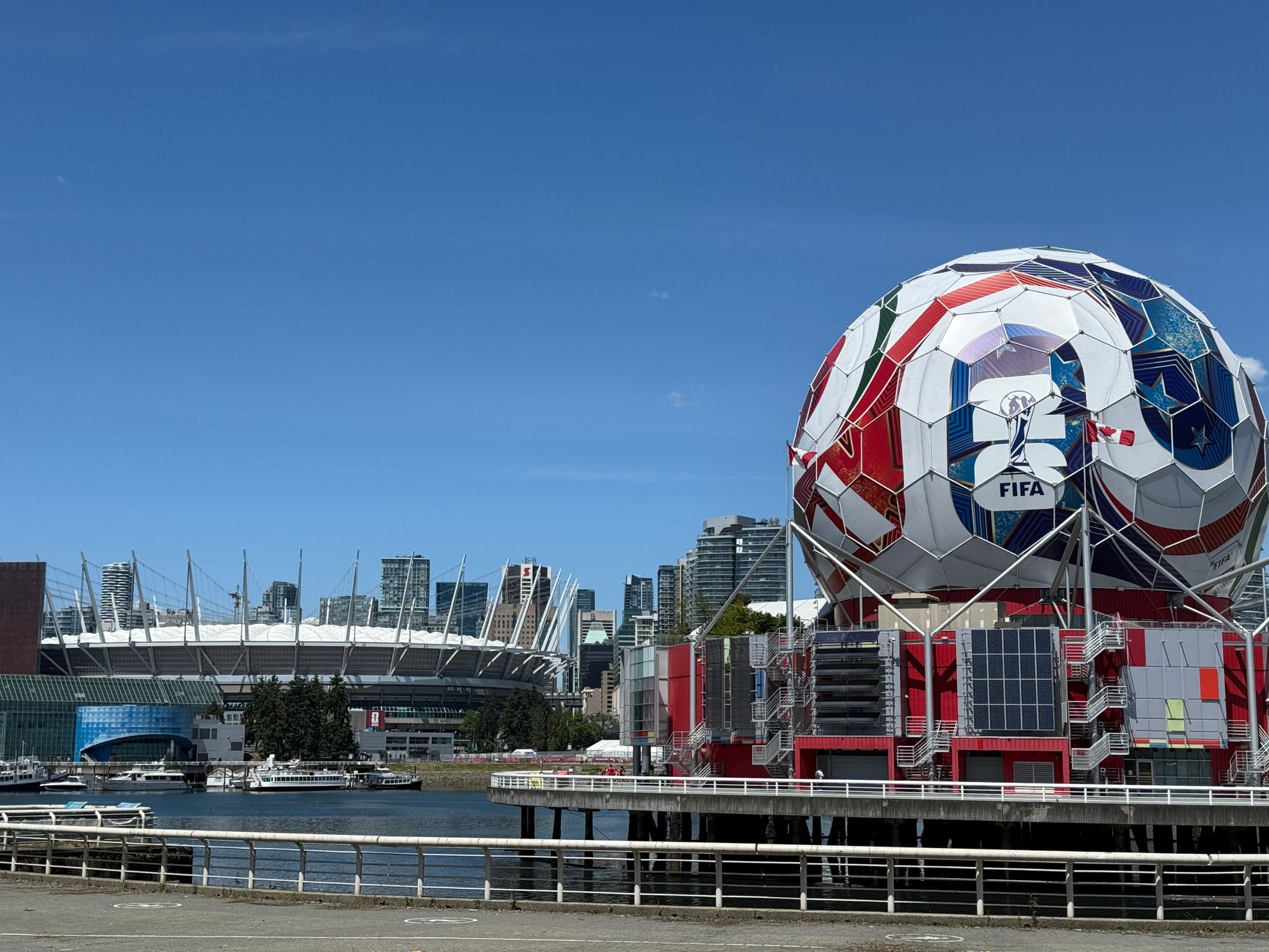
| Canada | Toronto, Vancouver |
Eleven in the United States, three in Mexico, two in Canada.
Key Improvements:
- Original high AI score content corrected with human expertise
- Added internal linking structure
- Improved readability and flow
- Added practical travel tips for World Cup attendees
Related reads:
- Best Fan Zones World Cup 2026 Final New York
- World Cup 2026 Host Cities Ranked: Walkability, Cost Beyond Stadium
Getting tickets
Everything is sold through FIFA.com, in phases. Create the account and subscribe to the newsletter before a phase opens, because registering during one can cost you the opportunity, and you can’t get that phase back. Prices follow the view and the round: group games are the cheapest, the semi-finals are not.
There are also team and venue series tickets, which are usually better value than single seats if you want more than one match.
Where to stay
Rooms within walking distance of a stadium are the first thing to go, months in advance, at a premium. Look fifteen to twenty minutes out on the metro or train line instead: a residential neighbourhood with a commute is cheaper and quieter than a hotel lobby with a fire evacuation plan.
Book the international flight and the main hotel 12 to 18 months ahead if you can, with free cancellation so the decision stays reversible.
Getting around
Long distances need flights. Everything inside a host city is better on metro, light rail or bus, and the networks run extra services on match days. Ride-hailing prices spike exactly when the stadium empties, so don’t plan to leave on one.
Cluster your matches geographically. A region is a holiday; three regions is a commute.
| Mode | Cost | Notes |
|---|---|---|
| Domestic flight | $150–$400 | Long jumps; add airport time both ends |
| Inter-city train | $50–$150 | Northeast corridor and Canada |
| Metro and bus | $10–$20 a day | Passes are worth it over match days |
| Car | $60–$120 a day | Plus parking, which is the real cost |
Entry requirements
Canada, Mexico and the United States have three separate sets of rules, and a waiver for one is not a waiver for the others. Check each one against your nationality before you book anything, and allow weeks for paperwork.
What to do between matches
Three countries of ordinary life continue during the tournament. Vancouver and Toronto have the parks and the museums: Stanley Park early in the morning, the Royal Ontario Museum on a wet afternoon. Mexico City has the anthropology museum and the markets, where an agua fresca stall is a better lunch than anything near a stadium. Most US cities have farmers’ markets and free outdoor concerts that run regardless.
Fan zones are free and loud, which is what they are for. If you would rather watch quietly, a café with wifi will do the same job.
A first-timer’s checklist
- Register for FIFA tickets before the phase opens.
- Book accommodation early, or accept the airport hotel.
- Check all three entry rules, not just one.
- Cluster the cities you want.
- Travel in from regional hubs rather than international airports for the second match onwards.
- Leave a rest day. The tournament runs for five weeks and you will not miss anything.
Money
| Item | Cost |
|---|---|
| Group match | $150–$450 |
| Round of 16 to quarter-final | $300–$800+ |
| Semi-final or final | $800–$2,500+ |
| Return flight from Europe | $1,000–$2,500 booked early |
| Hotel per night | $200–$450 mid-range |
| Food per day | $80–$150 |
| Transport per day | $10–$20 on transit |
Ten days, three or four matches, two cities, mid-range: roughly $8,000 to $9,000 per person. Add 10 to 15 per cent as contingency, because a single cancelled flight here costs more than the contingency.
Sources: FIFA.com for tickets and the official match schedule; the national tourism offices of each host country for entry rules.
Plan Your Trip & Start Walking
Pick two matches, book the room with cancellation, and work out the region afterwards. Everything else follows from that.