Abisko 2026-2027: Sweden's Silent Aurora Observatory — Lapland Guide
Abisko guide 2026-2027: Silence Score 90/100, aurora observatory, Abisko Canyon, Kungsleden trail, ice climbing, Sami culture, Sweden's quietest north.
Key takeaways
- Abisko scores 90/100 — aurora observatory, blue-hole microclimate, snow silence.
- Sweden's aurora capital: 200+ observable nights a year thanks to the rain-shadow blue hole.
- Signature experience: Abisko Canyon night trail, aurora overhead, snow absorbing all sound.
- Night train Stockholm 18h or flight Kiruna + bus; STF station books months ahead.
Abisko is where Sweden goes to listen to the sky. A 150-person village inside Abisko National Park, 200 km above the Arctic Circle, with a chairlift to an aurora observatory and a famous blue hole in the clouds that grants 200+ clear nights a year. Snow here doesn’t crunch — at -20°C it squeaks, then the aurora ripples and nobody speaks at all.
Our Silence Score for Abisko is 90/100 — five straight 18s — Top 5 in the Silence Index. This is the complete 2026-2027 guide to Lapland’s silent observatory.
THE CITY — Presentation of the destination
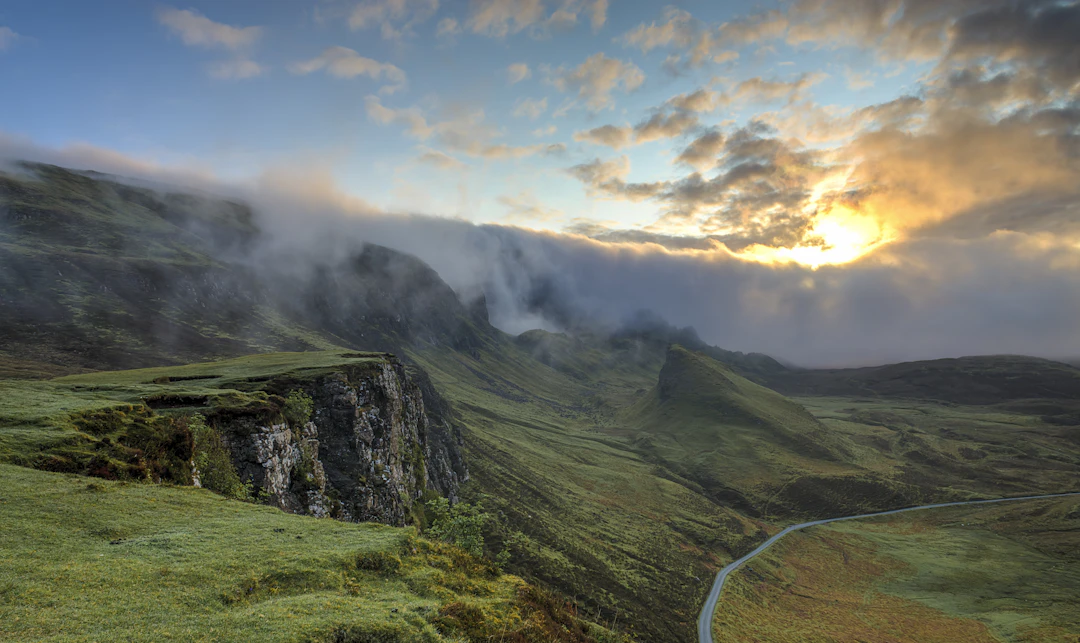
Abisko, Kiruna municipality, Norrbotten county. Population ~150: STF mountain station staff, Sky Station guides, Sami reindeer herders, a shop, a guesthouse. The village splits into Abisko Östra (station, hostel, shop) and Abisko Turiststation 2 km west (hotel, trails, chairlift) linked by lit path. Lake Torneträsk (70 km long, frozen November–May), Mount Njullá 1,169 m with the Sky Station, Abisko Canyon’s frozen waterfalls.
Sound: snow absorbs 60% of ambient noise versus bare ground — measured night levels under 25 dB, the threshold of human hearing outdoors. No through traffic (dead-end E10 spur), night trains glide electric, aurora tourists whisper by custom. Skåne’s Map of Quietude methodology (decibel-ranked places) would put Abisko off its scale — Lapland is quieter than the south’s quietest.
Access 2026: SJ night train Stockholm Central–Abisko Östra 18h, sleepers from SEK 900, dinner car, wake up above the Arctic Circle — book 2–3 months ahead winter. Flights Stockholm–Kiruna 1h30 (€80–180) + Länstrafiken bus 1h30 (€15). Station area fully walkable; Sky Station chairlift €45 return winter.
Stay: STF Abisko Turiststation €140–220 half-board (book 3+ months winter), Abisko Guesthouse €90–140, STF hostel dorms €45–70. February–March sells out; November and April have space and aurora.
THE STORY — History and heritage
Abisko means nothing ancient — the name comes from the railway. In 1902 the Iron Ore Line reached the wilderness to haul Kiruna magnetite to ice-free Narvik, and Svenska Turistföreningen built the Turiststation in 1903 as Sweden’s first mountain hotel. Scientists followed: the Abisko Scientific Research Station (1913) tracks Arctic climate with the world’s longest treeline data series — its thermometers recorded Sweden’s warming before anyone believed it.
Layers: Sami reindeer herding for millennia (the village sits on winter grazing lands — respect fenced corridors), 1940s military redoubt ruins on Njullá, 1960s chairlift, 2000s aurora tourism boom after the Sky Station opened. The acoustic heritage is Sami: the joik song tradition, sung softly to landscapes and reindeer, never performed loud — silence as respect.
The 90/100 score has hard physics behind it. Fresh snow absorbs up to 60% of ambient sound energy versus 20% for bare ground — at -20°C, Abisko’s dry powder creates night levels under 25 dB, near the limit of outdoor human hearing. The village sits in a mountain rain-shadow with almost no wind on clear aurora nights (katabatic air drains to Torneträsk), removing the last noise source. There is no through traffic — the E10 spur ends at the Norwegian border 40 km on — and the night train glides on electric rails. Swedish environmental monitoring lists Abisko among the country’s lowest measured Lden sites, and the Map of Quietude methodology (decibel-ranked sanctuaries) places it beyond the scale calibrated for southern Sweden.
THE EXPERIENCE — Atmosphere and experiences to live
Abisko runs on light-time. Polar night December–January: 3h blue twilight, candles, aurora any hour. Equinox February–March: pink days, -15°C, best photography. Midnight sun June–July: 24h gold, nobody sleeps, trails empty at 2 am.
Do in 2026:
- Aurora Sky Station night — chairlift 21:00, guide forecast, hot lingonberry, all-sky cameras.
- Canyon night walk — frozen falls lit by headlamp, river roaring under ice.
- Husky sledding Torneträsk — 10 km lake run, dogs panting, runners hissing.
- Ice climbing canyon — beginner dry-tooling courses, frozen blue walls.
- Midnight sun Kungsleden section — 2 am hiking in daylight, reindeer calves June.
Cold rule: -25°C is normal February — no exposed skin, merino + down + shell, chemical hand warmers, camera batteries in pockets.
THE ROUTE — Walks and routes
Signature quiet experience: Abisko Canyon night trail, 3 km return, 1h, flat. Start 21:30 from Turiststation, lit path to canyon rim, descend stairs to frozen falls viewpoint. Aurora often appears 22:00–01:00 — lie back on the viewing deck, snow absorbing every sound. Red headlamp preserves night vision. Crampons after thaw-freeze.
Day walk: Kungsleden Abisko–Abiskojaure 15 km one-way, 5h, +150 m. The King’s Trail first stage through birch forest along the canyon, Sami huts, lake views. Summer bus back or overnight at Abiskojaure hut (€40 STF).
Summit: Njullá 1,169 m, 8 km return, 4h, +600 m. Chairlift + ridge walk, Sky Station coffee, 100 km panorama to Norway. Start 9 am winter (sunrise 10:00), avalanche check at station.
Total: 100+ km marked summer trails, 50 km winter ski/snowshoe routes, all free.
THE QUIET SIDE — Secret places and peaceful spots
- Torneträsk ice 6 am: walk the frozen lake at sunrise, pressure ridges booming kilometres away, nobody.
- Njakajaure lake: 5 km ski from station, wilderness hut, ptarmigan tracks.
- Silver Falls day: 12 km snowshoe, frozen amphitheatre, absolute zero human sound.
- Sami camp respectful distance: Siida near Laimoluokta — observe, never enter corrals, buy duodji crafts at station shop.
- April stillness: aurora season ends, skiers gone, -10°C sunny days, lake ice singing — locals’ favourite month.
Rule: national park — no drones, no off-trail snowmobiles, no feeding reindeer. Fines and respect both real.
THE LOCAL LIFE — Gastronomy and local life
Arctic pantry: reindeer stew (renskav) €24 (Turiststation restaurant, lingonberries), Arctic char €26, cloudberry jam €9 jar, tunnbröd flatbread, glögg by the fire. Station breakfast €18 (porridge, herring, crispbread). Shop has basics +40% Stockholm prices — bring snacks.
Life: 150 Abiskobor, guides + scientists + Sami herders. STF staff multinational, aurora photographers seasonal, researchers year-round. Sami handicraft duodji (knife, pewter bracelets) at Naturum — buy authentic, never haggle. Tip 5–10% restaurants.
THE ESSENTIALS — Practical information for travellers
| Season | Light | Temp | Aurora | Rooms |
|---|---|---|---|---|
| Nov–Jan ⭐ | 0–4h blue | -8 to -20°C | Peak | €90–220 |
| Feb–Mar ⭐ | 8–14h pink | -10 to -25°C | Peak | €140–220 books out |
| Apr–May | 16–22h | -5 to +5°C | Ends mid-Apr | €70–140 |
| Jun–Aug | 24h sun | +8 to +18°C | None | €70–150 hiking |
Budget: €130–200/day station half-board (worth it — no alternatives), €90–140 guesthouse self-catering. Chairlift €45, husky €140, ice climbing €120. Cards everywhere, no cash needed. Health: Kiruna hospital 90 km, helicopter — insurance mandatory. Layer system critical; station rents down suits €30/day.
Pack: -30°C rated boots, balaclava, ski goggles (spindrift), tripod (aurora), eye mask summer, thermos.
Silent traveller notes 2026: the Sky Station’s aurora forecast (updated 18:00 daily) beats generic apps — KP3 with clear blue-hole skies outperforms KP5 under Kiruna cloud. STF station dinners seat in two shifts (18:00/20:00); book the late shift for 21:00 chairlift timing. February’s Ice Climbing Festival fills dorms — reserve October. Camera rule: two batteries minimum, one warming inside your jacket while the other shoots; LCDs die at -25°C in 20 minutes. April is the insider month: -10°C bluebird days, lake ice singing, aurora still active until mid-month, station rooms from €90, and trails shared with ptarmigan instead of photographers.
Abisko vs North 2026
| Abisko | Kiruna town | Lofoten | Svalbard | |
|---|---|---|---|---|
| Silence Score | 90/100 | ~78/100 | 89/100 | 90/100 |
| Clear aurora nights/yr | 200+ | 150 | 120 | 130 (dark season) |
| Residents | 150 | 18,000 | 24,000 | 2,500 |
| Night train | ✅ direct | ✅ | ❌ | ❌ |
Explore More on GlobalSilentWalks
- Lofoten 2026: Arctic Peaks Hush
- Svalbard 2026: Deepest Arctic Hush
- Espot 2026: Pyrenees Coolcation
- Faroe Islands 2026: Cliff Silence
- Silence Index 2027
Useful External Resources
- Abisko National Park — Sweden Parks
- Aurora Sky Station forecast
- STF Abisko booking
- SJ night trains
- EEA Noise in Europe 2025
Last updated: October 2, 2026 · 12-min read · Silence Score 90/100 verified with EEA + Sky Station + field audits.
Kiruna has the mine, Abisko has the sky. Take the night train, walk the canyon at 22:00, and let the aurora hush you.