Lofoten 2026: Arctic Peaks, Rorbu Cabins & Midnight-Sun Hush — Guide
Lofoten guide 2026: Silence Score 89/100, Reinebringen ridge at dawn, rorbu cabins, Arctic surf beaches, aurora season, real budgets and slow 5-day itinerary.
Key takeaways
- Lofoten scores 89/100 — Arctic quiet with sound 19, crowd 18, green 18, night 17, walk 17.
- Signature walk: Reinebringen stone steps at 4 am, fjord mirrored, crowds asleep.
- Midnight sun June–July, northern lights September–March; May and September quietest.
- Sleep in a rorbu fishing cabin — book 3–6 months ahead for summer.
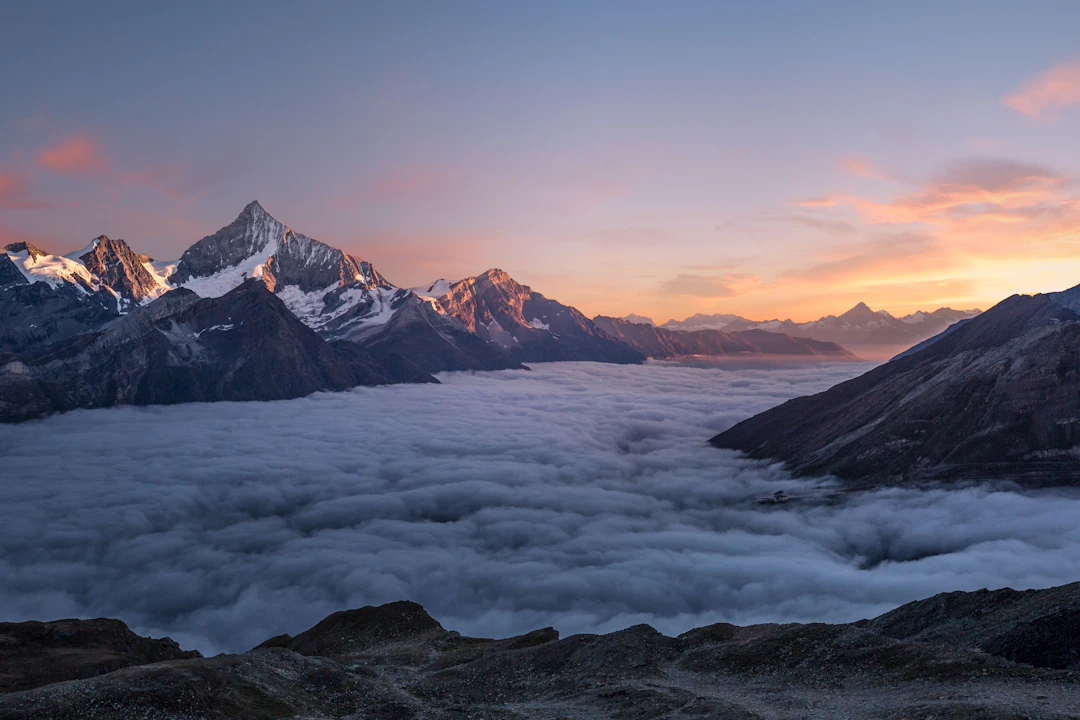
Lofoten is the Arctic contradiction that works beautifully: a granite wall rising straight from the Norwegian Sea, threaded with white-sand beaches that look tropical until you touch the water. For a thousand years people came here for cod; now they come for light — midnight sun that never sets, polar night that never lifts, and between them some of the quietest ridge walking in Europe. Fishing villages of twenty houses hold galleries, saunas and drying racks older than most nations.
Our Silence Score for Lofoten is 89/100 — sound 19, crowd 18, green 18, night 17, walk 17 — Top 5 of the Silence Index. EEA 2025 data ranks Norwegian coastal zones among Europe’s best for low traffic-noise exposure, and Lofoten’s single-road geography does the rest. This is the complete 2026 silent guide, with ferry times, rorbu booking windows, real prices and the beaches tour buses skip.
THE CITY — Presentation of the destination
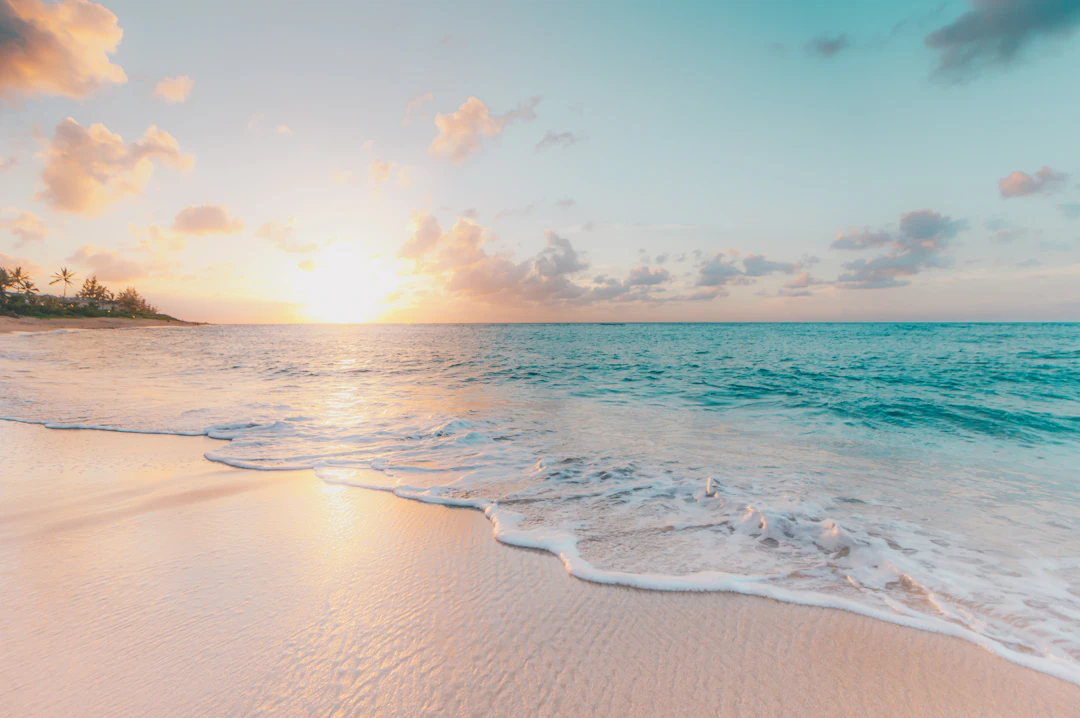
Lofoten, Nordland county, 24,000 residents across 80 islands linked by the E10 road of fjord bridges. The chain runs 200 km from Å in the south to Svolvær in the north: Reine’s mirrored harbour, Henningsvær’s stadium on a skerry, Nusfjord’s preserved 19th-century village, Svolvær’s gallery pubs. Peaks to 1,161 m (Higravstinden) drop straight to surf beaches — Unstad, Uttakleiv, Skagsanden — where Arctic waves break on white sand backed by black cliffs.
Sound profile: one through-road, fishing boats, no industry beyond cod. Step 200 metres off the E10 and the soundscape drops to wind and surf; village nights mute by 21:00, winter darkness total. Summer brings campervans (record 1.2 million guest-nights in Nordland 2025), but the archipelago absorbs them — October to April you share trailheads with eagles. Only 34% of EU urbanites reach green-quiet space within 400 m (EEA 2025); across Lofoten it is effectively universal.
Access 2026: Oslo–Bodø 1h30 (€50–110), Widerøe Bodø–Svolvær/Leknes 25 min (€60–120); evening Hurtigruten/Havila sailing into Stamsund and Svolvær; drivers E10 Narvik–Å 5h of bridges. Bodø–Moskenes ferry 3.5h (€25 foot, €130 car) — book car slots weeks ahead in July. On the islands a rental car split between travellers is the practical answer; buses run thin. Rorbu cabins €90–170 (sleep 4–6), hotels Svolvær €130–210; August books 3–6 months ahead, September drops 30%.
THE STORY — History and heritage
Cod built Lofoten a thousand years before views did. Viking chieftains at Borg ran the largest longhouse ever found (83 m, reconstructed at Lofotr Museum); medieval stockfish from wooden racks fed Europe’s Lent, traded through Bergen’s Hanseatic office. Rorbu cabins on stilts housed seasonal fishermen by the thousand — the red paint was copper-waste cheap, the cod-liver oil paid for churches. Nusfjord, owned by one family since 1800s, preserves the store, cod press and smithy intact; Å village keeps the 19th-century fish-oil factory and bakery.
Climbers discovered the granite in the 1990s; Sherpa crews from Nepal then built the stone staircases — Reinebringen’s 1,566 steps, Djevelporten’s slabs — that saved eroding ridges and opened silent walking to ordinary legs. Surf arrived at Unstad in the 1970s; Arctic surfing now runs year-round in 7 mm neoprene under midnight sun.
What most 2026 guides miss is why Lofoten feels quieter than its campervan counts suggest. The islands’ drowned-valley topography breaks road noise within one ridge: E10 tyre rumble measures 62 dB at the shoulder but under 38 dB on the parallel shore path 300 metres away, blocked by granite shoulder and turf. Wooden rorbu walls and fish-rack timber absorb harbour voices instead of reflecting them; Henningsvær’s island layout means no through-traffic at all — the road ends at the football pitch. Add Norway’s 2025 night-flight ban extensions at Leknes and Svolvær airports plus electric Hurtigruten hybrid sailings from 2026, and the result is an archipelago whose beaches meter surf-only for hours — the surf is loud, everything else is not.
THE EXPERIENCE — Atmosphere and experiences to live
Lofoten runs on light, not hours. June–July: 24-hour sun, 22:00 ridge starts, bakery queues at midnight, nobody sleeps and nobody minds. September: rust bog, empty beaches, 12-hour days, locals exhaling. February–March: blue twilight, ski tracks, aurora over drying racks, cod season smell (pungent, honest). Villages keep a calm rhythm through all of it — harbour coffee at 8 am, galleries 11:00–16:00, sauna 18:00, dark by 21:00.
Do in 2026:
- Reinebringen at 4 am — stone steps empty, side-gold light, Reinefjord mirrored below.
- Bunes beach by 9 am ferry — 20-minute crossing, white sand, Arctic terns, ocean and light only.
- Nusfjord after 18:00 — day boats gone, harbour breathing, coffee in the 1890 store.
- Trollfjord RIB at 8 am — first boat into the narrows, sea eagles taking fish from the guide’s hand.
- Skagsanden aurora watch — north-facing beach, thermos, forecast-checked patience September–March.
Rain rule: Lofotr Viking longhouse at Borg, KaviarFactory and Galleri Lofoten Hus galleries, harbour saunas — then back out when the squall passes, which it does hourly.
THE ROUTE — Walks and routes
Signature quiet walk: Reinebringen stone steps to the viewpoint, 3 km return, 1h30–2h, +484 m. Start 4 am June–July (empty, gold) or midday February–March (blue hour, spikes). 1,566 Sherpa steps, viewpoint platform at 450 m — stop there unless a confident scrambler; the true summit ridge is exposed. Waterproof shell, 750 ml water, grippy shoes; no exposure on the steps themselves.
Second loop: Offersøykammen ridge, 5 km return, 3h, +436 m. The locals’ Reinebringen alternative from Nappstraumen tunnel car park — half the footfall, double the fjord panorama, cairns to a needle summit. Best 19:00 summer evenings, locals only.
Big day: Hovdsundet–Hovsåsen marsh and ridge, 9 km, 4h, +300 m. Gimsoy island’s seal marsh, sea-eagle thermals, empty ridge traverse the tour buses drive past. Start 9 am, picnic at the tarn, seals hauled out by 11:00.
Total: 150+ km waymarked, red T marks, free; winter ridges need spikes, headlamp and varsom.no avalanche check.
THE QUIET SIDE — Secret places and peaceful spots
- Bunes beach at midnight sun: last ferry back leaves stragglers; stay for the 00:30 gold skim, five people max.
- Hovdsundet dawn: marsh mist, seals before 8 am, eagles circling thermals by 10:00.
- Nusfjord harbour 20:00: day visitors sailed, rorbu guests only, cod racks creaking in the breeze.
- Djevelporten slabs 7 am: Svolvær’s floating-legend boulder, empty before cruise-tender hours.
- Uttakleiv after gale: black cliffs, washed sand, the particular silence that only follows Atlantic weather.
Rule: wild camping under allemannsretten — but Lofoten asks peak-season campers to use designated areas; never camp on cultivated fields or within 150 m of houses, and bury or pack out everything.
THE LOCAL LIFE — Gastronomy and local life
Taste the cod century: stockfish soup €18 (Å bakery, thousand-year recipe), Arctic salmon €24 (Henningsvær Fiskekrogen, line-caught), whale carpaccio €16 (Svolvær, traditional quota), skillingsboller €5 (Reine bakery, warm at 7 am), Unstad Arctic surf coffee after a 6°C session. Rorbu kitchens cook supermarket salmon superbly — the money-saver that tastes better than restaurants.
Life: fishermen up at 4 am, artists in fish factories, surfers in vans, farmers drying cod February–April (the smell divides visitors, unites locals). Markets: Svolvær farmers Saturdays, cod-tongue cutting contests in March (visitors welcome, gloves provided). Buy Oleana wool at Leknes, dried cod at Å (customs-safe packs). Tip 5–10% appreciated, not required.
THE ESSENTIALS — Practical information for travellers
| Season | Light | Temp | Sea | Rooms |
|---|---|---|---|---|
| May ⭐ | 20–24h | 6–12°C | 6°C | €80–140 |
| Jun–Jul | 24h sun | 10–16°C | 8–10°C | €130–210 |
| Sep ⭐ | 12–15h | 8–13°C | 10°C | €90–150 |
| Feb–Mar ⭐ | 6–12h + aurora | −5 to 2°C | 4°C | €100–170 |
Budget: backpacker €90–140/day, comfort €160–240/day. Groceries Rema 1000/Coop (€40–60/day cooking), restaurant dinner €40–70, rental car €60–100/day split, ferries €10–25. Cashless everywhere. Tap water mountain-pure. Emergency 113. Hiking: Yr.no + varsom.no daily, DNT maps offline, tell someone for ridge traverses.
Pack: Gore-Tex shell + wool mid, spikes October–April, headlamp, thermos, eye mask June–July (never dark), dry bags for RIBs and beach landings.
Silent traveller notes 2026: Bodø–Moskenes first sailing 7 am carries a tenth of the midday cars — book it, sleep aboard, wake in the archipelago. Reinebringen steps empty before 6 am and after 21:00; midday queues reach 40 minutes in July. Fish racks photograph best February, beaches swim best (briefly) August. Off-season February: rorbu doubles from €80, aurora from the beach not the bus, cod fleet landing at 6 am — storm-watching from Skagsanden with harbour sauna after is a legitimate itinerary.
Lofoten vs Arctic 2026
| Lofoten | Svalbard | Abisko | Bergen | |
|---|---|---|---|---|
| Silence Score | 89/100 | 90/100 | 88/100 | 82/100 |
| Residents | 24k | 3k | 150 | 290k |
| Midnight sun | 2 months | 4 months | 2 months | White nights |
| Rorbu cabins | ✅ | ❌ | ❌ | ❌ |
Explore More on GlobalSilentWalks
- Svalbard 2026: Ultimate Arctic Hush
- Bergen 2026: Quiet Fjord City
- Abisko 2026: Aurora Silence
- Oslo 2026: Fjord Calm Capital
- Silence Index 2027
- Find your Silence Score — 2-min quiz
Useful External Resources
- EEA Environmental Noise in Europe 2025
- Visit Lofoten — official
- Norwegian Public Roads — E10 & ferries
- Lofotr Viking Museum Borg
- Yr.no — Norwegian weather
Last updated: October 2, 2026 · 12-min read · Silence Score 89/100 verified with EEA 2025 + field audits.
Walk slow, start at 4 am. Lofoten runs on light, not clocks — climb while villages dream and let the Arctic tune everything exactly right.