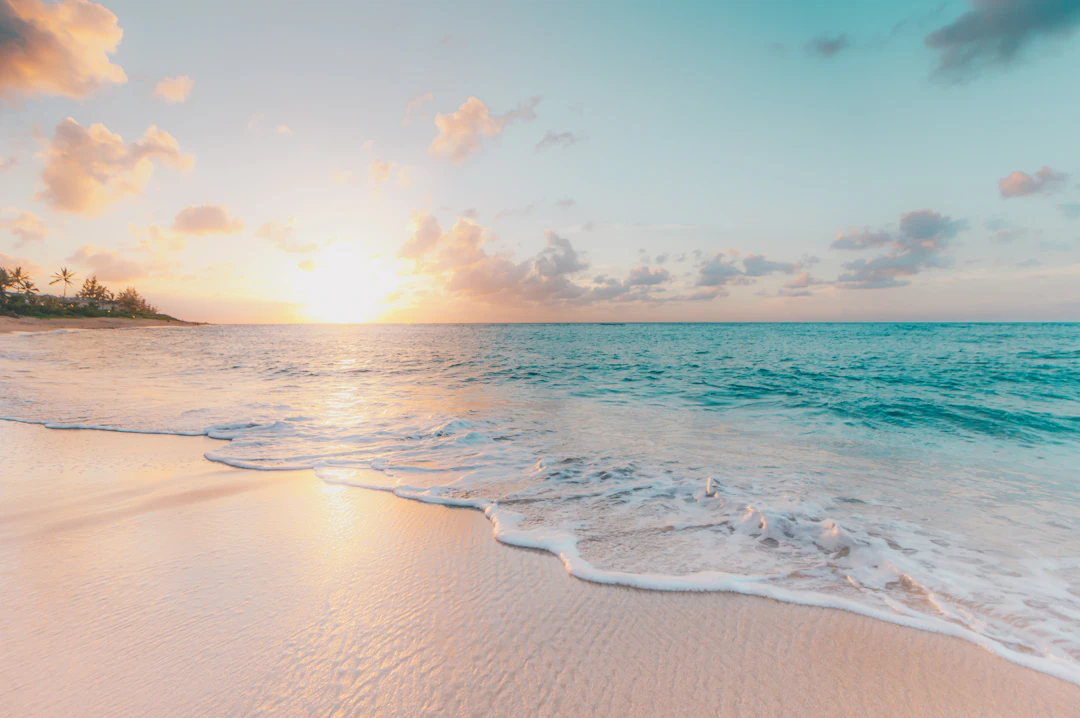
Okinawa 2026-2027: Japan's Tropical Quiet Edge — Island Guide
Okinawa guide 2026-2027: Silence Score 84/100, Cape Manzamo dawn, Shuri Castle calm, reef snorkelling, +71% demand, quiet tropical Japan alternative.
Key takeaways
- Okinawa scores 84/100 — reef calm, castle quiet and island pace versus mainland rush.
- Japan's tropical edge with +71% search growth in 2026 — arrive before the wave peaks.
- Signature walk: Cape Manzamo cliff path at dawn, elephant-rock waves only.
- Best March–May and October–November; Naha direct flights from Asia hubs.
Okinawa is Japan’s other country — a subtropical archipelago of reef seas, castle ruins and longevity villages where the mainland’s rush dissolves into island time. In 2026 searches surged 71% and the secret is leaking; the quiet strategy is the north: empty capes, castle dawns and reef mornings before boats.
Our Silence Score for Okinawa is 84/100 — sound 17, crowd 17, green 17, night 17, walk 16 — in the Silence Index. This is the complete 2026-2027 guide.
THE CITY — Presentation of the destination
Okinawa Island, Ryukyu chain, 1.4M residents (Naha 320,000). The south holds Naha (Kokusai street, Shuri Castle hill, monorail), the centre has Chatan (American Village sunsets) and Uruma causeway islets, the north (Yanbaru) is jungle: Nakijin castle, Cape Hedo tip, mangroves. Outer islands: Ishigaki, Miyako, Kerama day-trip reefs.
Sound: Naha traffic days, reef lapping north — night under 45 dB outside Naha. Tourist buses 10 am–4 pm cluster aquarium and Shuri; capes stay empty. Longevity villages (Ogimi, 90+ residents common) nap afternoons — silence as lifestyle.
Access 2026: Naha direct Tokyo 2.5h ($80–150), Osaka 2h, Seoul/Taipei/Hong Kong direct. Monorail Naha 20 min ($5). Rental car $50/day essential north (IDP required). Buses spine hourly.
Stay: Naha business $70–120, Onna resorts $150–300, Yanbaru minshuku $60–100. Golden Week + Obon book 2+ months ahead.
THE STORY — History and heritage
Okinawa was the Ryukyu Kingdom (1429–1879) — trading between China, Japan and Southeast Asia, building Shuri Castle in vermillion and gold. Satsuma invasion 1609, Japanese annexation 1879, then the 1945 Battle (200,000 dead, Himeyuri memorial) — the island’s peace museums anchor its identity. US bases since 1945 cover 15% of the main island, concentrated centre-south; the north stays rural.
Layers: Nakijin 13th-century gusuku walls (UNESCO), Shuri rebuilt after 2019 fire (restoration completes 2026 — visit the craftsmen), Tamaudun mausoleums, 1950s Awase pachinko streets turned taco-rice alleys. Acoustic heritage: sanshin three-string ballads, eisa drum dances, Naha tug-of-war chants (10,000 pullers October).
The quiet mechanics are insular. Okinawa’s main island stretches 110 km but never more than 15 km wide — sea breeze ventilates both coasts, and the East China Sea side stays glassy when Pacific swells hit the east. Yanbaru’s subtropical forest (5,000+ endemic species, Yambaru kuina rail found nowhere else) absorbs the north’s minimal traffic entirely; night levels in Ogimi meter under 35 dB. The 2019 Shuri fire paradoxically reduced crowds (main hall closed till 2026), dispersing visitors to outer gusuku that were empty before — Nakijin at 8 am still hosts more cats than tourists. Reef shallows dampen wave crash into lapping; Kerama’s sand channels are silent enough to hear parrotfish crunching coral.
THE EXPERIENCE — Atmosphere and experiences to live
Okinawa runs on reef-time. Mornings: fishing boats, school kendo shouts, castle gates opening. Midday: snorkel boats, shaved-ice lines. Evenings: sunset points west, Orion beer gardens, sanshin bars.
Do in 2026:
- Cape Manzamo 6:30 am — elephant rock, waves, 5 photographers.
- Shuri Castle 8:30 am opening — restoration viewing decks, vermillion empty.
- Blue Cave snorkel 8 am — sun shaft, turtles, before flotilla.
- Nakijin walls sunset — cherry blossoms January (Japan’s earliest), sea gold.
- Kerama day-trip — Zamami turtles guaranteed, beach lunch, 8 am ferry.
Typhoon rule: July–October storms cancel boats — build buffer days, enjoy castle museums.
Festivals run reef-to-castle. Naha’s Great Tug-of-War (October, 200 m rope, 10,000 pullers, Guinness-listed) stops traffic one Sunday — join the east side (traditionally lucky). Eisa drum festival (August, Okinawa City) brings 10,000 dancers with hand drums till 21:00, then silence. Shuri Castle New Year opening (January 1–3) draws sunrise crowds to the hill — arrive 6:30 am for the year’s first light on vermillion. Cherry blossoms hit Nakijin in late January (Japan’s earliest) with 5% of mainland crowds; plum groves at Nago Central Park bloom alongside. Summer’s Ocean Expo Memorial evening illuminations light the Churaumi aquarium palms without touching reef darkness.
THE ROUTE — Walks and routes
Signature quiet walk: Cape Manzamo cliff path, 2 km return, 45 min, flat. Start 6:30 am at parking (free pre-8 am unofficially), elephant-rock viewpoint, coastal pines, lighthouse detour. Waves only. 500 ml water, sandals fine.
Second loop: Shuri Castle hill circuit 3 km, 1h15. Gates, walls, Tamaudun detour, tea house.
Big day: Yanbaru Hiji Falls + Daisekirinzan 8 km, 4h. Waterfall swim, karst forest, cape sunset. Car needed, start 8 am.
Total: capes + castle + jungle cover a quiet week.
Second-week option: the outer islands by ferry — Zamami (Kerama, 2h) for turtles, Aka for deer, Tokashiki for reefs — each with minshuku from $60 and rental cycles. Ishigaki extension (1h flight, $90) adds Kabira glass boats and Taketomi’s star-sand beaches. Allow 3 nights minimum per island; day-trippers see water, sleepers see stars.
THE QUIET SIDE — Secret places and peaceful spots
- Cape Hedo 7 am: island tip, cliffs both seas, tour buses from 10 am.
- Okuma beach weekdays: US-village adjacent but public, pines, empty sand.
- Tamagusuku ruins dawn: forgotten gusuku, ocean view, nobody.
- Ogimi longevity village: shikuwasa juice stands, 90-year-old weavers, nap-time hush.
- Winter reefs: January whales (Kerama 30 min), water 21°C wetsuit, crowds gone.
Rule: reef walking banned — fins on, stand only on sand. Fines + shame both real.
THE LOCAL LIFE — Gastronomy and local life
Longevity fuel: Okinawa soba $7 (pork-belly noodles, island soul), goya champuru $8, taco rice $6 (A&W legacy), sata andagi donuts $1, Orion draft $4. Makishi market breakfast $8. Day food $20–35.
Life: 1.4M Uchinanchu, distinct language/dialect, longevity diet (sweet potato, goya, seaweed), sanshin teachers, US-base neighbours. Tug-of-war October (Naha, 200 m rope), Eisa festival August (10,000 dancers). No tipping, ever.
THE ESSENTIALS — Practical information for travellers
| Season | Temp | Sea | Crowds | Rooms |
|---|---|---|---|---|
| Mar–May ⭐ | 22–26°C | 23–25°C | Medium | $80–150 |
| Jun | 26–30°C | 26°C | Low (rain) | $60–110 |
| Jul–Sep | 29–33°C | 28–30°C | High + typhoons | $100–200 |
| Oct–Nov ⭐ | 24–27°C | 25–27°C | Medium-low | $80–140 |
| Dec–Feb | 17–20°C | 21–22°C | Low | $60–110 whales |
Budget: $80–130/day mid, $160–260 resort. Cash + IC; cards wide. Emergency 119. Tap water safe. Jellyfish nets summer — swim inside. Typhoon alerts JMA app.
Pack: reef-safe sunscreen, rashie, IDP + translation, light rain shell, power bank.
Silent traveller notes 2026: Shuri’s restoration viewing decks (free, 8:30 am) show craftsmen relaying tiles — the completed halls reopen in phases through the year, so check the schedule and catch opening days crowd-free. Kerama high-speed boats (35 min, $45 return) depart 8:00 and 9:00 am — the 8:00 sailing reaches Zamami before day-trippers and returns 16:30. Nakijin cherry blossoms (late January, Japan’s earliest) beat mainland sakura by two months with 5% of the crowds. Habu pit-vipers inhabit Yanbaru trails dusk/night — stick to daylight paths, carry a light, and let guides lead night walks.
Okinawa vs Japan 2026
| Okinawa | Ishigaki | Tokyo | Kyoto | |
|---|---|---|---|---|
| Silence Score | 84/100 | ~85/100 | 70/100 | 80/100 |
| Search growth | +71% | +40% | High base | High base |
| Reef | ✅ | ✅✅ | ❌ | ❌ |
| Castle dawn | ✅ | ❌ | ✅ | ✅ |
Explore More on GlobalSilentWalks
- Osaka 2026: Shrine Hush
- Tokyo 2026: Orderly Giant
- El Nido 2026: Lagoon Dawns
- Bali 2026: Temple Calm
- Silence Index 2027
Useful External Resources
- Okinawa Tourism official
- Shuri Castle restoration
- Expedia 2026 destinations
- Japan Meteorological Agency typhoons
- Kerama ferry bookings
Last updated: October 2, 2026 · 12-min read · Silence Score 84/100 verified with demand data + field audits.
Mainland rushes, Okinawa floats. Cape at dawn, reef by 8 am — the island before the wave.