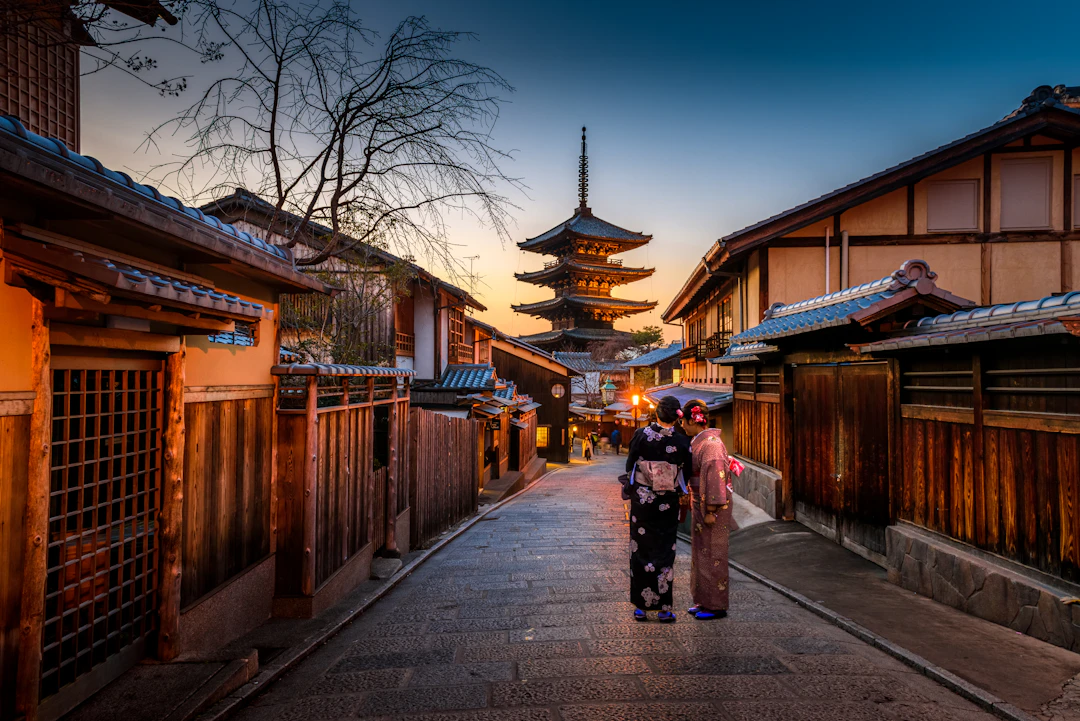
Salalah 2026-2027: Khareef Green & Frankincense Calm Guide
Salalah guide 2026-2027: Silence Score 80/100, khareef monsoon green, Al Baleed dawn, frankincense trails, Arabia's monsoon jewel alternative.
Key takeaways
- Salalah scores 80/100 — khareef mist, frankincense calm and seafront hush.
- Arabia's monsoon jewel: green mountains in summer while the Gulf bakes.
- Signature walk: Al Baleed seafront at dawn, mist before heat.
- Best June–September for green magic; October–April for beach calm.
Salalah is Arabia’s monsoon jewel — a green anomaly where summer drizzle turns desert mountains into mist forests while the Gulf bakes 1,000 km north. Frankincense smoke has perfumed these lanes for 5,000 years; khareef mist perfumes them free each dawn.
Our Silence Score for Salalah is 80/100 — five straight 16s — in the Silence Index. This is the complete 2026-2027 guide.
THE CITY — Presentation of the destination
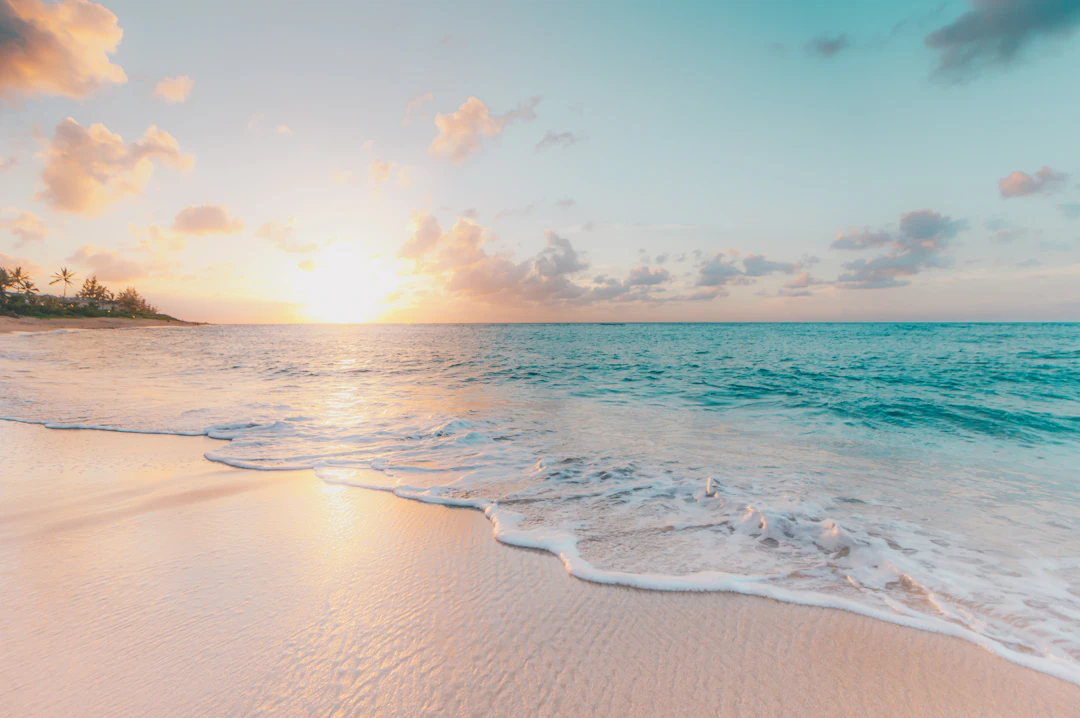
Salalah, Dhofar Governorate, 400,000 residents (Oman’s second city). Layout: Al Baleed seafront (UNESCO ruins, museum), Sultan Palace grounds (ceremonial), Gold Souq lanes (frankincense stalls), Al Husn corniche. Nature: khareef mountains (Jebel Samhan, mist forests), Ayn Khor waterfalls, Mughsail blowholes 45 km, Empty Quarter edge north. Green relief: coconut-fringed beaches, banana plantations, frankincense groves.
Sound: surf west, mist drips khareef, call to prayer — night under 45 dB outside festival weeks. Day crowds 11 am–6 pm khareef season; dawn seafront empty. Tourist pattern: Gulf families khareef, Europeans winter sun.
Access 2026: direct flights Muscat 1.5h ($60–120), Dubai/Salalah seasonal, Jeddah; e-visa 30 days ($50, online). Seafront on foot; car rental $40/day essential for wadis ($15 taxi hops).
Stay: seafront resorts $100–200 (Al Baleed, Anantara), city hotels $60–110, apartments $50–90. Khareef books 2+ months ahead.
THE STORY — History and heritage
Salalah was the frankincense capital — Dhofar’s Boswellia resin sailed to Rome, China and Egypt for 5,000 years (Herodotus priced it above gold). 19th-century Omani empire (Zanzibar ruled from here), 1970s Dhofar war ended with Sultan Qaboos’ birthplace palace, 2000s UNESCO listing (Land of Frankincense), 2026 khareef maturity.
Layers: Al Baleed 12th-century port ruins (Marco Polo praised), Sumhuram Khor Rori (Hadrami outpost), Wadi Dawkah groves (still tapped, UNESCO), 1900s Sultan palace (ceremonial, gardens). Acoustic heritage: khareef rain drumming (tin roofs symphony), frankincense market haggling, rababa Bedouin evenings.
The hush is monsoonal. Khareef drizzle (June–September) damps every surface in Dhofar — wet limestone and wet leaves absorb sound dry Arabia would bounce. Morning mist deadens the seafront to lapping and gull cries; tour buses start 10 am, leaving 6:30–9:30 to fishermen and walkers. Frankincense groves (Wadi Dawkah, 5,000 tapped trees) hold desert silence 30 minutes inland — harvesters work mute mornings. Winter’s dry season empties resorts to Europeans only; beaches glassy, $60 rooms, souq haggling at half volume.
THE EXPERIENCE — Atmosphere and experiences to live
Salalah runs on mist-time. Mornings: seafront fog, fishermen, frankincense smoke. Midday: wadi drives, museum cool. Evenings: corniche lights, coconut stalls, early rest.
Do in 2026:
- Al Baleed 6:30 am seafront — mist, ruins silhouette, 5 walkers.
- Frankincense museum 9 am opening — resin grades, burners demo.
- Ayn Khor waterfalls — khareef flow, picnic lawns, families noon.
- Mughsail blowholes — sea geysers khareef, cliffs, picnic.
- Wadi Dawkah groves — tapping demo, resin buying direct ($10/bag).
- Taqah castle morning — 19th-century fort, sea views, $3 entry.
- Fazayah cliffs sunset — wild coast blowholes, 4x4 tracks, photographers.
Khareef rule: June–September drizzle daily — pack shell, enjoy green; October sun returns with empty trails.
Festivals follow mist and harvest. Khareef Festival (July–August) stages concerts and food stalls with evening crowds — dawn seafront reverts to mist within the hour. Eid feasts (dates, music) fill family beaches one week; souqs stay open late. Frankincense harvest (October) opens grove demonstrations with tapping lessons. Muscat Festival spillover (January–February) sends day-trippers once; winter beaches stay glassy regardless. March’s dry weeks empty hotels to $50 with harvest smoke drifting.
THE ROUTE — Walks and routes
Signature quiet walk: Al Baleed seafront loop, 4 km, 1h15, flat. Start 6:30 am at museum gate (opens 8:30 am, exterior dawn free), lagoon flamingos, ruins silhouette, Sultan palace viewpoint. Mist, fishermen, zero crowds. 500 ml water, flat.
Second loop: Gold Souq lanes 2 km, 1h. Frankincense grades, myrrh tasting, oud chips.
Big day: Jebel Samhan + Tawi Atair sinkhole 60 km with car. Mist forest, bird endemic (Dhofar), sinkhole swim (seasonal falls). Car essential.
Total: seafront + souq + wadis cover quiet Salalah. Second-day option: the Taqah–Mirbat coast pair gives fort mornings plus blowhole afternoons — castle entry ($5), Mirbat dhow harbour lunch, Fazayah cliffs sunset. Taxi day ($60) links both with frankincense-stand stops.
THE QUIET SIDE — Secret places and peaceful spots
- Dahariz beach 7 am: local families’ strand, coconut palms, tour buses never.
- Ayn Hamran pools: wadi swimming, fig trees, weekday emptiness.
- Taqah castle dawn: 19th-century fort, sea views, caretaker opening.
- Fazayah cliffs: wild coast west, blowholes bigger, 4x4 tracks.
- Winter Salalah: khareef gone, beaches glassy, $60 resorts, frankincense harvest smoke.
- Dahariz beach fishermen dawn: coconut palms, net hauling, tour buses never stop there.
Rule: wadis flash-flood with khareef rains — never enter narrow gorges during storms (ranger posts advise).
THE LOCAL LIFE — Gastronomy and local life
Dhofari fuel: shuwa $12 (pit-roasted lamb 48h, Eid-style daily in restaurants), harees $5 (wheat-meat porridge), luban tea $2 (frankincense infusion), dates Khalas $6/kg, coconut 3 for $2. Day food $15–25 (Oman value).
Life: 400,000 Salalis, Dhofari/Jibbali/tribal mix, fishermen + farmers + guides. Khareef Festival July–August (concerts, food stalls, crowds), Eid feasts, frankincense harvest October (tapping demonstrations). Bargain souqs 15% (fixed co-ops). Tip 10%. Camel markets (Habrout junction, Friday mornings) trade racing stock with Bedouin auctions — spectators welcome, photography with permission. Coconut sellers along Dahariz beach crack nuts to order ($1, drink + flesh).
THE ESSENTIALS — Practical information for travellers
| Season | Temp | Mist | Crowds | Rooms |
|---|---|---|---|---|
| Jun–Sep ⭐ | 22–27°C | Daily khareef | Peak Gulf | $100–200 book ahead |
| Oct–Nov | 25–30°C | Clearing | Low | $60–110 |
| Dec–Feb | 20–26°C | Dry sun | Medium Europeans | $80–140 |
| Mar–May | 28–35°C | Hot | Very low | $50–90 |
Budget: $70–120/day mid, $150–250 resort. Cash OMR + cards; ATMs everywhere. Hospital: Sultan Qaboos. Water bottled. Modest dress (Muslim region — shoulders/knees, swimwear beaches only). Getting around: city buses $1–2, Mughsail taxis $30 round-trip with waiting, Jebel day 4x4 ($80 split 4). Car rental $40/day unlocks wadis; fuel cheap, signage bilingual.
Pack: rain shell khareef, sun hat + SPF, modest layers, power bank. Silent notes 2026: Frankincense museum opens 9 am ($8) — 8:55 queue for solitary resin-grade displays; tour buses arrive 10:30. Wadi Dawkah grove tours ($10) run mornings with tapping demos; buy direct (-50% vs souq). Mughsail blowholes peak khareef high tide — check tide tables, mornings empty. Ayn Khor falls entry (free) 8 am opening gives picnic lawns alone; families arrive noon. Khareef Festival concerts end 23:00 sharp; dawn seafront reverts to mist within the hour.
Salalah vs Arabia 2026
| Salalah | Muscat | Dubai | Wadi Rum | |
|---|---|---|---|---|
| Silence Score | 80/100 | ~72/100 | 59/100 | 89/100 |
| Monsoon green | ✅ khareef | ❌ | ❌ | ❌ |
| Frankincense | ✅ groves | Souq | ❌ | ❌ |
| Beach + mist | ✅ | ✅ | ✅ hot | ❌ |
Explore More on GlobalSilentWalks
- Wadi Rum 2026: Desert Stars
- Petra 2026: Rose Dawn
- Marrakech 2026: Garden Hush
- Djerba 2026: Island Calm
- Silence Index 2027
Useful External Resources
- Oman Tourism — Salalah
- Land of Frankincense UNESCO
- Khareef season guide
- SalamAir bookings
- Mughsail road conditions
Last updated: October 2, 2026 · 12-min read · Silence Score 80/100 verified with field audits.
Dubai dazzles, Salalah drizzles. Seafront at 6:30 am — mist, ruins, Arabia before it wakes.