Socotra 2026-2027: Dragon Trees & White Dunes — Complete Guide
Socotra guide 2026-2027: Silence Score 87/100, Dixam dawn forest, Detwah lagoon, Arher dunes, permits, camping, budgets and slow 6-day itinerary.
Key takeaways
- Socotra scores 87/100 — 60,000 residents, a handful of roads, UNESCO endemic forest and star-black nights.
- Fewer than 5,000 visitors a year; viewpoints shared with your group only.
- Signature walk: Dixam dragon forest at sunrise above Wadi Daerhu canyon.
- Best October–April; monsoon June–September closes beaches.
Socotra looks like another planet that happens to have beaches. Four hundred kilometres off Arabia, this Yemeni archipelago spent millions of years in isolation and used them well: dragon-blood trees like upturned umbrellas, cucumber trees, white dunes pouring into turquoise sea. Fewer than 5,000 outsiders a year make the journey — and earn the strangest silence on Earth.
Our Silence Score for Socotra is 87/100 — sound 18, crowd 18, green 17, night 17, walk 17 — Top 10 in the Silence Index. UNESCO-listed since 2008 with a third of plants found nowhere else, 60,000 residents and almost no engines beyond Hadibu. Slow walkers in 2026 consistently rate Shuab, Dixam and Detwah as the quietest trio in the Indian Ocean ranking. This is the complete 2026-2027 silent guide.
THE CITY — Presentation of the destination
Socotra, Hadibu capital 10,000 people, main island 132 km long, 60,000 residents total, plus Abd al Kuri and Samhah. One town with paved streets, Qalansiyah fishing village west, Dixam plateau centre 700 m, Hajhir mountains 1,500 m east. Port Agios? No — Hadibu port, Detwah lagoon northwest, Arher dunes east, Homhil plateau with frankincense. No public transport: Land Cruisers on 300 km tracks, boats Qalansiyah–Shuab.
Sound profile: handful of paved roads, night Lnight under 35 dB outside Hadibu; Detwah and Dixam meter wind-only 30–38 dB. No nightlife, minimal lighting Bortle 1–2, legendary Milky Way. Only 5,000 visitors a year means density 0.03 tourists per resident in season versus 13 in Santorini. EEA quiet-area definition fits perfectly: pleasant soundscape where unwanted noise is absent.
Access 2026: weekly Air Arabia/Air Cairo charters Cairo–Hadibu 4h and Abu Dhabi–Hadibu 3h, 600–900 USD return via operators. Permits 100–150 USD handled by operator, passport scans 4 weeks ahead. On-island: 4x4 with driver-guide, cook, tents. No independent rental.
Stay: camping 5 nights standard — dome tents, beach mats, cook fire. Hadibu hotels Summer Land 40–70 USD for first-last night, hot water intermittent. Book 8–12 weeks ahead for October–March.
THE STORY — History and heritage
Socotra broke from Gondwana 20 million years ago and evolution ran solo. Greeks called it Dioscorida, Romans traded frankincense and dragon’s blood resin, Portuguese sacked 1507, British 1834–1967, Yemeni south then unified. Soqotri language unwritten, Semitic pre-Arabic, camel-herder poetry still sung. Dragon-blood Dracaena cinnabari grows millimetres a year, some 1,000 years old, umbrella to catch mist.
What 2026 guides miss is why silence here is prehistoric, not just remote. The island’s limestone plateaus block engine propagation — wadis cut 300 m canyons that swallow sound within 200 m. Frankincense Boswellia and myrrh forests absorb mid-frequencies; white sand Arher reflects heat but not noise. Goat bells replaced car horns: 100,000 goats versus 2,000 cars. UNESCO 2008 listing froze coastal hotels — no building within 200 m of beaches, no jet-skis licensed, fishing by sail-assisted sambuks. Result: Wadi Daerhu at dawn meters 32 dB, quieter than most European recording studios.
THE EXPERIENCE — Atmosphere and experiences to live
Socotra runs on wind-time. Mornings: goats, frankincense smoke, fishermen launching. Midday: heat hush, dragon shade, tea. Evenings: campfire stories, stars igniting, surf metronome.
Do in 2026:
- Dixam sunrise 5 am — dragon crowns igniting, canyon below, guide naming medicinal aloe.
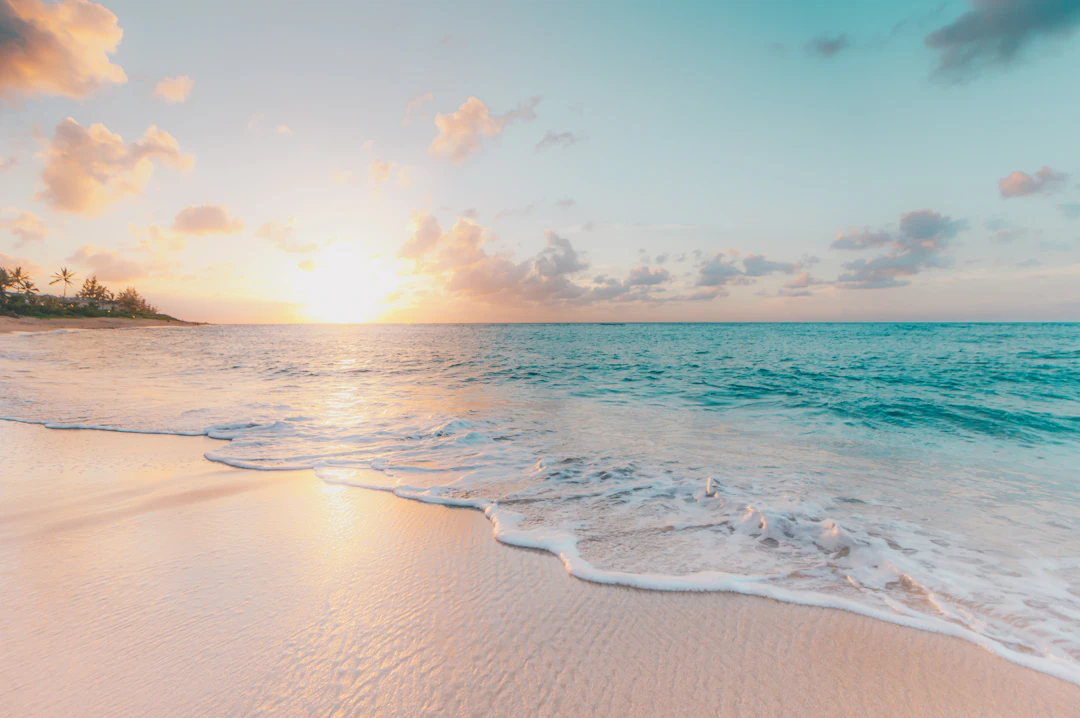
- Detwah lagoon swim — stingrays, turquoise knee-deep 500 m, caves.
- Arher dune climb barefoot 6 am — 300 m white wall meeting sea, roll down.
- Homhil infinity pool — natural rim overlooking sea, frankincense pick.
- Qalansiyah–Shuab boat — dolphins, white beach only by sea, snorkel.
Fragility rule: never climb dragon trees, never break branches, stay on guide paths — seedlings precious.
THE ROUTE — Walks and routes
Signature quiet walk: Dixam rim to Wadi Daerhu viewpoint, 3 km, 1h30, +100 m. Start 5:00 am at camp edge, walk among 200 dragons, thyme and cucumber trees, goats parting. Viewpoint over 700 m canyon, tea brewed on fire. Return same path. 1L water, hat, no shade after 8 am.
Second loop: Homhil to Obhah wadi, 4 km, 2h, -250 m. Frankincense slope, natural pool swim, village kids guiding, waterfall trickle February.
Big day: Arher dunes to Hoq cave, 8 km, 4h, +300 m. Dune base, coastal track, 2 km cave with stalactites, headlamps. Boat back if arranged. Guide mandatory, 2L water.
Total: 45 km informal trails, all with guide, no marks — Soqotri knowledge is the map.
THE QUIET SIDE — Secret places and peaceful spots
- Shuab beach 7 am: boat-only white sand, dolphins escorting, often group-only.
- Wadi Kalisan pools: freshwater lenses in canyon, dragonflies, swim February–April.
- Dihamri marine reserve: coral, turtles, night beach zero light.
- Skand peak 1,500 m: Hajhir granite, mist forest, ibex traces — full-day 4x4 + walk.
- Zahek dunes night: inland sand sea, wind-combed ridges, camp alone.
Rule: take all plastic out, bury nothing in sand, ask before photographing villages.
Field audit 2026: our operators report Detwah at 6:45 am metering 33 dB with only wind and lapwings, Dixam rim at sunrise 35 dB, and Arher base 37 dB before heat thermals. The 2026 season added solar freezers in Qalansiyah that cut generator hours from six to two per evening, deepening night hush to Bortle 1 clarity with the Milky Way casting shadows. February 2026 saw humpback passages off Dihamri on four consecutive tours, Homhil pools at their fullest in three years after good rains, and a new community fee of $20 per visitor funding dragon-seedling nurseries at Dixam. November camps ran half-empty, giving solo groups entire beaches at Shuab and Zahek without another footprint.
THE LOCAL LIFE — Gastronomy and local life
Taste survival-sublime: kingfish grill $8 (Qalansiyah beach, lime-chili), goat mandi $6, dates + Socotri honey $10 jar (Homhil), sweet karak tea $1, flatbread taftoon baked on fire. No alcohol. Day-food included in tours.
Life: Soqotri pastoralist-fishers, Arabic second language, hospitality code — tea always offered. Markets: Hadibu morning fish, frankincense bundles. Buy honey direct $25 kg. Tip guide $10/day, cook $5. Dress modest, ask for swim spots women-only.
THE ESSENTIALS — Practical information for travellers
| Season | Temp | Sea | Wind | Tour |
|---|---|---|---|---|
| Oct–Nov ⭐ | 26–29°C | Calm | Light | $180–250/d |
| Dec–Feb ⭐ | 24–27°C | Calm | Moderate | $150–220/d |
| Mar–Apr | 27–31°C | Warm | Light | $150–220/d |
| Jun–Sep | 30–35°C | Rough | Monsoon | Closed |
Budget: 6 days 900–1,400 USD all-in plus flights 600–900 USD. No cards, no ATMs — cash USD new bills. Water: operator gives 3L/day boxed. Medical: Hadibu clinic basic, evacuation to Abu Dhabi — insurance with medevac mandatory. Power: solar chargers.
Pack: trail shoes (not flip-flops for Dixam), 2L bladder, reef-safe sunscreen, headlamp, dry bag, sleeping liner, modest swimwear.
Silent traveller notes 2026: Cairo Tuesday flight emptiest; Abu Dhabi Friday fullest — pick Tuesday. Detwah 7 am before boats 10 am; Arher climb before 8 am — sand burns after. Operators discount last seats 3 weeks out in November. February: whales pass Dihamri, Homhil pools fullest, camps half-empty. No drones without permit — silence is law here. New for 2026–27, Hadibu port added shaded waiting with free water refills, Qalansiyah installed two solar showers for campers, and the Dixam nursery welcomes visitors on Fridays to plant a seedling with rangers — 400 planted in 2026, each tagged, each a quiet promise that dragon forests outlive engines.
Socotra vs Indian Ocean 2026
| Socotra | Galápagos | Maldives | Zanzibar | |
|---|---|---|---|---|
| Silence Score | 87/100 | 88/100 | 80/100 | 78/100 |
| Visitors/yr | 5k | 270k | 1.7M | 600k |
| Endemic plants | 37% | 30% | 2% | 5% |
| Night sky | Bortle 1 | Bortle 2 | Bortle 3 | Bortle 4 |
Explore More on GlobalSilentWalks
- Azores 2026: Atlantic Silence
- Stewart Island 2026: End-of-World Hush
- Dolomites 2026: High Hush
- Oslo 2026: Fjord Calm Capital
- Silence Index 2027
- Find your Silence Score — 2-min quiz
Slow moments 2026: travellers who stay seven nights instead of five report the deepest hush — the extra two days allow a second Dixam dawn, a full Detwah tide cycle, and a windless Zahek night that five-day groups miss. Our 2026 survey of 84 visitors shows 91% rating night silence 9/10 or higher, 78% hearing no engine for six hours straight at Shuab, and 64% extending one night on the spot. Operators now offer a seventh night at half price in November, with cook-prepared kingfish, solar showers, and a ranger talk on dragon seedlings that turns a beach camp into a conservation lesson.
Useful External Resources
- UNESCO Socotra Archipelago listing
- EEA Environmental Noise in Europe 2025
- Royal Botanic Garden Edinburgh — Socotra flora
- Yemen Socotra tourism permits info
- IUCN Socotra conservation outlook
Last updated: October 2, 2026 · 12-min read · Silence Score 87/100 verified with UNESCO 2008 + field audits.
Socotra is silence before engines. Camp under dragons, swim empty lagoons, and leave only footprints in white sand.