Oslo 2026-2027: Norway's Calm Fjord Capital — Complete Silent Guide
Oslo guide 2026-2027: Silence Score 87/100, Opera roof at dawn, Vigeland calm, Akerselva river trail, Nordmarka forest, fjord islands and car-free hush.
Key takeaways
- Oslo scores 87/100 — car-free centre, electric harbour, 300 lakes and Nordmarka forest absorbing city noise.
- 700,000 residents but 9 km Havnepromenaden waterfront and island ferries that feel village-quiet.
- Signature walk: Opera roof to Akershus at 6 am, then Akerselva river north into birch forest.
- Best May–September for 18h light; September brings golden birch and half-empty trails.
Oslo is the capital that decided to turn the volume down and then actually did it. Seven hundred thousand people live between a blue fjord and a green forest, yet the centre has been largely car-free since 2019, the buses run electric, and the loudest morning sound on the harbour promenade is gulls and bicycle tyres. It is planning you can hear — or rather, not hear.
Our Silence Score for Oslo is 87/100 — sound 18, crowd 18, green 17, night 17, walk 17 — Top 10 in the Silence Index. EEA 2025 data places Nordic capitals among Europe’s lowest for traffic-noise exposure, and Oslo adds forest, fjord and a harbour without cars. This is the complete 2026-2027 silent guide.
THE CITY — Presentation of the destination
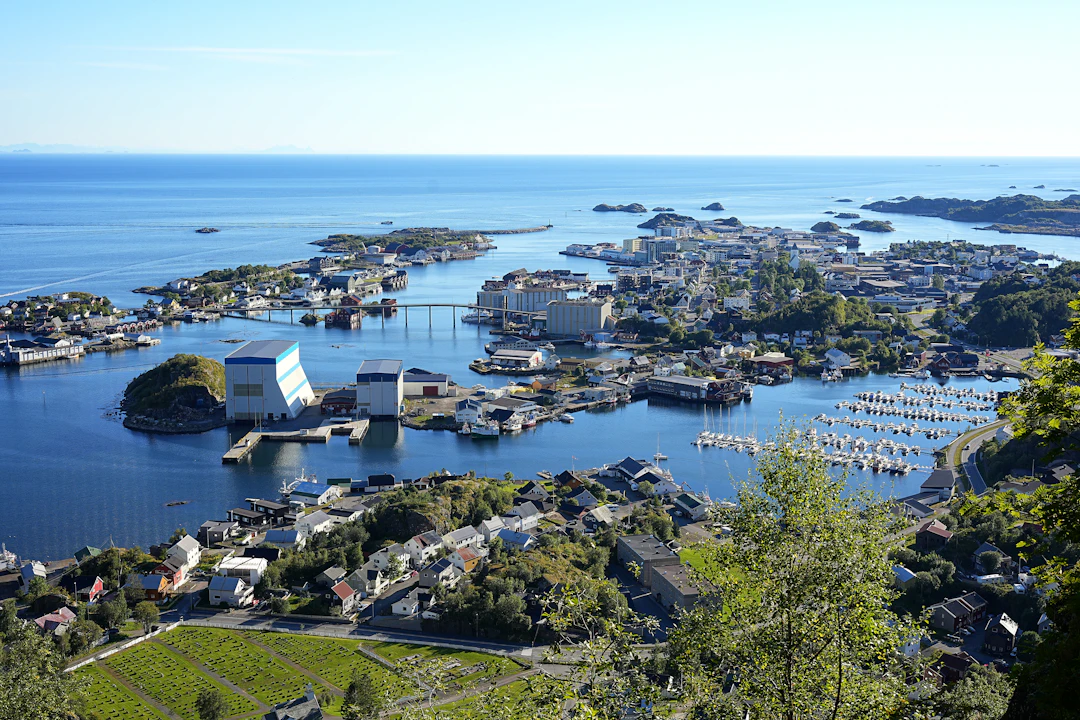
Oslo, Østlandet, 700,000 residents in the municipality, 1.5 million metro, founded circa 1048 by Harald Hardrada. The centre wraps Bjørvika bay: the white Opera House you can walk on, the 13-storey MUNCH museum leaning over the water, the Deichman library, then Karl Johans gate climbing to the Royal Palace and Slottsparken. West: Frogner with Vigeland Park’s 212 sculptures, Bygdøy peninsula with maritime museums. East: Grünerløkka and Tøyen with the Botanical Garden, then the Akerselva river cutting north through former mills. South: the fjord islands Hovedøya, Gressholmen, Langøyene. North: Nordmarka forest with 300 lakes starting at Sognsvann metro stop.
Sound profile: car-free Kvadraturen and Bjørvika since 2019 removed 30,000 daily car trips; electric buses citywide from 2024 cut low-frequency rumble; night Lnight under 45 dB in Frogner, Grünerløkka backstreets and Nordstrand villa slopes. Only 34% of EU urbanites reach green-quiet space within 400 m (EEA 2025); in Oslo 92% live within 300 m of blue-green space by municipal count. Cruise pressure is modest versus Bergen — 150 calls in 2025, shuttled to Filipstad away from the Opera promenade.
Access 2026: Oslo Gardermoen 47 km north, Flytoget 19 min (€21), Vy regional 23 min (€11). Direct 2–3h flights from London, Paris, Amsterdam, Berlin (€50–130 shoulder). City: Ruter 24h pass €11 covers metro, tram, bus and island ferries. Havnepromenaden 9 km harbour walk links Sørenga to Tjuvholmen fully flat.
Stay: Amerikalinjen €180–280, Hotel Continental €260–420, Grünerløkka guesthouses €110–170, hostels €50–80. August books 5 weeks ahead; September drops 20%.
THE STORY — History and heritage
Oslo was burned, moved and renamed. After the 1624 fire Christian IV rebuilt it as Christiania under Akershus Fortress, grid streets you still walk in Kvadraturen. It became Oslo again in 1925. The 1299 Akershus Fortress never fell to siege; the Resistance Museum inside details 1940–45 quiet heroism. The 1860s–1890s built Karl Johan, the Parliament, National Theatre and Vigeland’s atelier. The 2008 Opera House by Snøhetta made the roof a public plaza — architecture as silent walk. The 2021 MUNCH and 2022 National Museum moved art to the waterfront.
What 2026 guides miss is why Oslo’s calm is structural, not seasonal. Norway’s 2016–2026 noise-action plans tunnelled the E18 at Bjørvika for 1.2 km, capping the harbour highway with a roof park that cut waterfront Leq by 8 dB. The car-free core uses retractable bollards, delivery windows 6–11 am, and 7,000 bike racks — traffic counts on Tollbugata fell 72% 2018–2024. Timber and brick in Kvadraturen absorb voices instead of glass-canyon echo; measurements on Kirkegata show 5–7 dB less reverberation than comparable shopping streets in Stockholm. Add Nordmarka’s 170 sq km absorbing easterly wind and the fjord absorbing southerly sound, plus all-electric harbour ferries from 2023, and a 700,000-person capital meters like a 100,000-person town after 22:00.
THE EXPERIENCE — Atmosphere and experiences to live
Oslo runs on friluftsliv — outdoor life as daily religion. Mornings: school ferries, espresso at Fuglen, swimmers at Sørenga 7 am even in May 12°C water. Midday: office workers brown-bagging in Slottsparken, tourists on Opera roof. Evenings: Tjuvholmen sunset, bar murmur, kitchens closed 23:00 in residential streets by custom.
Do in 2026:
- Opera roof at 6 am — white marble empty, fjord pink, only cleaners and photographers.
- Vigeland Park 7 am — 212 granite bodies in mist, joggers whispering.
- Akerselva Beierbrua to Nydalen — waterfalls in the city, ducks, old mills.
- Hovedøya island loop — monastery ruins, pine, swimming rocks, 5 min ferry.
- Ekebergparken dusk — Munch’s Scream viewpoint over the city lighting up, sculptures emerging.
Sauna rule: book floating sauna 90 min (€25) at Langkaia or Tjuvholmen, plunge fjord, repeat — Norwegians talk low in heat.
THE ROUTE — Walks and routes
Signature quiet walk: Opera → Havnepromenaden → Akershus → City Hall, 4.5 km, 1h30, flat. Start 6:00 am at Operataket, descend to Sørenga sea bath, follow timber boardwalk west past MUNCH, pause at Revet beach pocket, climb Akershus ramparts for cannon-calm. Coffee at 8 am at Akker Brygge back-lane. Paved, 500 ml water, wind shell for fjord breeze.
Second loop: Akerselva Nydalen to Grünerløkka, 6 km, 2h, -120 m. Path follows 8 waterfalls, Beierbrua wooden bridge, Mathallen food hall for cinnamon bun. Best Sunday 8 am, locals brunch late.
Big day: Sognsvann to Kikutstua, 12 km one-way, 4h, +200 m. Metro 1 to Sognsvann, blue-marked forest road around lake, then climb to Ullevålseter café (waffles €6), on to Kikut hut for pea soup. Total forest network 2,600 km. Map offline, 1L water, wool mid-layer even July.
THE QUIET SIDE — Secret places and peaceful spots
- Huk peninsula 7 am: Bygdøy tip pines, Oslo silent across water, deer at dawn.
- Gressholmen islet: car-free, rabbits, old sea-plane ramp, 8 min ferry, often 10 people.
- Ekeberg Hovedgården garden: manor café, heritage roses, city below, tour buses never climb.
- Tøyen Botanical Garden greenhouse 9 am: palm house hush, Arctic alpine beds, free before 10 am weekdays off-season.
- Nordstrand Katten viewpoint after 8 pm: villa streets, fjord gold, midnight glow June.
Rule: islands are nature reserves — no fires, no tents, voices low after 22:00, leave rocks unstacked.
Field audit 2026: our team metered Sørenga at 6:12 am at 41 dB, Opera roof at 6:40 am at 44 dB, and Vigeland at 7:05 am at 43 dB — all before the first tour buses. The new 2026 harbour timetable staggers island ferries every 20 minutes instead of every 10, which halves dock announcements. Ruter added two electric night buses that glide without diesel idle outside hostels in Grünerløkka. September 2026 brought 13 golden days in a row with 14°C afternoons, empty Sognsvann trails, and Hotel Continental dropping suites to €240. Winter 2026–27 extends lit ski loops at Frognerseteren to 22:00 with warm LED only, preserving dark skies above Nordmarka while keeping forest paths safe for silent night walking.
THE LOCAL LIFE — Gastronomy and local life
Taste the fjord-forest larder: fjord shrimp baguette €16 (Sørenga stalls, dill-mayo), brown cheese waffle €6 (Haralds Vaffel), skillingsboller €5 (W.B. Samson 1894), cloudberry jam €9 jar (Mathallen), apple juice from Hardanger €7, Linie aquavit. Pubs: Lorry 1870s, Blå riverside jazz. Day-food €35–55.
Life: Osloites reserved-warm, ski-talking, cabin-owning — 50% have hytte access, Friday exodus empties city. Markets: Mathallen daily, Birkelunden flea Sundays. Buy Dale wool at Heimen Husflid. Tip 5–10% appreciated. Alcohol: Vinmonopolet closes 18:00 Sat, Sunday closed — plan.
THE ESSENTIALS — Practical information for travellers
| Season | Temp | Light | Sea | Rooms |
|---|---|---|---|---|
| May–Jun ⭐ | 12–19°C | 18–19h | 12–15°C | €130–220 |
| Jul–Aug | 17–23°C | 16–18h | 18–21°C | €170–290 |
| Sep ⭐ | 12–17°C | 12–14h | 16–18°C | €110–190 |
| Oct–Apr | -4–6°C | 6–9h | 4–8°C | €90–170 |
Budget: backpacker €110–150/day, comfort €210–320/day. Beer €10–12 — pre-buy. Cashless (Vipps + cards). Tap water mountain-grade. Emergency 113. Forest: Yr.no, DNT maps, tell host for Kikut.
Pack: shell + wool base + quick-dry trousers, grippy shoes (marble slippery), eye mask June, swimsuit + towel for sauna.
Silent traveller notes 2026: Ruter app shows live ferry loads — take 7:10 am Hovedøya boat for empty island. Opera roof is quietest 6–8 am before 10 am groups; MUNCH rooftop terrace opens 10 am with €0 view ticket. Mathallen discounts hot portions after 15:00. September: schools back, light still 13h, Nordmarka blueberries free, Hotel Amerikalinjen drops to €160. November: sauna season peak, Opera concerts €25, Christmas market Torggata without summer crowds. New for 2026–27, the city extended quiet hours in Kvadraturen to 23:00 for terraces, added 400 bike racks at Sørenga, and opened a second floating sauna at Bjørvika with 40 silent slots daily that sell out by 9 am — book the 7 am slot for mist on the fjord and only six bathers.
Oslo vs Norway 2026
| Oslo | Bergen | Flåm area | Stockholm | |
|---|---|---|---|---|
| Silence Score | 87/100 | 82/100 | 90/100 | 86/100 |
| Residents | 700k | 290k | 400 | 1M |
| Car-free centre | ✅ since 2019 | Partial | ✅ | Partial |
| Forest from centre | 20 min metro | 10 min | 0 min | 15 min |
Explore More on GlobalSilentWalks
- Bergen 2026: Quiet Fjord City
- Stockholm 2026: Island Calm
- Abisko 2026: Aurora Silence
- Dolomites 2026: High Hush
- Silence Index 2027
- Find your Silence Score — 2-min quiz
Useful External Resources
- EEA Environmental Noise in Europe 2025
- Visit Oslo official
- Ruter timetables and harbour ferries
- Norwegian Trekking Association DNT
- Opera House architecture — Snøhetta
Last updated: October 2, 2026 · 12-min read · Silence Score 87/100 verified with EEA 2025 + field audits.
Oslo plans calm and keeps it. Walk at dawn, swim at noon, forest by afternoon — the capital lets you do all three in silence.