Bayonne 2026: A Guide to Silent Walks & Slow Travel
Discover Bayonne in 2026 with our ultimate slow travel guide. Explore the French Basque Country's charm, silent walks, and cultural gems.
Bayonne is where the Nive meets the Adour, ten minutes from the Spanish border. It’s the only city in France where Basque is the language people actually speak in the street, everything here is walkable, and the food is serious. It’s half the size of anywhere else you might have gone.
Why Bayonne on Foot
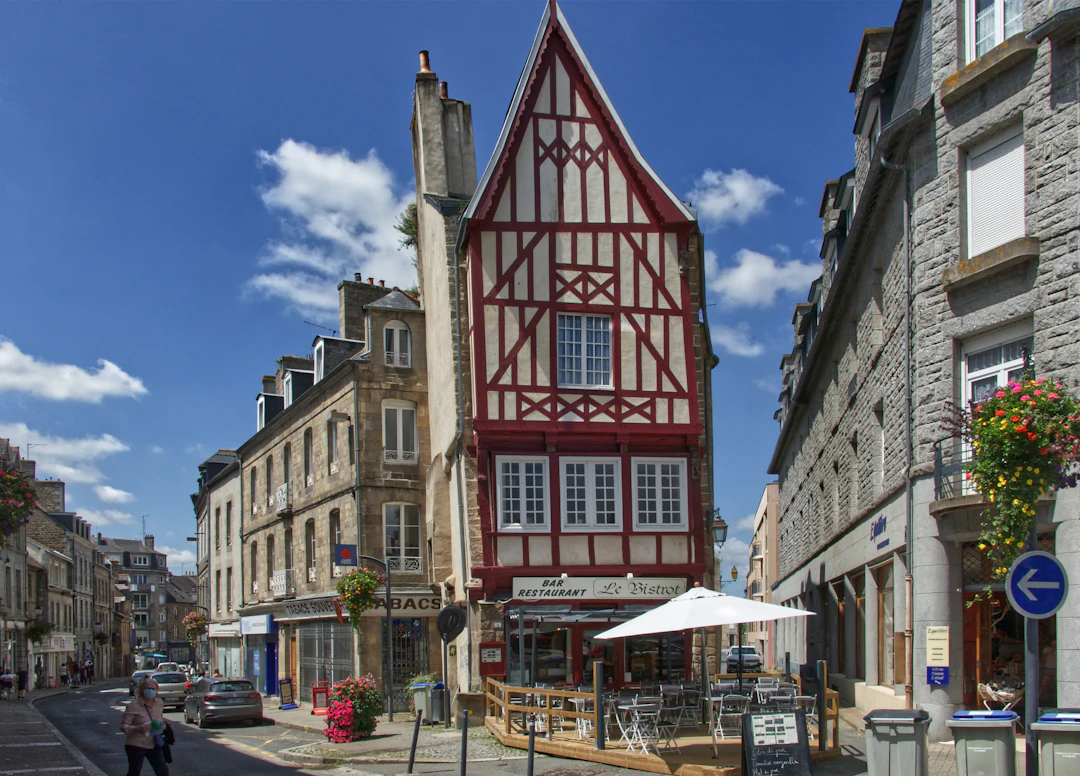
Because Grand Bayonne and Petit Bayonne are two different towns either side of the Nive, with Vauban’s ramparts over the old one and half-timbered houses in the other, and the bridge between them is the walk. Nothing here needs a bus.
It is also a good base: Biarritz is twenty minutes away, the coast at Anglet five, and the mountains at Cambo-les-Bains half an hour.
💡 Pro tip: Come for the Fêtes in early July and stay two days longer than planned. Or come in February, when the town is empty and the chocolate houses have no queue.
Ten things to do
1. The ramparts and Petit Bayonne. Vauban’s walls above Grand Bayonne, then down into the narrow streets of the old Basque town. The rampart walk is about forty minutes and free.
2. Sainte-Marie cathedral. A Gothic cathedral built on a river bend, with the glass and the cloisters, and it’s a UNESCO listing with the cathedral in Nevers. Go early: it is a working church.
3. The Musée Basque, on the river in Petit Bayonne, which is the single best way to understand the culture before you spend two days in it.
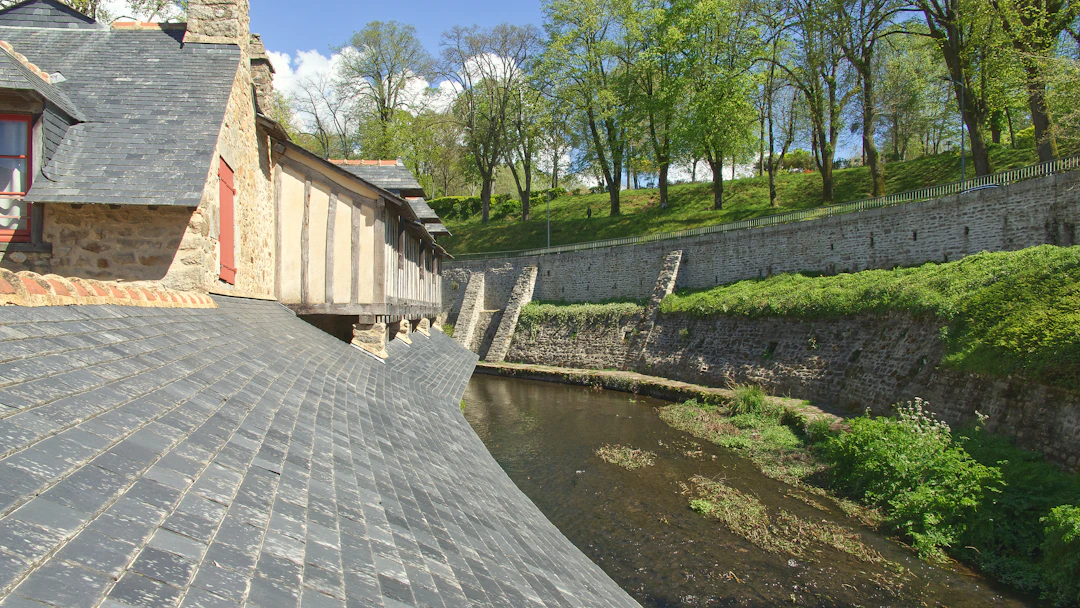
4. The botanical garden, a small municipal garden under the ramparts with a stream running through it. Twenty minutes of quiet.
5. The chocolate. Bayonne has been making chocolate since the 17th century, when it arrived through the port. There are makers all over the old town; most will give you a tasting if you ask, and you won’t say no twice.
6. The Nive and the Adour. The Nive through the town with the boatmen, the Adour along the flood defence wall above it, and the view back to the hills.
7. Les Halles. The covered market, open through the morning, with Basque produce and charcuterie.
8. The Arènes. A bullring, currently for the Korrika and occasionally for the Basque fete. Look at it from the outside and understand the complexity of the thing.
9. The Grand Théâtre on the Place de la Liberté, for the opera season, and the walk round the Place de la Liberté itself, which is the best-looking square in the department.
10. The Chapelle du Château Vieux, in the citadel on the hill, and the walk up to the citadel for the view over both rivers.
Where to eat
Bayonne is a food city with an edge. The obligatory ones: jambon de Bayonne sliced thin from a proper charcutier, axoa (veal stew) and gâteau Basque for dessert, and oysters from Arcachon when they are in season.
Pintxos are the way to eat here: small plates, standing at the bar, moving on. Petit Bayonne is where they are, and the etiquette is one plate, one drink, then the next.
For a proper meal, the river-facing places in Grand Bayonne. Lunch at midday is a third of the price of the same dish at eight.
discover our aix en provence guide · discover our aix les bains guide · discover our ajaccio guide
Where to stay
- Petit Bayonne: the old town, on the river, the most atmosphere.
- Grand Bayonne: below the ramparts, slightly quieter and cheaper.
- Bayonne station area: practical for arrivals, nothing to look at.
Book for July, because of the fêtes. Otherwise it is an easy town to find a room in.
Getting there
TGV from Paris to Bayonne is about 3 hours 30, with direct services. Biarritz is 4 km away and has more flights, mostly Spanish. The station is at the south end of Grand Bayonne, a ten-minute walk from the centre.
When to come
| Season | Weather | Crowds | Verdict |
|---|---|---|---|
| Spring (Apr–Jun) | Warm, green | Moderate to high | Good |
| July | Hot | Very high | Fêtes, and very busy |
| Autumn (Sep–Nov) | Warm, wet sometimes | Low | Best |
| Winter (Dec–Feb) | Cool, rainy | Very low | Empty and atmospheric |
Budget
- Rooms: €80 to €160 in the old town, more in July.
- Food: €25 to €45 a day, less if you do pintxos.
- Transport: local buses about €2; the train to Biarritz is a few euro.
- Attractions: most are €5 to €10, the Basque museum is under that.
- Chocolate: a serious box is €20 and the reason to go.
Practical notes
- “Bonjour” in Basque is eñorri. Use it and people will treat you differently; they won’t pretend otherwise.
- Pintxos etiquette: one plate per drink, and you don’t order, you point.
- Learn four words. Eskerrik asko (thank you), mañana (tomorrow), arratz (good), gaiz (bad).
- Rain is normal. October in the Basque country is wet, and the town is better for it.
Frequently Asked Questions
What to do in Bayonne? The ramparts, the cathedral, the Basque museum, the chocolate houses, and a pintxos crawl through Petit Bayonne.
Is it worth a day trip from Biarritz? It is, but it deserves a night. The evening in Petit Bayonne is the part you miss.
Language? Basque and French, with some Spanish. French is enough; Basque is appreciated.
Currency? Euro, cards everywhere in the centre.
Family-friendly? Yes, the rivers, the market, and the chocolate.
Plan Your Trip & Start Walking
Two nights, one morning for the ramparts, one afternoon for the chocolate, and one evening standing at a bar in Petit Bayonne. That’s Bayonne.