Perpignan 2026: A Slow Travel Guide to France's Catalan Gem
Discover Perpignan in 2026 with our slow travel guide. Explore Catalan culture, history, and cuisine at a gentle pace. Your perfect walking tour awaits!
Perpignan: the Catalan city in France
Perpignan was the capital of the Kingdom of Majorca, and that’s why the old town looks like something out of Catalonia rather than France, and why the language on the street signs is still Catalan. It sits 25 km from the sea and 40 from Spain, has about 120,000 people, and it gets a fraction of the visitors that the Côte Vermeille does.
That’s the whole case for going, and you can’t get it quieter.
Why Perpignan on Foot
The historic centre is walled and flat, small enough to cross in ten minutes. The Palais des Rois de Majorque sits on a hill at the north end, which is a five-minute climb from the centre and the reason to orient yourself by.
💡 Pro tip: Come in the shoulder months. In August the town is 35°C, it’s full, and the building that makes it worth visiting closes for lunch like everything else does.
Nine things to do
1. Le Castillet. The 14th-century gate at the south end of the old town, brick, round, with a barbican. It was the town’s main gate and it’s the obvious place to start walking.
2. The Palace of the Kings of Majorca. Built in the 13th century by James II of Majorca, on the hill. The ramparts, the chapel of Saint-Antoine, the courtyard, and the view over the whole city to the Pyrenees. It is the single thing not to miss in Perpignan.
3. The Cathedral of Saint-Jean-Baptiste. Red sandstone and Gothic, a century in the building, with an enormous baroque organ. The cloister and the Campo Santo next door are the quiet part.
4. The Campo Santo. A covered Gothic cemetery by the cathedral, one of the last of its kind in Europe, with funerary slabs under the arcade roof. It’s unusual, and it’s free, which nobody tells you.
5. Casa Xanxo. A 15th-century merchant’s house in the old town with a courtyard and period rooms, on Rue de la Main de Fer.
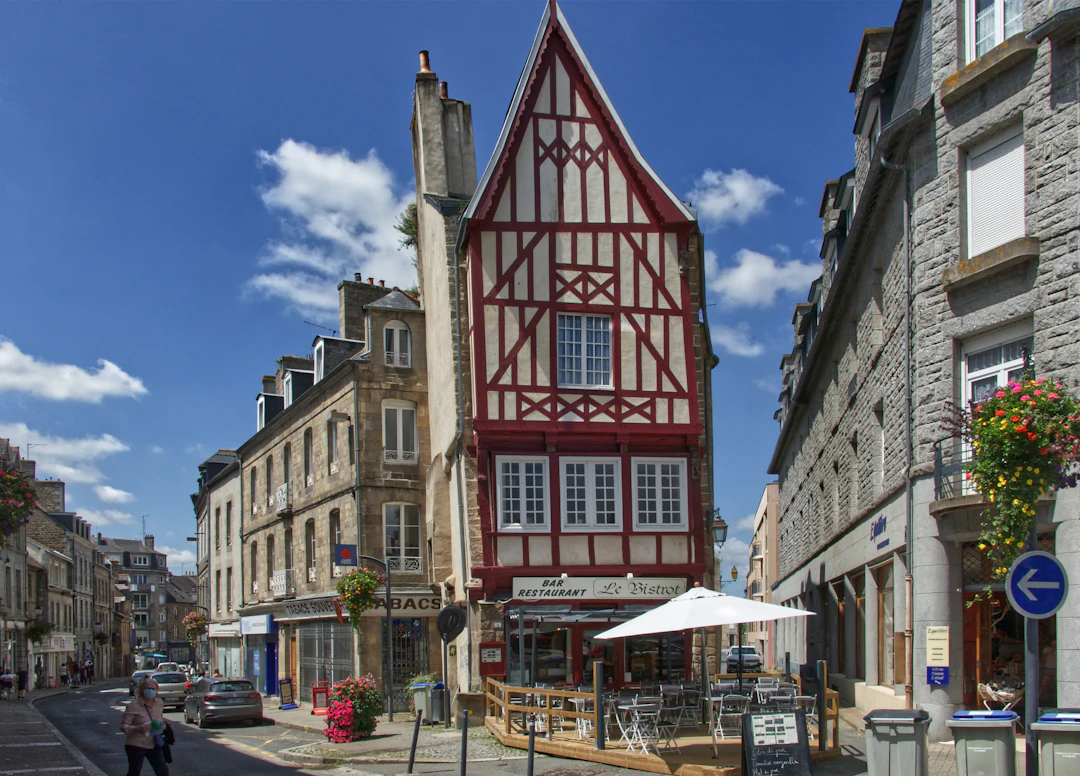
6. The old town streets. Rue de la Loge, the Carrer del Call, and the lanes either side. Catalan signage, wrought-iron balconies, and shopfronts going back a century.
7. La Cité de Vermenouze, the narrow street of the old Jewish quarter, preserved and named after it.
8. Les Halles Vauban, the covered market, open every morning, with the produce of the Roussillon: tomatoes, peaches, olives, anchovies.
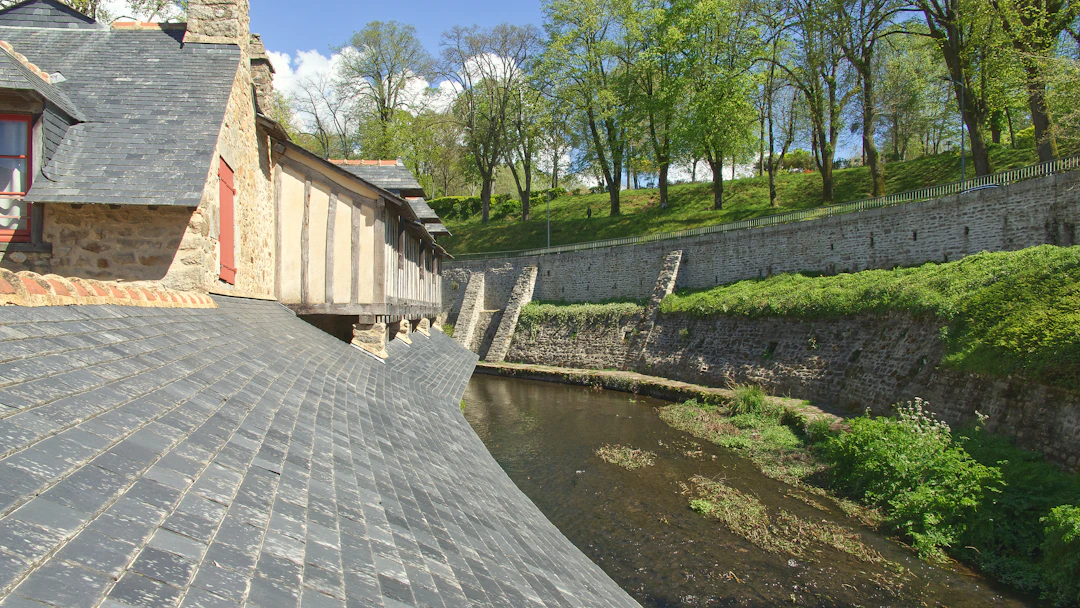
9. The Têt river walk in the Basilip village area, with the planes and the fishing.
Where to eat
Catalan cooking, which is spice and olive oil rather than the garlic of Provence. Sarsuela de peix (fish stew), escalivada (roasted peppers and aubergine, eaten cold with bread), anchoas de laMarca (salt anchovies from the neighbouring Collioure), and crème catalane if you must.
The menu du jour in the old town at lunch is the honest way to eat here: €15 to €22 with wine.
discover our aix en provence guide · discover our aix les bains guide · discover our ajaccio guide
Where to stay
- Old town: the best option and the smallest supply. €90 to €160.
- Saint-Jacques, by the station: practical for arrivals by train, cheaper.
- Banyuls-sur-Mer or Canet: on the coast, 20 to 25 minutes, for people who want sea rather than city.
Getting there
TGV from Paris to Perpignan is under 4 hours. From Barcelona, the Renfe line is 2 to 3 hours and arrives at the same station. The station is 15 minutes from the old town on foot.
Inside Perpignan you walk. Buses run the coast and the local villages; Navingo covers the network.
Budget
- Rooms: €90 to €160 in the old town.
- Food: €30 to €50 a day.
- Transport in town: about €2 a bus ride.
- Attractions: palace and museums are €5 to €12 each; the streets are free.
- Collioure by train: €3 each way, 20 minutes.
When to come
| Season | Weather | Crowds | Verdict |
|---|---|---|---|
| Spring (Mar–May) | Warm, bright | Moderate | Excellent |
| Summer (Jun–Aug) | Hot, 30°C+ | High | Busy and hot |
| Autumn (Sep–Nov) | Warm, golden | Low | Best |
| Winter (Dec–Feb) | Mild, some rain | Low | Very quiet |
Collioure without the Matisse queue means coming in January or February. Perpignan is easiest from September to November.
Walking notes
- Flat shoes. The old town is entirely cobbled, so you’ll want real shoes.
- The palace is uphill. Do it in the morning before it heats up.
- The Têt river path is flat and shaded, and it is the walk to do at six in the evening.
- Learn bon dia, merci and bon appétit in Catalan, and use them. People do notice.
Frequently Asked Questions
What to do in Perpignan? The palace, the cathedral and Campo Santo, Le Castillet, and a day in Collioure.
Is it worth a day trip? From Barcelona or the coast, yes. From anywhere else, give it a night.
Currency? Euro. Cards in the centre.
Family-friendly? The palace ramparts and the market. The heat in August is the problem, not the town.
Best time? September to November.
Plan Your Trip & Start Walking
Two nights, one of them in Collioure, and the palace at opening. Everything else is a stroll.