🌙 Bonifacio Like You Live There: 2026 Slow-Travel Playbook
Experience Bonifacio in 2026 through mindful walking tours. Discover quiet limestone cliffs, hidden paths, and serene coastal retreats for your slow escape.
Key takeaways
- Prioritize early morning cliff-top walks to avoid the mid-day tourist rush.
- The 2026 season favors the 'coolcation' trend, making Bonifacio's sea breezes ideal.
- Explore the 'Escalier du Roi d'Aragon' for historical immersion in limestone.
- Walking is the only way to access the true, hidden beauty of the Bonifacio coastline.
- Support local artisans in the Haute Ville to maintain the town's authentic character.
Introduction
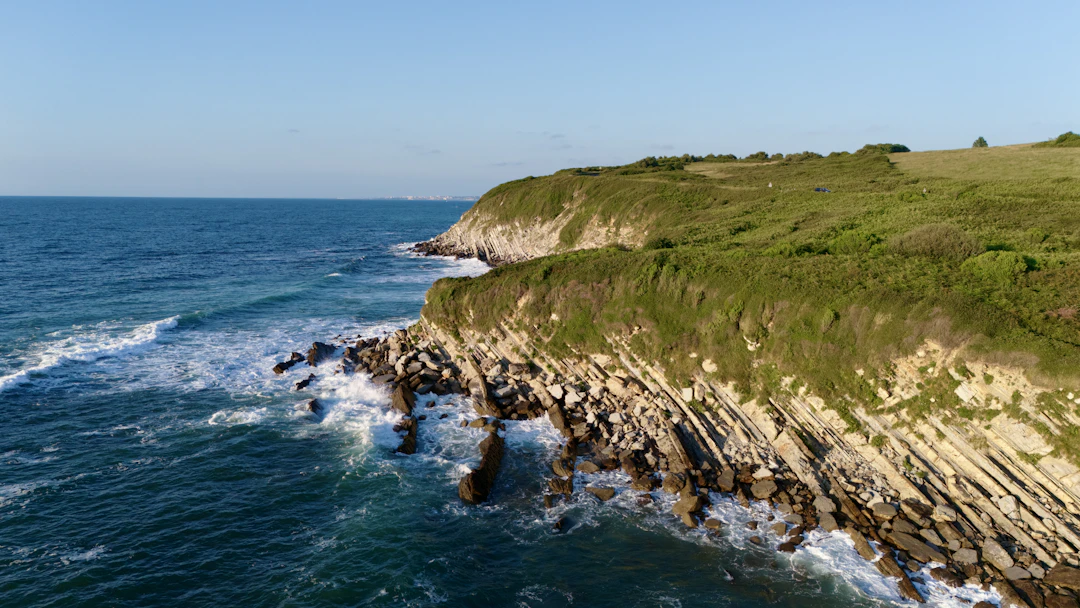
Bonifacio stands as a sentinel of limestone, where the sky meets the sea in a dramatic, quiet embrace. Often overshadowed by the bustling mainland, this southern tip of Corsica offers a rare sanctuary for those seeking a slow-travel experience in 2026. By focusing on walking tours, you peel back the layers of a city carved by wind, salt, and centuries of maritime history. Whether you are wandering the narrow, cobblestone alleys of the Haute Ville or tracing the rugged coastal paths, Bonifacio invites you to leave the checklist behind and simply be present. This is a place for the slow traveler who finds joy in the texture of ancient stone and the infinite horizon. In the following pages, we explore how to navigate this vertical wonder with intention, respect, and a pair of sturdy walking shoes.
✨ Bonifacio isn’t a place you visit; it is a landscape you inhabit, one deliberate, quiet step at a time along the edge of the world.
Why Bonifacio Is Worth Visiting Through Walking-Tours
Walking-tours in Bonifacio transform a standard vacation into a deep, sensory engagement with the landscape. By choosing to explore on foot, you bypass the crowded tourist hubs and gain access to the raw, unfiltered beauty of the white limestone cliffs that define this unique French destination.
In 2026, the shift toward ‘Jomo’ (the joy of missing out) makes Bonifacio a prime candidate for those who prefer wandering over ticking boxes. The topography here—a dramatic plateau suspended 70 meters above the sea—demands a slow pace. You cannot rush the ascent to the Citadel, nor should you ignore the subtle scent of rosemary and sea salt that permeates the coastal trails. Walking allows you to discover the ‘hidden villages’ of the island’s interior and the quiet, wind-swept nature parks that surround the town. For the budget-conscious traveler, walking remains the most authentic and cost-effective way to witness the majesty of the Bonifacian environment without the need for expensive, localized transit.
Top Experiences & Things To Do
📖 See also: Copenhagen Travel Guide
- Haute Ville (Old Town): Wander the labyrinthine streets that date back to the 9th century. (Address: Haute Ville, 20169 Bonifacio)
- Escalier du Roi d’Aragon: Descend 187 steps carved directly into the cliff face. (Address: Rue du Palais de Justice, 20169)
- Cimetière Marin de Bonifacio: A serene, white-marbled city of the dead overlooking the sea. (Address: Plateau du Gouvernail, 20169)
- Le Gouvernail de la Corse: Explore the strategic military tunnel carved into the rock. (Address: Pointe de la Madonetta, 20169)
- Sentier du Littoral: A stunning coastal walk leading to the Pertusato Lighthouse. (Address: Start near the cemetery)
- Bastion de l’Étendard: Visit the massive fortress walls for panoramic harbor views. (Address: Place d’Armes, 20169)
- Maison de la Mer: A local cultural center often hosting quiet maritime history exhibitions. (Address: Quai Comparetti, 20169)
- Église Sainte-Marie-Majeure: Discover the oldest building in the city with its unique outdoor loggia. (Address: Rue Sainte-Marie, 20169)
- Port de Bonifacio: Watch the yachts from a distance while enjoying a local herbal tea. (Address: Quai Jérôme Comparetti, 20169)
- Plage de Sutta Rocca: A hidden beach accessible only by a steep, scenic path. (Address: Located below the cliffs of the old town)
- Pointe du Cap de Pertusato: The southernmost point for beautiful, quiet vistas. (Address: Chemin de Pertusato)
- Monument de la Légion étrangère: A somber, respectful site overlooking the harbor. (Address: Route de la Marine)
💡 Pro tip: Visit the Escalier du Roi d’Aragon at 08:30 in the morning. Not only is the light perfect for photography, but you will beat the heat and the crowds that arrive by midday.
Best Time To Visit & Climate

| Month | Avg Temp °C | Rain Days | Crowds | Verdict |
|---|---|---|---|---|
| Jan | 10 | 9 | Low | Quiet, cool |
| Feb | 11 | 8 | Low | Peaceful |
| Mar | 13 | 7 | Low | Blossoming |
| Apr | 16 | 6 | Medium | Perfect for walking |
| May | 19 | 5 | Medium | Ideal weather |
| Jun | 23 | 3 | High | Warm |
| Jul | 26 | 1 | Very High | Busy |
| Aug | 27 | 1 | Very High | Hot |
| Sep | 24 | 3 | Medium | Best for swimming |
| Oct | 20 | 6 | Low | Gentle |
| Nov | 16 | 8 | Low | Reflective |
| Dec | 12 | 9 | Low | Still |
Sample 3-Day Itinerary
Day 1: The Historical Heart
- Start at the Bastion de l’Étendard (45 mins) for orientation.
- Walk the narrow alleys of the Haute Ville (60 mins).
- Visit Église Sainte-Marie-Majeure (30 mins).
- Enjoy a long, slow tea at a quiet café near the Port (60 mins).
Day 2: Coastal Immersion
- Hike the Sentier du Littoral toward Pertusato (120 mins).
- Picnic with local fruits near the lighthouse (60 mins).
- Return via the cliff-top trail (90 mins).
- Evening sunset at the Cimetière Marin (45 mins).
Day 3: Deep History & Nature
- Explore Le Gouvernail de la Corse (60 mins).
- Descend the Escalier du Roi d’Aragon (45 mins).
- Relax at Plage de Sutta Rocca (90 mins).
- Walk back up to the city center via the old ramparts (40 mins).
📍 Local insight: The path to Sutta Rocca is steep. Wear proper hiking sandals or trainers. The local authorities Office de Tourisme de Bonifacio give updated trail maps for 2026 that are essential for safety.
Budget Guide (2026 Estimates)
Travel costs in Corsica can vary significantly based on the season and your travel style. The following ranges reflect estimated daily expenditures for 2026:
| Category | Backpacker | Mid-Range | Comfortable |
|---|---|---|---|
| Stay | 50–80 EUR | 120–180 EUR | 250+ EUR |
| Food | 25–40 EUR | 50–80 EUR | 90+ EUR |
| Transport | 0–10 EUR | 15–30 EUR | 40+ EUR |
| Activities | 5–15 EUR | 20–40 EUR | 60+ EUR |
Note: Prices are estimates. Booking accommodation well in advance for the 2026 season is recommended to secure these rates.
Where To Stay — Neighbourhood Breakdown
📖 See also: Sintra Travel Guide
| Neighbourhood | Vibe | Price Band | Who It’s For |
|---|---|---|---|
| Haute Ville | Historical | High | History lovers |
| Marine (Port) | Lively | Mid | Social travelers |
| Sant’Amanza | Nature | Mid | Beach seekers |
| Bonifacio Periphery | Quiet | Budget | Slow travelers |
Getting There & Local Transport

Bonifacio is most easily reached via Figari-Sud Corse Airport (FSC), located approximately 20 km away. A shuttle or private transfer takes about 25 minutes and costs roughly 30-50 EUR. For those practicing ‘slow travel’ across France, train travel tips for 2026 suggest taking a TGV to Marseille or Toulon, then utilizing the ferry service to Bastia or Ajaccio, followed by a local bus or rental car. Always check the Official France Tourism Site for updated regional transport schedules.
⚠️ Heads up: Rental cars are useful for exploring the wider Corsican countryside, but in Bonifacio, you should park outside the city center. The historic streets are pedestrian-only zones.
Frequently Asked Questions
📖 See also: Sète Travel Guide
-
What to do in Bonifacio, France? You can explore the medieval Citadel, descend the Escalier du Roi d’Aragon, hike the Sentier du Littoral, and visit the serene Cimetière Marin. The town is best experienced by walking through its historic streets to discover hidden artisan shops and viewpoints.
-
Is Bonifacio safe for solo travelers? Yes, Bonifacio is exceptionally safe. The community is tight-knit and accustomed to respectful, slow-travel visitors. As in any destination, maintain awareness of your surroundings, especially on cliff-side paths, and ensure you have adequate lighting if walking near dusk.
-
What is the best time to visit Bonifacio in 2026? May, June, and September offer the best balance of pleasant weather and fewer crowds. These months are ideal for walking tours, as the temperatures are mild enough for long coastal hikes without the intense heat of July and August.
-
Do I need to speak French? While French is the official language, many locals in the tourism sector speak English. Learning a few basic phrases in Corsican or French, such as ‘Bonjour’ or ‘Merci’, goes a long way in showing respect to the local culture.
-
What currency is used in Bonifacio? The Euro (EUR) is the only currency used in Bonifacio. While credit cards are widely accepted in hotels and restaurants, keep some cash handy for small markets or local artisan stalls.
-
Are there family-friendly activities? Bonifacio is great for families who enjoy nature. The coastal walks and the boat tours that navigate the sea caves are highlights for children. Ensure that children are supervised near the cliff edges, as many areas lack barriers.
-
How accessible is the town for those with limited mobility? The historic Haute Ville is challenging due to steep, uneven cobblestone streets. However, the lower port area and several viewpoints are accessible. It is recommended to contact your accommodation in advance to discuss specific accessibility needs.
-
What should I pack for a walking trip? Pack sturdy, broken-in walking shoes, a reusable water bottle, sun protection (hat and high-SPF sunscreen), and light layers. Since you’ll be walking often, a lightweight backpack is better than a suitcase for navigating the town’s vertical architecture.
Sources & Further Reading
- Office de Tourisme de Bonifacio
- UNESCO World Heritage - Gulf of Porto
- France Official Tourism Board
- OECD Tourism Policy Perspectives
📝 Editor’s note
This guide focuses on the rhythmic, slow-paced discovery of Bonifacio. We recommend visiting during the shoulder months of 2026 to truly feel the silent, majestic pulse of the limestone cliffs.
Plan Your Trip & Start Walking
Bonifacio is waiting for those who are willing to slow down and listen to the rhythm of the tides against the stone. By choosing to explore on foot, you are not just seeing a destination; you are participating in its enduring, quiet legacy.
Start your planning by booking your accommodation in the heart of the Haute Ville. Once you arrive, leave your watch in the room, lace up your most comfortable shoes, and let the white limestone paths lead you to the edges of the Mediterranean. Your silent walk begins the moment you step outside.
- What to do in Bonifacio, France?
- You can explore the medieval Citadel, descend the historic Escalier du Roi d'Aragon, hike the rugged Sentier du Littoral, and visit the peaceful, white-marbled Cimetière Marin. The town is best experienced by wandering through its narrow, ancient streets to discover hidden artisan shops and spectacular cliffside viewpoints that are inaccessible by car.
- Is Bonifacio safe for solo travelers?
- Bonifacio is very safe for solo travelers. The community is welcoming and the town is well-policed. As with any remote or coastal destination, simply exercise standard caution when hiking on cliff-top paths and ensure you carry sufficient water and a fully charged phone during your long, quiet walks.
- What is the best time to visit Bonifacio in 2026?
- The best time is during the shoulder seasons of May, June, or September. During these months, the weather is perfect for walking tours, the crowds are manageable, and you can enjoy the 'coolcation' breezes that make exploring the limestone cliffs a refreshing, serene experience away from the mid-summer heat.
- Do I need to speak French?
- While French is the official language, many people in the hospitality industry speak English. However, travelers who learn a few basic French or Corsican greetings are often rewarded with warmer interactions. It is a sign of respect, especially when engaging with local shopkeepers in the quieter, off-the-beaten-path corners of the city.
- What currency is used in Bonifacio?
- The currency is the Euro (EUR). Most establishments accept credit and debit cards, but having some cash is useful for small local purchases or supporting independent artisans in the old town. Ensure you have small denominations for convenience when buying local snacks or bottled water.