Rennes 2026: Silent Walks and Slow Travel Guide to Rennes
Get ready to immerse yourself in Rennes' history and culture in 2026 with our unique silent walks. Find out what secrets this French city holds and how you…
Rennes is the one Breton city that is neither a medieval postcard nor a seaside resort, and it’s two hours from Paris by TGV, which isn’t bad for a city with this much in it.
Why Rennes
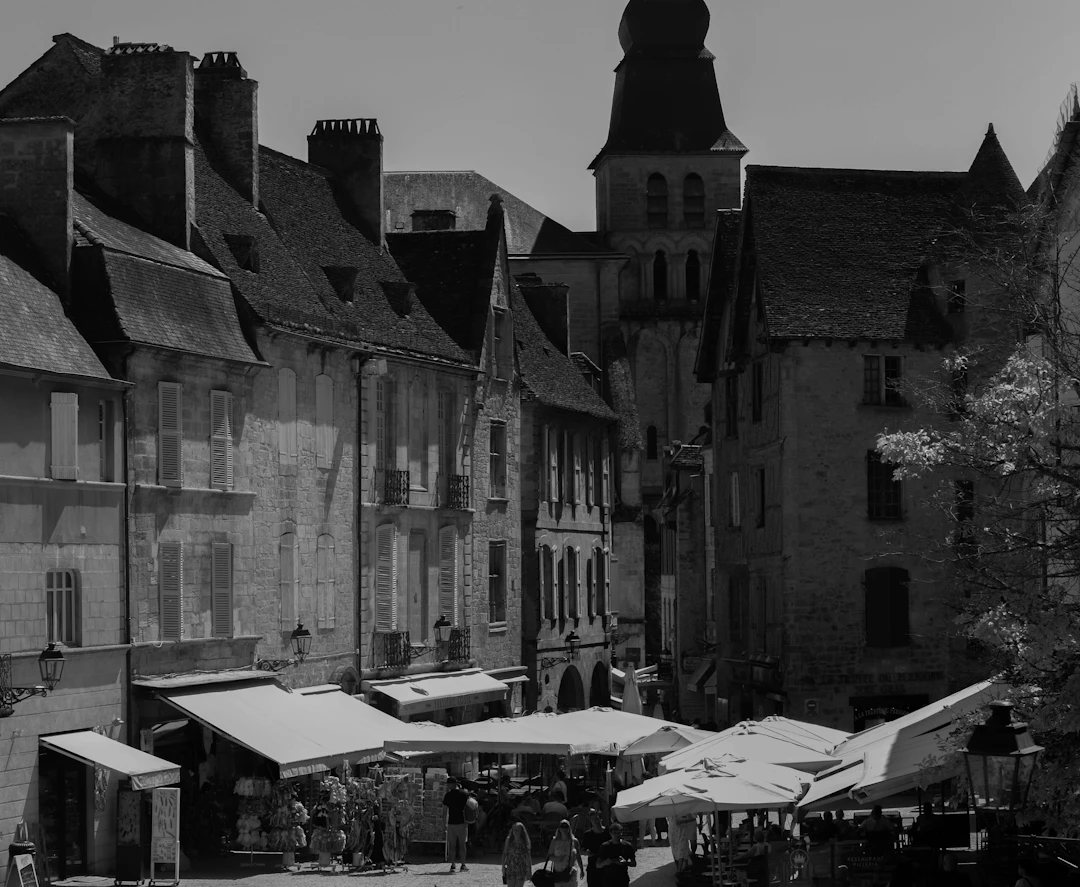
The old centre survived a fire in 1720 that destroyed most of the timber-framed town, so what you see today was rebuilt on the same plan, and what was rebuilt on the same street plan is what you walk today: narrow frontages, timber on plaster, cobbles underfoot.
Around 220,000 people live here, a third of them students, which is why the centre is busy at lunchtime and empty by eight, and you can’t have it both ways. The whole historic quarter is twenty minutes across on foot.
The walk
- Place Sainte-Anne and Rue Saint-Michel: the dense cluster of half-timbered houses, best at 08:00 before the cafés fill. The tourist office is in one of them.
- Parc du Thabor: ten hectares of formal garden behind the cathedral, with a rose garden, an aviary and enough trees to lose the city for an hour. Free.
- Saint-Pierre cathedral: an 18th-century neoclassical building on the outside, and on the inside a gilded 16th-century altarpiece that is not what you expect.
- Portes Mordelaises: the medieval gate where the dukes of Brittany entered the town. Two towers, a drawbridge mechanism, and you won’t meet many visitors.
- Les Lices: the Saturday market is one of the largest covered markets in France, and at eight in the morning it belongs to the people who shop there.
- The Ille-et-Rance canal towpath: flat, shaded and out of the city within twenty minutes.
- Musée des Beaux-Arts: small and local, quiet most days, with a good Breton collection.
- The Vilaine: the river is wider and slower than the canal, and the banks below the centre are where the city actually sits.
Where to eat
Rennes has a UNESCO City of Gastronomy designation, which sounds like a marketing line until you eat here, and then it isn’t. Start with a galette, the savoury buckwheat crêpe, and a bowl of dry cider, on Rue Saint-Georges or the streets behind it.
The market is where you assemble the rest: Breton cheese, charcuterie and produce from farms within a day’s drive. For a proper meal, the streets around Place Sainte-Anne have traditional cooking on one side and young bistro cooking on the other. The prices are about the same.
Where to stay
- Around Place Sainte-Anne: small hotels in old buildings, and you can walk to everything.
- By the Thabor: quieter residential streets with a park at the end of them.
- Near the station and Colombier: practical if you arrive late, and the start of the TGV line.
Getting around
The historic centre is entirely walkable in under twenty minutes end to end. Rennes has a two-line automated metro for the longer hops and a bike-share that works with the pedestrian zones.
The station is also the base for the rest of Brittany: Saint-Malo, Dinan and Mont-Saint-Michel are all under ninety minutes by regional train, which is why so many people use Rennes as a base rather than a stop.
Money
Cheaper than Paris or the Riviera, and cheaper than you’d expect for France. Rooms run €60 to €90 at the budget end and €100 to €150 in the middle, which you won’t believe until you book one. Food is €25 to €45 a day eating out, and under €20 if you buy at the market and eat a galette.
The cathedral, the market, the Thabor and the medieval gate are all free. That’s most of what there is to see, and it’s the best part.
When to come
May and June, and September and October. Warm enough to sit outside, with the crowds elsewhere.
The Tombées de la Nuit in July fills the city with street theatre after dark and is genuinely good, if you want a festival weekend. Winter is cold and very quiet. The timber-framed quarter is at its emptiest then, which is either the appeal or the deal-breaker.
Frequently Asked Questions
How do I get to Rennes? Two hours from Paris by TGV, with regular services from most French cities. Rennes does have an airport, but from Paris you can’t do better than the train.
What is the best time to visit? Late spring and early autumn. The city works year-round; only the July festival week is genuinely busy.
Is Rennes safe? Yes, with the usual caution around crowds at night on the way back to the station.
What are the main sights? Place Sainte-Anne, the cathedral, the Thabor gardens, the Portes Mordelaises and the Saturday market at Les Lices.
Plan Your Trip & Start Walking
Take the morning TGV, start at Sainte-Anne when the shutters are still opening, and go down to the canal by mid-morning. Everything on this list fits in one day, and that is the point of the city.
Related from GlobalSilentWalks: discover our Bayonne guide