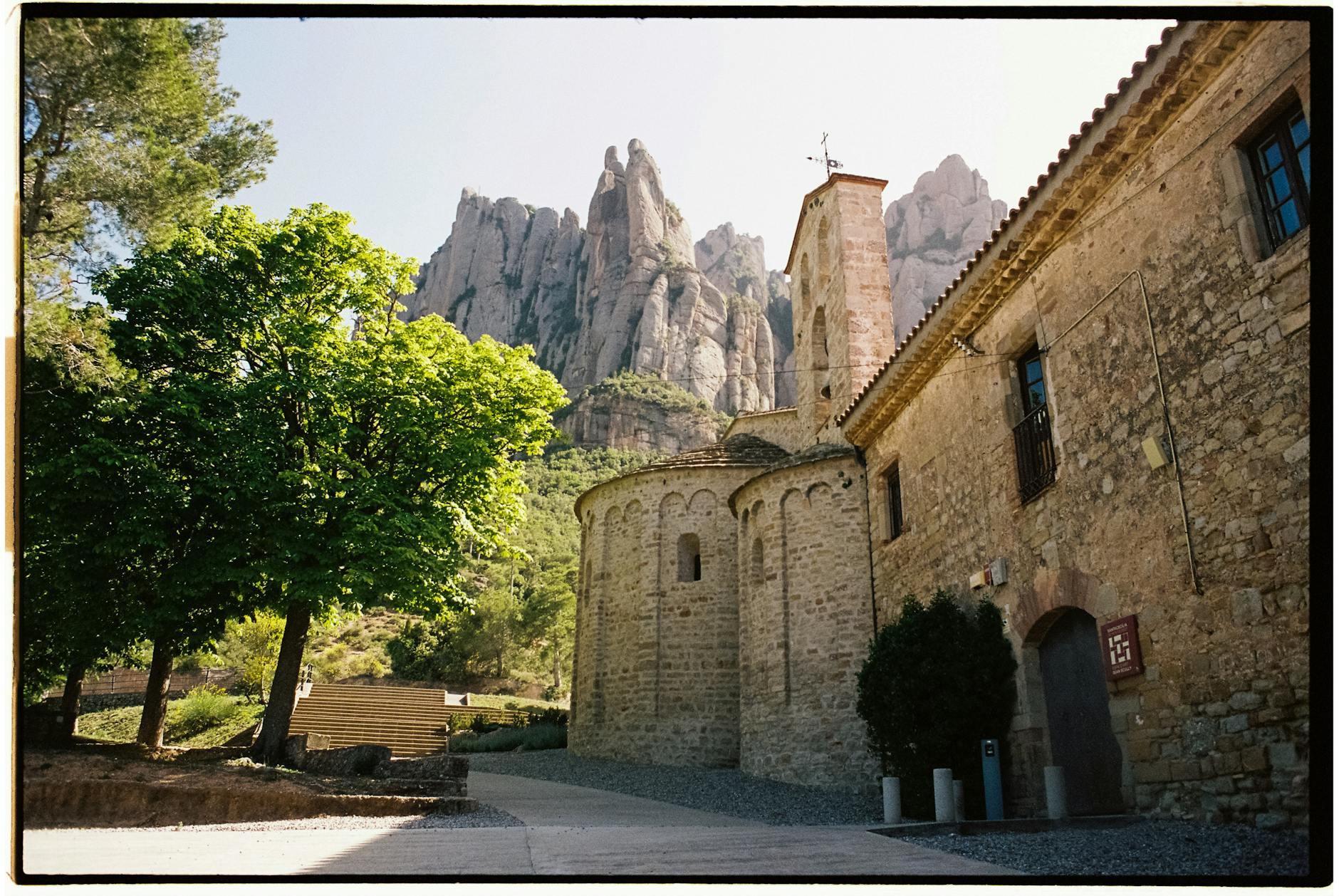
Zero-Device Monastery Stays in Rural Wales for 2027 Explorers
Discover life-changing monastery stays in rural Wales for 2027 explorers. Plan your digital detox with expert tips on quiet retreats and monastic life.
Zero-Device Monastery Stays in Rural Wales for 2027 Explorers
Silence in the Black Mountains of Wales is not an absence but a heavy, restorative presence. For the 2027 explorer, the desire to disconnect from a hyper-connected world has moved beyond a simple holiday trend into a survival strategy for mental clarity. Rural Wales, with its deep-cut valleys and ancient stone walls, offers some of the most profound monastery stays Wales has to offer, providing a true digital detox UK experience that strips away the noise of the modern era.
A monastery is fundamentally a complex of buildings designed for the domestic and spiritual life of monastics, yet its cloisters and refectories have become sanctuaries for the secular traveler. Whether you are seeking the Benedictine rhythm of ora et labora (pray and work) or simply a cell with a view of the Pembrokeshire coast, these stays represent a return to the essentials. In 2027, the focus is not on what you see, but on what you finally stop looking at: your screen.
Why detour-destinations are defining the 2027 Welsh monastic experience
The concept of detour-destinations is reshaping how modern travelers approach the United Kingdom, moving away from the crowded peaks of Snowdonia (Yr Wyddfa) toward the quiet, overlooked corners of the borderlands and islands. As major hubs become saturated, explorers are finding that the most beautiful places on earth to travel are often those that require a literal and metaphorical detour from the beaten path. A monastic stay in rural Wales fits this 2027 trend perfectly, offering a destination that is intentionally difficult to reach and even harder to stay connected within.
✨ True silence in the Welsh valleys is not the absence of sound, but the presence of a clarity that technology has long since obscured.
This shift toward intentional isolation is a reaction to the ‘always-on’ culture of the mid-2020s. Travelers are no longer satisfied with ‘silent retreats’ that still allow for evening scrolling. They are seeking ‘zero-device’ environments where the architecture itself—thick stone walls and remote valley locations—acts as a natural signal jammer. By choosing a monastery in the Vale of Glamorgan or the depths of Monmouthshire, you are participating in a movement that values presence over posts. This is the heart of the 2027 explorer’s ethos: finding luxury in the lack of distraction.
💡 Pro tip: When booking your stay, explicitly ask about ‘signal-free’ cells. Some monasteries have modern wings with Wi-Fi for administrative use, but the older stone dormitories often provide a natural barrier to cellular signals, enhancing your detox.
Top 8 Rural Wales monastery stays for modern explorers
Finding the right monastery requires understanding the different ‘flavors’ of monastic life available to the public. In Wales, the landscape is dotted with both active communities and historic sites that offer retreat facilities. Here are eight essential locations for your 2027 itinerary:
- Caldey Island (Ynys Bŷr): Located off the coast of Tenby, this Cistercian monastery is accessible only by boat. It is the gold standard for isolation.
- Tymawr Convent, Monmouthshire: An Anglican community known for its focus on sustainability and silence, set in the beautiful rolling hills near the River Wye.
- St. Davids Cathedral Close: While not a functioning monastery in the traditional sense, the retreat houses nearby offer a ‘monastic-lite’ experience in the UK’s smallest city.
- The Marist Fathers, Walsingham House: Though located in the borderlands, it provides a structured environment for those new to silent retreats.
- Llantwit Major (Llanilltud Fawr): Explore the site of the oldest center of learning in Britain, with nearby retreat options that focus on Celtic spirituality.
- St. Mary’s Priory, Abergavenny: Offers a more urban monastic experience, perfect for those who want silence at night but a market town to explore by day.
- Penrhys Pilgrimage Site: A historic location in the Rhondda Valley where modern explorers can find local lodgings that mirror the pilgrim experience.
- The Cistercian Way: Not a single stay, but a network of sites across Wales that allow for a multi-day walking retreat, staying in simple parish rooms or monastery guest houses.
Each of these locations requires a different level of commitment. Some, like Caldey Island, may require guests to stay for a minimum of three nights to truly settle into the island’s rhythm. Others allow for weekend stays but suggest a donation of £45–£85 (approx. €52–€98) per night as of 2026 to cover the costs of simple, communal meals and upkeep.
Daily rhythms and monastic discipline: What to expect
To the uninitiated, the structure of a monastery stay can feel rigid. However, for the explorers of 2027, this structure is exactly what provides the freedom from decision fatigue. You do not have to decide when to eat, where to go, or what to do. The bell decides for you. Most Welsh monasteries follow a version of the Divine Office, a series of prayers throughout the day that guests are often welcome (but not always required) to attend.
To go further, see Farm Stays and Agritourism: The Rise of Rural Escapes in 2026
| Feature | Benedictine Tradition | Cistercian Tradition | Anglican/Ecumenical |
|---|---|---|---|
| Primary Focus | Community & Hospitality | Manual Labor & Austerity | Social Justice & Meditation |
| Silence Level | Moderate (Social meals) | High (Strict silent meals) | Flexible (Varies by house) |
| Daily Services | 6–8 per day | 7 per day (starts early) | 3–4 per day |
| Guest Work | Optional light chores | Often encouraged (gardening) | Usually minimal |
Typical days begin early, often with Vigils or Matins at 4:00 am or 5:00 am. While guests aren’t usually forced out of bed, the atmosphere of the house changes at dawn. Breakfast is typically taken in a refectory in total silence. This ‘Great Silence’ is a local custom that many visitors get wrong; it is not just about not talking, but about moving quietly, avoiding the clatter of cutlery, and respecting the shared space. According to Frank Bottomley’s “The explorer’s guide to the abbeys, monasteries and churches of Great Britain” (1984), the architecture of the ‘cloister’ was specifically designed to facilitate this meditative movement between the church and the living quarters.
📍 Local insight: In many Welsh monasteries, the ‘Great Silence’ lasts from the end of the final evening service (Compline) until after breakfast the next morning. During this time, even a whispered ‘hello’ in the hallway is considered a breach of etiquette.
Digital detox pitfalls: 3 common mistakes for first-time explorers

Transitioning to a device-free environment is harder than most travelers anticipate. The ‘phantom vibration syndrome’—where you feel your phone buzzing in your pocket even when it’s not there—is a documented phenomenon that can take 48 hours to subside. To make the most of your monastery stays Wales experience, avoid these three common pitfalls:
- The ‘Just for Photos’ Trap: Many explorers bring their smartphones, promising only to use the camera. Within hours, the temptation to check a map or a quick notification becomes overwhelming. The fix: Bring a dedicated digital camera or, better yet, a disposable film camera to capture the 12th-century architecture without the digital baggage.
- Over-packing for Leisure: Monasteries are not resorts. You do not need multiple outfits or heavy entertainment. The fix: Pack one set of durable ‘work’ clothes (for gardening or walking) and one ‘clean’ set for services. Bring a single physical book—ideally something dense that requires the focus you usually lack.
- Ignoring the ‘Cell’ Philosophy: A monastic room is called a cell for a reason. It is meant to be sparse. Many guests arrive and immediately try to ‘cozy up’ the space with travel speakers or excessive snacks. The fix: Embrace the austerity. The lack of visual clutter in a room at Tymawr or Caldey is part of the therapy.
discover our soundless monasteries pyrenees retreats 2027 guide · discover our with alex ovechkin retiring in 2027 which bucket list guide · discover our ischia thermal springs winter walks 2027 guide
discover our soundless monasteries pyrenees retreats 2027 guide · discover our with alex ovechkin retiring in 2027 which bucket list guide · discover our ischia thermal springs winter walks 2027 guide
The true cost of silence: Budgeting for 2027
Monastic stays are rarely ‘priced’ like hotels. Instead, they operate on a spectrum of suggested donations or fixed retreat fees. This makes them some of the best options for those looking to find monastery explorers on a budget. However, it is vital to remember that these communities are not cheap hotels; your contribution supports the preservation of historic buildings and the community’s charitable work.
| Stay Type | Suggested Donation (per night) | What’s Included | Best For |
|---|---|---|---|
| Donation-Based | £35–£55 (€42–€65) | Room & 3 simple meals | Budget-conscious solo travelers |
| Fixed-Fee Retreat | £70–£110 (€83–€130) | Guided sessions & private room | First-timers needing structure |
| Hermitage/Cabin | £40–£60 (€48–€71) | Self-catering, total isolation | Experienced silent walkers |
| Working Stay | Variable/Low | Room in exchange for labor | Long-term stays (1 week+) |
Note: Prices are ranges as of 2026. Always confirm current rates via the monastery’s official website or guest master.
⚠️ Heads up: Most monasteries in rural Wales do not accept credit cards upon arrival. You should carry enough cash in GBP to cover your donation or arrange a bank transfer in advance. Tipping is not expected, but a small extra donation for the ‘infirmary fund’ is always appreciated.
A 72-hour itinerary for a zero-device Welsh retreat
For those planning their first digital detox UK trip, a three-day window is the minimum required to see psychological results. Here is a sample itinerary based on a stay in the Monmouthshire area, a prime spot for detour-destinations.
Day 1: The Arrival and The Handover
- 14:00: Arrive at the monastery gates. Power down all devices and hand them to the Guest Master for safekeeping in the monastery safe.
- 16:00: Orientation. Learn the layout of the chapel, refectory, and the boundaries of the monastic enclosure.
- 18:00: First communal meal (usually soup, bread, and local cheese). Observe the silence.
- 20:00: Attend Compline. The haunting sound of plainsong chant in a dark stone chapel is the ultimate sleep aid.
Day 2: The Deep Quiet
- 06:00: Optional early service or a walk in the mist-covered Welsh valleys.
- 09:00: Manual labor. Spend three hours helping in the vegetable garden or cleaning the library. This ‘grounding’ work is essential for the detox process.
- 13:00: Lunch, followed by a long, ‘silent walk’ outside the monastery grounds. Explore the local public footpaths of the Marches.
- 15:00: Reading or journaling. Use a physical notebook to record thoughts that usually disappear into Twitter or Instagram.
Day 3: Re-Entry and Reflection
- 08:00: Final breakfast. Notice how the flavors of simple food seem more intense after 48 hours of sensory reduction.
- 10:00: A brief conversation with a member of the community (if allowed) to discuss the experience.
- 12:00: Retrieve your device. Most travelers find they don’t actually want to turn it on immediately.
The architectural and spiritual legacy of the Cistercian Way

The monasteries of Wales are not just religious buildings; they are architectural fossils of a time when the ‘grange’ system dominated the Welsh economy. As Bernard Jennings notes in “Yorkshire Monasteries” (1999)—which provides a comparative framework for monastic land use across the UK—the Cistercians were masters of the landscape, turning rugged Welsh hills into productive sheep farms. When you walk the cloisters today, you are walking through a design intended to maximize light and airflow while maintaining total privacy from the outside world.
Recent research titled “Monasteries of the Future” (OpenAlex, 2018) suggests that these spaces are evolving into ‘secular cathedrals’—places where the primary ‘service’ offered is mental sanctuary. The preservation of these sites, often managed by CADW or the National Trust, ensures that the ‘spirit of place’ remains intact even as the number of resident monks or nuns may fluctuate. For the explorer, this means that even a ‘ruined’ monastery like Tintern or Llanthony Priory can serve as a powerful backdrop for a self-guided silent day-trip.
Editor’s Verdict
A zero-device monastery stay in Wales is the most effective way to reclaim your attention span in 2027. We highly recommend the Cistercian tradition for those who want a truly rigorous break from modern life, while Anglican retreat houses offer a softer landing for those new to the concept of silence.
discover our Noise-Canceling Earplugs for Silent Walking Retreats: Top 5 Tested guide · discover our Spring 2027 Fine Jewelry: Highlights From Paris Fashion Week guide
discover our Noise-Canceling Earplugs for Silent Walking Retreats: Top 5 Tested guide · discover our Spring 2027 Fine Jewelry: Highlights From Paris Fashion Week guide
Gear we would pack for this trip
From our shop, chosen to match this guide:
 GlobalSilentWalks Cap, AdjustableA classic curved-brim cap with the GlobalSilentWalks logo and an adjustable strap, printed to order.€26.90
 World Map Wall Poster, 82.5 × 59.5 cmA world map poster on coated paper, 82.5 × 59.5 cm, delivered rolled in a tube.€14.90
 Water-Repellent Commuter Travel BackpackA unisex nylon backpack of 20 to 35 L with curved, breathable straps.€22.90
📝 Editor’s note
This guide was compiled by the GlobalSilentWalks Editorial team to provide a realistic roadmap for those seeking profound disconnection. We recommend booking monastic stays at least six months in advance as interest in 2027 digital detox retreats continues to rise.
Planning your journey with GlobalSilentWalks
As we look toward the travel landscape of 2027, the value of ‘nothingness’ cannot be overstated. Rural Wales remains one of the few places in Western Europe where you can truly get lost—not just in the geography, but in the silence. Whether you are a solo traveler looking for a life-changing experience or a couple seeking to reconnect without the interference of screens, the monasteries of the Welsh valleys are waiting.
To begin your journey, we recommend visiting the UNESCO UK database to understand the historical significance of the sites you will visit. Remember that a monastic stay is a two-way street: you bring your silence, and the monastery provides the space. It is a sacred contract that has remained unchanged for nearly a millennium.
For more guides on silent travel and detour-destinations across Europe, explore our planning hub at GlobalSilentWalks. Your journey into the quiet starts with a single, unplugged step.
Editor’s note: GlobalSilentWalks Editorial provides independent research on contemplative travel. We do not receive commissions from monastic communities, ensuring our recommendations remain focused on the quality of the silent experience.
- How to find monastery explorers on a budget?
- To find affordable options, look for guest houses that operate on a donation basis, often suggested at £35–£55 (approx. €42–€65) per night as of 2026. Researching smaller Anglican convents in rural areas like Monmouthshire often yields more budget-friendly results than the larger, more famous Benedictine abbeys.
- Why choose monastery explorers for your next trip?
- Choosing a monastic stay offers a unique psychological reset that traditional hotels cannot match. The structured rhythm of prayer, manual labor, and the 'Great Silence' helps modern travelers break the cycle of dopamine-driven device usage, providing a rare opportunity for deep introspection.
- Is monastery explorers worth it for non-religious travelers?
- Yes, it is absolutely worth it. Most Welsh monasteries, such as those on Caldey Island, welcome guests of all faiths or none. The focus for many 2027 explorers is the 'zero-device' environment and the mental health benefits of silence rather than theological conversion.
- When is the best time for monastery explorers in Wales?
- The ideal time is between late April and early October. During these months, the Welsh landscape is at its most vibrant, allowing for meditative walks in the cloisters and surrounding hills. Winter stays are possible but can be physically demanding due to the older heating systems in historic stone buildings.
- What are the best places for monastery explorers in rural Wales?
- Top recommendations include Caldey Island in Pembrokeshire for its isolation, Tymawr Convent in Monmouthshire for its focus on ecological living, and the various retreat houses along the Cistercian Way in the Marches.
Plan Your Trip & Start Walking
Ready to slow down in Zero-Device Monastery Stays in Rural Wales for 2027 Explorers? Bookmark this guide, pick the silent walk that calls to you, and let the city reveal itself one quiet step at a time.