Discovering Free Museums Paris 2026: A Silent Walking Guide
Explore Paris 2026 without the noise. Discover free museums, quiet walking routes, and rainy day activities for a mindful, slow travel experience.
The Morning Silence of the Marais
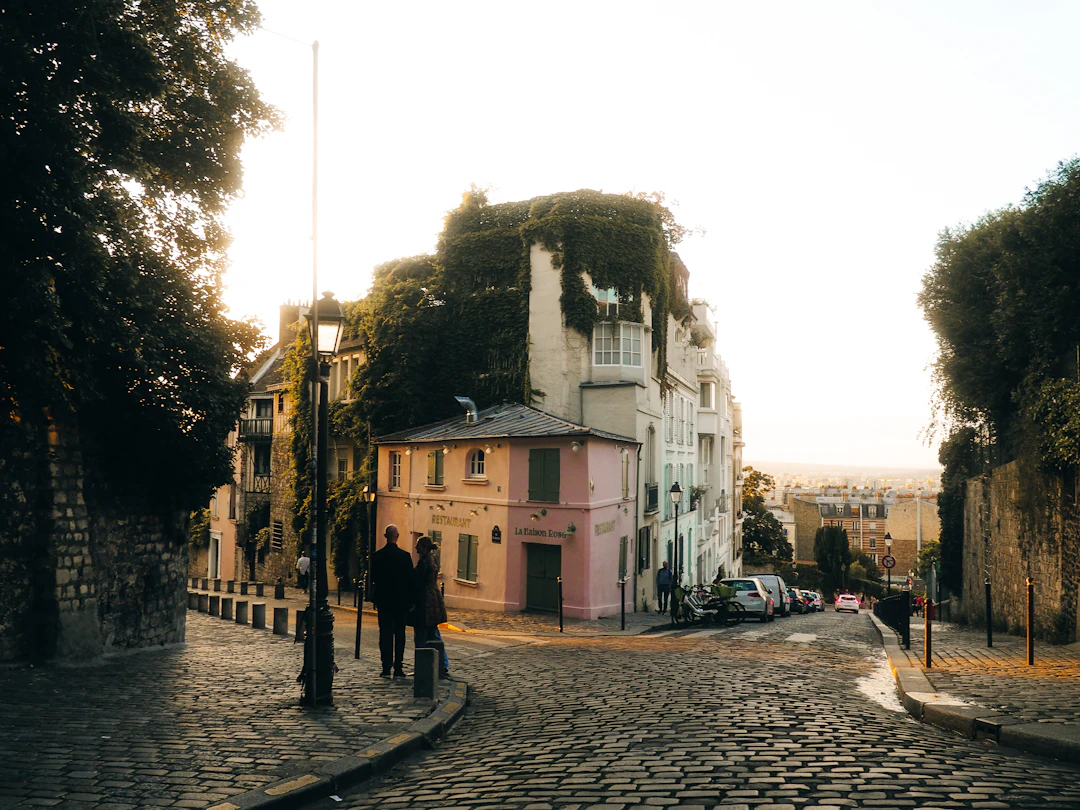
I stepped onto Rue des Rosiers just as the sun began to bleed a pale, buttery light across the uneven cobblestones, smelling faintly of damp limestone and the lingering yeast from a nearby boulangerie. The silence was absolute, a stark contrast to the typical tourist hum I had braced myself for. As I walked, the only sound was the rhythmic tap of my leather boots against the ground, a heartbeat for the city before it woke. My destination was the Musée Carnavalet, a place that captures the soul of Paris. This moment of solitary movement defined my entire journey, turning the city into a personal gallery of texture and light. This is the essence of Paris 2026 travel: finding the quiet gaps between the landmarks.
Navigating Paris Without Crowds 2026
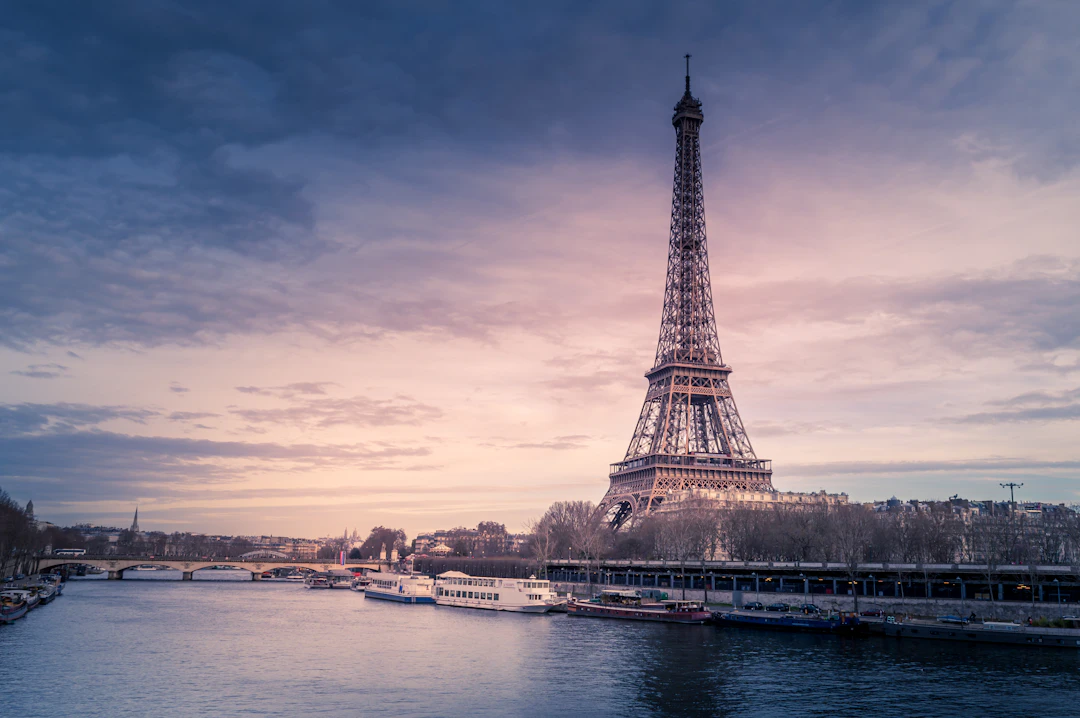
Paris 2026 travel guide trends favor the early riser. To experience the city without the crushing weight of mass tourism, you must adjust your internal clock. The peak hours between 11:00 AM and 4:00 PM are best avoided in high-traffic zones like the 1st and 7th arrondissements. Instead, focus on the 11th or the 20th arrondissements. For those seeking a self-guided experience, the best paris neighborhoods to stay 2026 are those that prioritize residential charm over proximity to the Eiffel Tower. A 3-kilometer walk from the Place des Vosges to the Canal Saint-Martin takes roughly 45 minutes at a meditative pace, allowing you to observe the subtle shifts in architecture and local life. Use the city’s expanded bike lanes, which have replaced many car-heavy thoroughfares, to move silently across the city grid.
Mastering Free Museums Paris 2026
Many travelers assume that culture in Paris requires a heavy entry fee, but the city offers a wealth of permanent collections that are free to the public. The Petit Palais is a crown jewel, offering free access to its permanent collection from 10:00 AM to 6:00 PM, Tuesday through Sunday. It is a sanctuary of light and greenery. The Musée Carnavalet, located in the heart of the Marais, is another essential stop, providing an immersive history of the city without an admission charge. For those looking for something more niche, the Musée de la Vie Romantique in the 9th arrondissement offers a quiet garden retreat that feels like a private residence. By prioritizing these permanent collections, you can significantly reduce your daily travel budget, leaving more funds for high-quality local ingredients at the markets.
Paris Rainy Day Activities 2026
When the grey skies descend, the city takes on a melancholic beauty that is perfect for slow travel. Paris rainy day activities 2026 should lean into the interior spaces that define the city’s literary history. The Bibliothèque Sainte-Geneviève in the 5th arrondissement is a masterclass in quietude, with its sprawling iron reading rooms and hushed atmosphere. Spend two hours here, then wander to the nearby covered passages like the Passage des Panoramas. These 19th-century walkways protect you from the elements and house antique shops and small, quiet cafes. Walking through these passages, you are shielded from the wind and rain, surrounded by the scent of old paper and roasted coffee, making it an ideal way to experience the city when the weather turns.
Essential Paris Metro Tips for Tourists 2026
Navigating the Paris Metro in 2026 requires a bit of strategy to maintain your sense of calm. Avoid the major interchange stations like Châtelet-Les Halles during the 8:00 AM and 6:00 PM rush hours. Instead, utilize the newer, automated lines which are significantly quieter and run with higher frequency. While single tickets typically cost around 2 EUR, slow travelers should opt for the Navigo Easy pass to load tickets at a reduced rate. If you are staying for a full week, the Navigo Découverte pass is the gold standard for unlimited travel. Remember that the Metro is not just a transit system; it is a subterranean map of the city’s history. If you find yourself in a crowded car, simply exit at a station like Arts et Métiers and walk the remaining 15 minutes to your destination; the street-level view is always superior.
discover our paris day trip ideas 2026 guide · discover our paris walking tour self guided 2026 guide · discover our Emma Stone’s Louis Vuitton Dress Went From the Paris Runway to NYFF in One Day guide
Quiet Paris Walks 2026: A Self-Guided Itinerary
For a truly immersive experience, follow a self-guided route through the 12th arrondissement, specifically the Coulée verte René-Dumont. This elevated park, built on an old railway line, stretches for 4.5 kilometers and gives a silent corridor above the city streets. It is an essential small place in Paris, far removed from the loud boulevards. Start at the Opéra Bastille and walk toward the Bois de Vincennes. The transition from urban density to the lush, quiet greenery of the park takes about 90 minutes of walking. It is a perfect paris walking tour self guided 2026 experience. The path is largely flat, paved with brick and stone, and is flanked by rose bushes and wild ivy, creating a sensory buffer that isolates you from the city’s noise.
Beyond the City: Paris Day Trip Ideas 2026
If you find yourself needing to escape the urban sprawl entirely, consider a trip to the forest of Fontainebleau. It is a 40-minute train ride from Gare de Lyon and costs approximately 12 EUR round-trip. Once you arrive, you are met with vast, silent sandstone boulder fields and quiet pine forests. It is a stark contrast to the limestone architecture of the city. Another excellent option is the town of Senlis, a 50-minute bus ride from the northern suburbs. Senlis is a medieval marvel with narrow, winding streets that are rarely crowded. Walking through its ancient Gallo-Roman walls gives a sense of temporal displacement that is hard to find within the modern city limits of Paris. These day trips are vital for resetting your sensory input before returning to the bustle of the capital.
discover our Noctourism 2026: best destinations for stargazing and night travel guide · discover our Skillcation 2026: learn a new skill while traveling abroad guide
Best Paris Neighborhoods to Stay 2026
When choosing where to base yourself, prioritize the residential pockets of the 10th and 11th arrondissements. The area around the Canal Saint-Martin is vibrant but retains a local, unhurried pace, perfect for those who want to escape the tourist trail. You can typically find high-quality boutique lodgings for 180-250 EUR per night in the off-season, though prices vary by demand. If you prefer the classic Parisian aesthetic, the 5th arrondissement near the Jardin des Plantes offers a quieter experience than the Latin Quarter proper. These neighborhoods allow you to walk to essential services like bakeries and independent bookshops within 5 to 10 minutes, reinforcing the slow travel ethos. By staying outside the primary tourist corridor, you ensure that your evening walk is accompanied by the sound of local chatter rather than the roar of sightseeing buses, allowing you to live like a true Parisian.
Sources consulted: OECD Tourism (tourism policy and market data), Visit The USA (official USA tourism board) and Time Out (current events, food and nightlife listings).
Practical Travel Planning Tips
Planning a successful trip comes down to a few decisions most travellers overlook. Here is what actually makes the difference.
Book accommodation early. During peak season, solid mid-range options sell out 6–8 weeks ahead. Use platforms with free cancellation to stay flexible while locking in a good rate.
Download offline maps before departure. Mobile data abroad can be unreliable or expensive. Apps like Maps.me or Google Maps offline mode are essential for navigating quiet neighbourhoods.
Keep one day completely unplanned. The best moments in travel almost never follow a schedule. Leave at least one full day without fixed commitments — it nearly always becomes the highlight of the trip.
💡 Pro tip: Carry a lightweight day pack, a reusable water bottle, and a small first-aid kit. These three items solve around 80% of everyday travel friction.
⚠️ Heads up: Check local entry requirements, dress codes, and photography restrictions — especially at religious or historic sites. Rules change and an advance check takes five minutes.
2026 Budget Breakdown
Costs vary significantly by season and travel style. These figures reflect current market rates as of 2026.
| Daily cost | Budget traveller | Mid-range | Comfortable |
|---|---|---|---|
| Accommodation | 35–65 EUR | 75–140 EUR | 150+ EUR |
| Food & drinks | 22–38 EUR | 45–75 EUR | 85+ EUR |
| Local transport | 5–14 EUR | 16–28 EUR | 32+ EUR |
| Activities | 10–22 EUR | 28–55 EUR | 65+ EUR |
For two people travelling together, accommodation costs per person typically fall 20–30% below solo rates. Adjust upward by 30–40% during major festivals or peak summer weeks.
📍 Local insight: A two-course lunch at a neighbourhood restaurant usually costs 30–40% less than the same meal eaten in the evening. Locals know this — follow their lead.
Estimates based on 2026 market rates — confirm locally before finalising your budget.
Sustainable & Responsible Visiting
Small choices shape the place you visit more than any single big decision. Stay in family-run guesthouses when you can, eat where locals queue, and skip the headline attraction during its peak hour. The trip becomes quieter, and so does your footprint.
- Choose accommodation owned by residents over international chains when prices are close.
- Refill a reusable bottle — tap water is safe in most cities; ask your host.
- Buy crafts directly from makers in covered markets, not airport shops.
- Use trains or shared buses for any leg under 600 km — the carbon cost of a short flight is roughly 7× a train ticket on the same route.
💡 Pro tip: Tip in local currency, in cash, even when the bill is paid by card. It goes to the person who served you instead of disappearing into a corporate float.
Photography & Quiet-Moments Guide
The best images of a destination almost never come from its busiest viewpoint at noon. Plan two short windows — one ~45 minutes after sunrise, one ~30 minutes before sunset — and the same square looks like a different city.
- Carry a single prime lens (35mm or 50mm equivalent) instead of a zoom; you walk more, frame better.
- Ask before photographing people, especially in markets and religious sites. A smile and a nod first usually opens the door.
- For quiet streets, walk one block away from any major monument — foot traffic drops by 70% within 200 metres.
- Keep one morning fully phone-free. You will remember it longer than any photo.
📍 Local insight: Cafés that open before 8am are the best places to overhear what locals actually do with their day. Order what the person ahead of you ordered.