Paris 2026 Travel Guide: Quiet Walks & Hidden Gems
Discover the ultimate Paris 2026 travel guide featuring quiet walking routes, hidden gems, off-season tips, and neighborhood guides for slow travelers.
Editor’s Note: Welcome to our definitive Paris 2026 travel guide, crafted especially for slow travelers seeking refuge from the urban rush. Step away from the tour bus routes and discover the quiet soul of the French capital through our curated silent walks.
Introduction to Slow Travel in Paris
The French capital is undergoing a profound transformation. And our complete paris 2026 travel guide is designed to help you navigate this evolving metropolis at a human pace. As urban planners pedestrianize more streets and expand green corridors, experiencing the city on foot has never been more rewarding. For travelers who prioritize mindfulness and acoustic ecology, the bustling boulevards of the past are giving way to tranquil hidden passages and moss-lined canal paths. This guide embraces the ethos of slow travel, inviting you to trade breathless museum sprints for lingering morning strolls alongside locals who value stillness above all. By focusing on quiet paris walks 2026, you open yourself up to the subtle rhythms of the city—the clink of porcelain from a corner café, the rustle of plane trees along forgotten quais. And the gentle chime of neighborhood church bells. Whether you are returning for your tenth visit or planning your inaugural pilgrimage, adopting a slow-travel mindset transforms Paris from a crowded checklist into an intimate, living canvas that reveals its deepest secrets only to those willing to slow down and listen closely.
Navigating the Seasons: Off-Season Strategies
Timing your journey correctly is the cornerstone of any successful mindful itinerary. And embracing paris off season travel 2026 will completely redefine your relationship with the city. While summer brings shoulder-to-shoulder crowds to the major monuments, the quieter months between November and March offer a melancholic, poetic beauty that resonates deeply with reflective wanderers. During these cooler months, morning mist clings to the Seine. And you can wander through historic districts virtually undisturbed by tourist throngs. To help you plan your tranquil escape, consider the seasonal breakdown below:
| Season / Month | Average Temperature | Crowd Density | Ideal Activity |
|---|---|---|---|
| January - February | 3°C - 8°C | Very Low | Cozy bookshop browsing and museum gallery visits |
| March - April | 7°C - 15°C | Moderate | Early spring botanical garden walks |
| November - December | 5°C - 10°C | Low-Moderate | Festive window shopping and covered passage strolls |
When unexpected downpours occur, having a repertoire of paris rainy day activities 2026 ensures your silent journey remains uninterrupted. Instead of seeking shelter in crowded department stores, slip into the hushed reading rooms of historic libraries, explore the glass-roofed arcades of the Grands Boulevards, or find peace inside lesser-known neighborhood churches where soaring acoustics and quiet pews give a natural sanctuary from the elements outside.
discover our bassin villette rain guide · discover our champs elysees guide · discover our ile saint louis guide
Choosing Where to Stay: Best Neighborhoods
Selecting the right accommodation sets the acoustic tone for your entire journey, making the choice of the best paris neighborhoods to stay 2026 crucial for a peaceful retreat. While the bustling 1st and 8th arrondissements offer proximity to iconic landmarks, they often come with unrelenting street noise and dense tourist traffic. Instead, look toward residential quarters that maintain a village-like atmosphere while keeping you connected to the city’s artistic core. Consider exploring our curated Slow Travel Neighborhoods Index to find accommodations that prioritize sound insulation and courtyard views.
💡 Traveler Tip: When booking your lodging for 2026, explicitly request a room facing an interior courtyard (sur cour) rather than the street (sur rue) to guarantee restful, traffic-free nights in the heart of the city.
For a truly authentic and tranquil stay, consider these three exceptional areas:
- The 11th Arrondissement (Charonne/Oberkampf): Offers a brilliant blend of residential calm, artisan coffee shops. And tree-lined squares far removed from tour buses.
- The 13th Arrondissement (Butte-aux-Cailles): Features winding, cobblestone hillside streets, low-rise architecture. And a distinct village vibe that feels worlds away from central Paris.
- The 20th Arrondissement (Jourdain/Belleville): Gives panoramic views, sloping staircases. And vibrant community gardens favored by local artists and writers.
Uncovering Secret Passages and Hidden Gems
True exploration begins where the standard guidebooks end. And uncovering hidden gems in paris allows you to experience the city’s architectural and historical layers without the distraction of massive crowds. The city is crisscrossed by a network of nineteenth-century covered walkways (passages couverts) that offer shelter, vintage charm. And an acoustic oasis shielded from modern traffic. Walking through the Passage Brady or the Passage des Panoramas feels like stepping back into a nineteenth-century novel, where iron-and-glass roofs diffuse natural light over stamp collectors, artisan workshops. And antiquarian book dealers.
📍 Secret Spot: Seek out the Villa Léandre in the 18th arrondissement—a picturesque, dead-end English-style cul-de-sac adorned with ivy-covered brick cottages that remains blissfully silent year-round.
To help you categorize your discoveries, consider the following breakdown of secret urban environments:
| Hidden Location Type | Primary Characteristic | Recommended Arrondissement |
|---|---|---|
| Covered Passages | Glass-roofed historic retail arcades | 2nd & 9th Arrondissements |
| Cul-de-sacs & Villas | Private residential dead-ends with gardens | 13th, 14th & 18th Arrondissements |
| Pocket Parks | Small municipal green spaces hidden behind walls | 3rd, 5th & 11th Arrondissements |
For a deeper dive into off-the-beaten-path urban botany, check out our complete guide on Hidden Urban Green Spaces for more inspiration.
Designing Your Self-Guided Walking Tour
Immersing yourself in the rhythm of the city is best achieved by following a paris walking tour self guided 2026 route designed specifically for contemplative walkers. Crafting your own itinerary allows you to linger at a particularly charming street corner or detour through a local marketplace without feeling rushed by a tour guide’s timetable. Start your morning along the abandoned railway line known as the Petite Ceinture in the 15th arrondissement, where nature has reclaimed old industrial tracks to create an urban wilderness corridor.
As you navigate the city independently, remember that the most memorable moments often occur between your designated stops. Allow your intuition to guide you down narrow side streets, especially in the quieter sectors of the Marais or the Latin Quarter during the early morning hours. If you need inspiration for structuring your daily routes, our Mindful Walking Methodology offers structured frameworks for pacing your walks and practicing acoustic awareness in dense urban environments.
Experiencing Paris Without Crowds
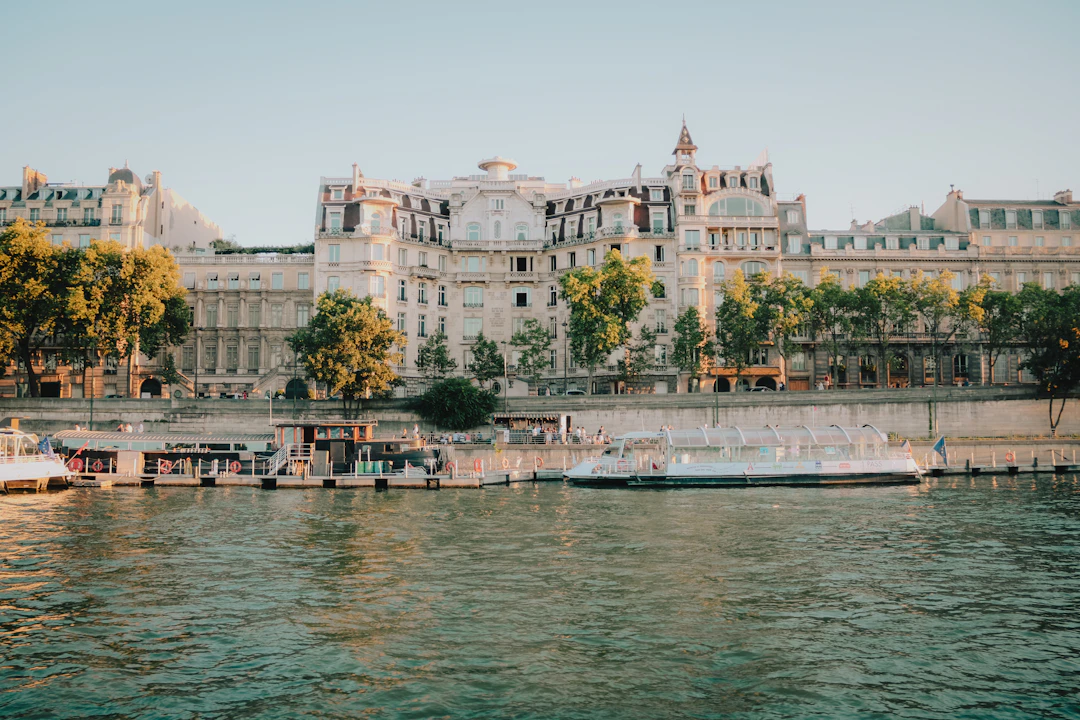
Experiencing paris without crowds 2026 requires a shift in your daily schedule rather than missing out on major sights. The secret lies in temporal displacement—visiting famous landmarks during unconventional hours when the masses are dining or sleeping. For instance, standing by the banks of the Seine at 6:30 AM offers an ethereal silence where the only sound is the gentle lapping of river water against the stone quays and the distant call of river birds.
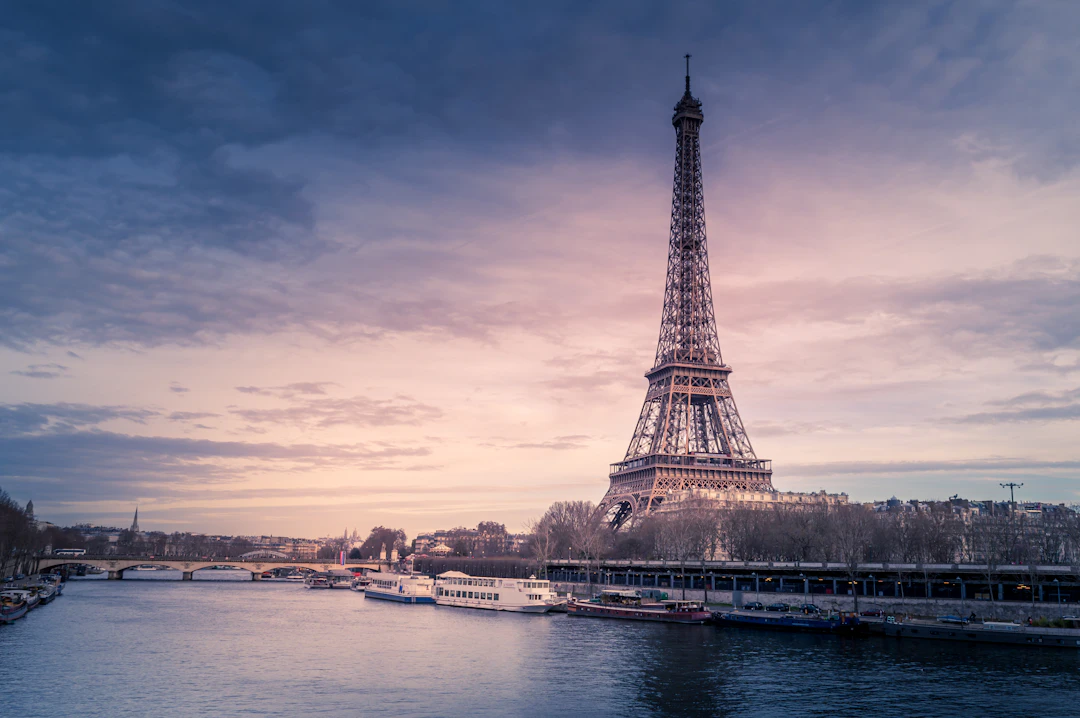
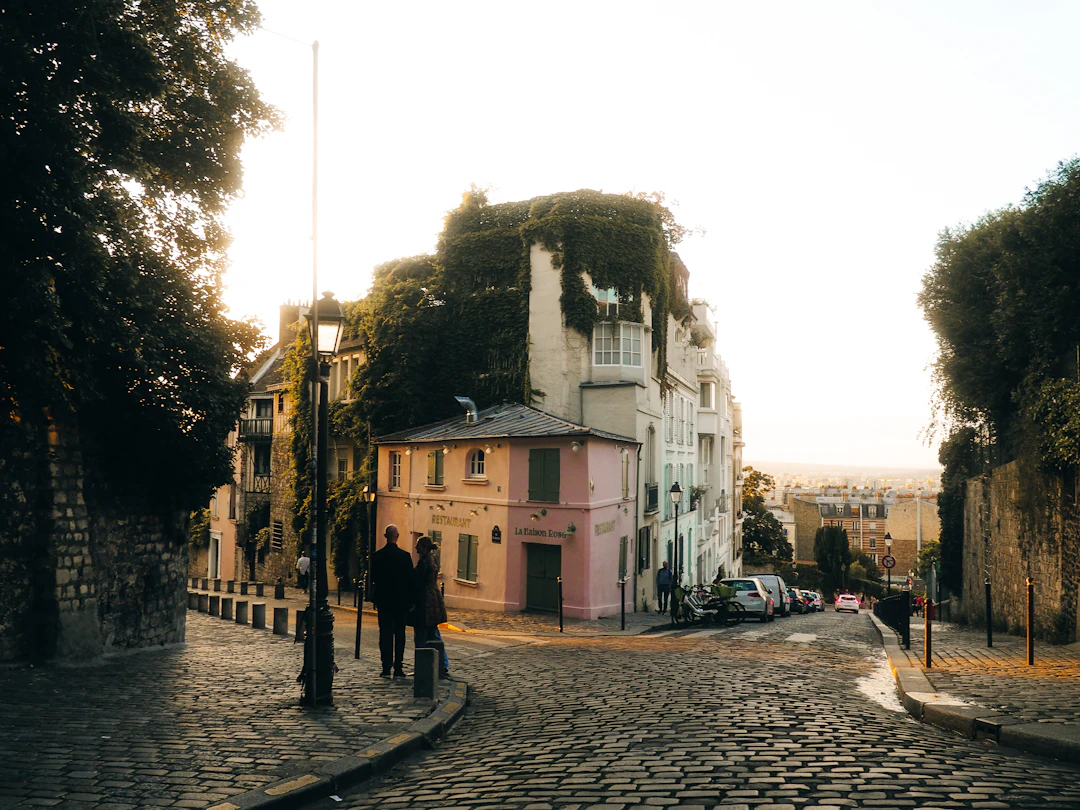
⚠️ Warning: Avoid attempting to visit major tourist hubs like Montmartre or the Eiffel Tower between 11:00 AM and 5:00 PM if your goal is tranquility. Plan your monumental sightseeing strictly for dawn or dusk.
Prioritizing lesser-known cultural institutions ensures you can contemplate masterpieces in absolute quiet. Many municipal venues offer free museums paris 2026 access, allowing you to wander through historic mansions and contemporary galleries without booking fees or ticket lines. Exploring places like the Maison de Victor Hugo or the Musée de la Vie Romantique gives profound artistic enrichment in serene, domestic settings.
Day Trip Ideas for Mindful Explorers
When the urban energy begins to feel overwhelming, expanding your horizons with well-chosen paris day trip ideas 2026 offers an immediate restorative balance. Escaping the city limits doesn’t require high-speed stress. Regional trains can transport you to ancient forests and royal estates in under an hour. Consider taking a morning train out to the medieval town of Senlis, where quiet cobblestone alleys wind past ancient Gallo-Roman ramparts and Gothic cathedrals framed by dense forest reserves.
Another exceptional day trip for the mindful traveler is the Vallée de Chevreuse, located just southwest of Paris. Here, you can hike through rolling hills, explore the romantic ruins of the Abbaye de Chaalis. And walk along tranquil streams that once inspired nineteenth-century impressionist painters. These regional escapes remind us that tranquility is often just a short train ride away from the capital’s epicenter.
Sustainable and Mindful Urban Etiquette
As a slow traveler in 2026, your impact on local communities matters profoundly. Practicing sustainable and mindful urban etiquette ensures that your presence is welcomed by local residents who appreciate quiet, respectful visitors. This means keeping noise levels low in residential stairwells and interior courtyards, supporting independent neighborhood bakeries rather than corporate chains. And choosing to walk or use public transit instead of hailing private ride-share vehicles that contribute to street congestion and noise pollution.
Respecting the acoustic ecology of Paris also involves mindful observation—listening more than you speak and embracing the local custom of greeting shopkeepers with a polite ‘bonjour’ upon entering their establishments. By adopting these small yet meaningful habits, you become an ambassador for thoughtful tourism, helping to preserve the authentic charm of Paris for generations of slow travelers to come.
Conclusion and Final Reflections
Embracing Paris through the lens of slow travel and quiet exploration opens up a dimension of the city that most hurried tourists never get to witness. By weaving together off-season strategies, neighborhood-specific lodging choices. And self-guided walking routes, your journey becomes a deeply personal narrative rather than a standard sightseeing checklist. Let the hidden passages, silent gardens. And unhurried cafes of this remarkable metropolis guide your steps as you redefine what it truly means to experience the City of Light.