Paris Without Crowds 2026: The Ultimate Slow Travel Guide
Discover Paris without crowds in 2026. Explore quiet walks, rainy day spots, neighborhood guides, and practical metro tips for a peaceful slow travel journey.
Introduction: The First Step on Wet Pavements
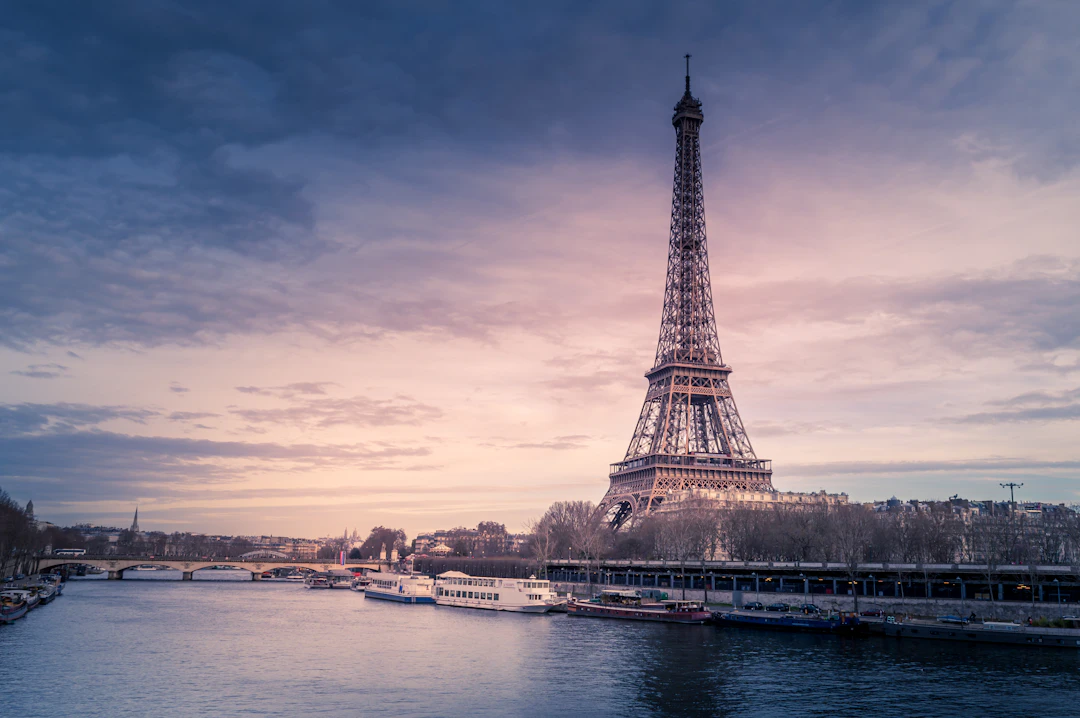
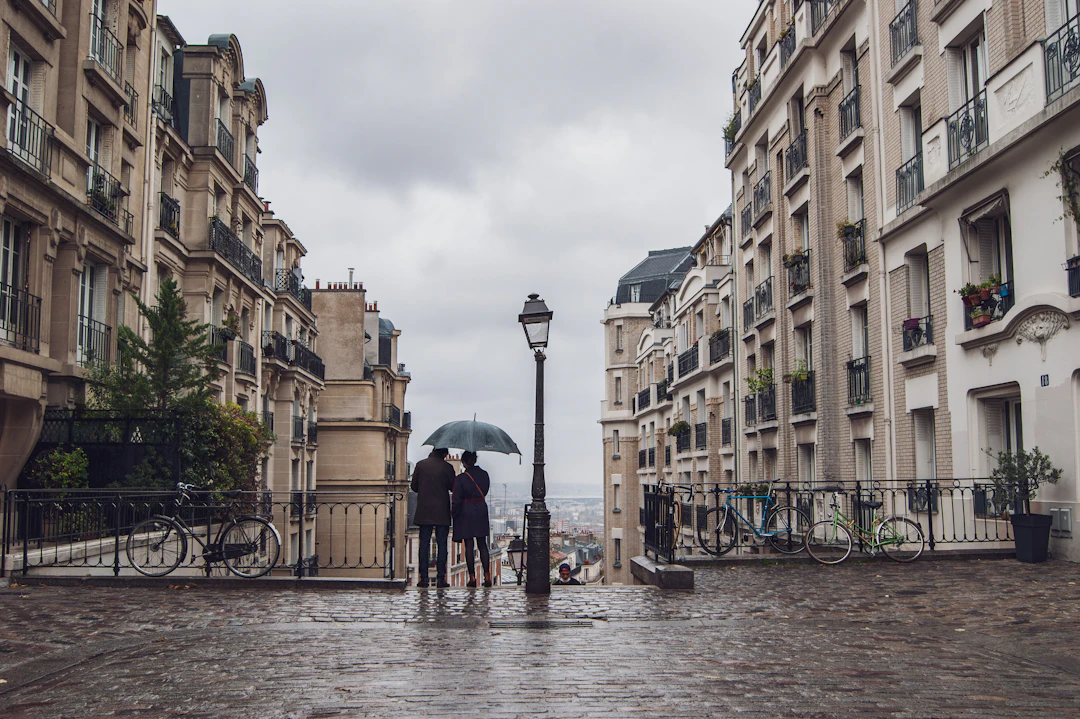
I arrived at the corner of Rue des Vignes just as a heavy spring drizzle began to gloss over the old limestone facades of the 16th arrondissement. The sharp, damp scent of wet asphalt and roasted chicory drifted from a corner tabac, cutting through the damp morning air with absolute clarity. While the tour buses idled three miles away outside the Eiffel Tower, this residential stretch offered an entirely different frequency of the city. As part of any complete paris 2026 travel guide, mastering the art of the silent walk requires leaving the primary avenues behind entirely. This year, the shift toward mindful exploration has redefined how visitors experience the French capital. By prioritizing quiet paris walks 2026 over frantic bucket-list ticking, travelers discover an urban landscape built for contemplation rather than congestion. The city rewards those who step off the standard tourist arteries, revealing an intricate network of residential courtyards, historic passages. And forgotten canals that remain untouched by mass tourism. Whether you are navigating your first visit or returning to uncover hidden gems paris 2026, embracing the rhythm of slow travel transforms the entire dynamic of your holiday. By aligning your pace with the quiet morning routines of local bakers, dog walkers. And street sweepers, Paris stops feeling like an open-air museum and starts feeling like a living, breathing neighborhood waiting to be understood on foot.
Unveiling the Hidden Passages of the Right Bank
Navigating the covered passages north of the Grands Boulevards offers an intimate look at nineteenth-century commercial architecture without the oppressive tourist traffic. My favorite route begins at Passage des Panoramas, accessible via Rue Saint-Marc in the 2nd arrondissement. Stepping through the iron-and-glass entryway instantly muffles the chaotic roar of city traffic, replacing it with the hollow echo of leather-soled shoes on original wooden floorboards. Built in 1799, this arcade is a masterclass in preserved urban heritage, featuring historic stamp shops, vintage postcard vendors. And traditional bistros that have stood the test of time. Continuing north through Passage Jouffroy and Passage Verdeau, the spatial experience shifts dramatically. Natural light filters down through towering glass barrel vaults, casting long, geometric shadows across antique book stalls and artisan marionette makers. These walkways serve as ideal self-guided walking tour routes, especially when you want to dive deep into local history without dealing with congested sidewalks. There are no entrance fees required to wander these architectural marvels, making them an essential stop for anyone seeking hidden gems in Paris. A coffee at a historic arcade café typically costs around €3 to around €5, providing a budget-friendly pause point before you re-emerge into the bustling streets of the Right Bank. Take your time inspecting the vintage typography on storefront signs. These details tell the silent story of Parisian commerce long before digital storefronts ever existed.
Canal Saint-Martin: The Slow Flow of the 10th Arrondissement
Farther east, the Canal Saint-Martin gives a stark contrast to the monumental grandeur of central Paris, establishing itself as a core highlight for paris off season travel 2026. Stretching from Place de la République up to the Bassin de la Villette, this waterway is lined with mature plane trees and cast-iron footbridges that echo the romanticism of nineteenth-century French cinema. Walking along the quays early in the morning reveals a side of the city where residents practice yoga on the cobblestones, sip espresso at corner terraces. And read poetry on wooden lock gates. The absence of heavy vehicular traffic along the immediate canal banks creates an acoustic sanctuary where the loudest sound is typically the gentle lap of water against stone walls or the distant clatter of a bicycle bell. To experience this stretch properly, start your walk at the majestic Rotonde de la Villette, located in the 19th arrondissement. And stroll south toward Place de la République. The total walking distance is roughly 4.5 kilometers, taking about one hour of leisurely movement. As you pass through the locks, notice the intricate engineering dating back to Napoleon Bonaparte’s original canal commission. It is an exceptional way to experience the city without crowds, offering an authentic glimpse into the daily lives of contemporary Parisians who treat these waters as their personal backyard garden.
Essential Metro Tips and Navigational Strategies for 2026
Mastering underground transit is crucial for maintaining a peaceful, stress-free itinerary in the French capital. With the city fully adapted to modern contactless ticketing systems by 2026, buy cardboard ticket books is a relic of the past. Instead, visitors load passes directly onto smartphones or use rechargeable Navigo Easy cards. To avoid the crushing peak-hour gridlock on Line 1 and Line 4, schedule your underground journeys between 10:00 AM and 4:00 PM, or after 8:00 PM. Embracing surface-level transit through the extensive bus network—such as Bus 69 or Bus 72—transforms a routine commute into an improvised sightseeing tour through historic districts. When you must use the metro, keep these operational realities in mind: single fares cost around €2.15 in 2026, and automated gates require a quick tap of your digital device or physical smart card. Avoid major interchange hubs like Châtelet-Les Halles during rush hour if you value your tranquility. Instead, transfer at smaller, quieter stations like Saint-Paul or Rambuteau. By combining smart transit choices with deliberate walking routes, you eliminate the frantic rushing that ruins so many modern vacations, allowing you to move through the city with effortless grace and complete peace of mind.
discover our paris day trip ideas 2026 guide · discover our paris walking tour self guided 2026 guide · discover our free museums paris 2026 guide
Neighborhood Guide: Where to Stay for Maximum Tranquility
Choosing the right district dictates the entire atmosphere of your Parisian holiday, making your selection of accommodations critical for a serene trip. For first-time visitors seeking an authentic yet manageable base, the Marais (spanning parts of the 3rd and 4th arrondissements) offers a harmonious balance of historic charm and modern convenience. While the main drag of Rue de Rivoli can be frantic, ducking one block north into Rue des Archives or Rue de Charlot reveals quiet residential courtyards, independent art galleries. And boutique hotels housed in seventeenth-century townhouses. Alternatively, for travelers prioritizing a distinctly village-like atmosphere, the Butte-aux-Cailles in the 13th arrondissement remains an unmatched sanctuary. This hilltop neighborhood escaped the sweeping nineteenth-century modernization projects of Baron Haussmann, preserving its winding cobblestone lanes, low-slung houses. And vibrant street art scene. Hotels and guesthouses in these neighborhoods typically range from €140 to around €230 per night depending on the exact season, offering a more intimate experience than the mega-hotels near the major monuments. Staying in these areas guarantees that your mornings begin not with the roar of heavy tourist traffic. But with the quiet rustle of bakeries unloading warm baguettes and the soft chime of neighborhood church bells echoing across empty streets.
Rainy Day Refuges: Indoor Escapes When the Weather Turns
Inclement weather should never derail a slow travel itinerary. Instead, it offers a magnificent excuse to explore the city’s quieter cultural interiors. When the spring skies open up, pivot away from open-air walks and dive into the wealth of free museums paris 2026 options that dot the urban landscape. Permanent collections at municipal institutions like the Musée Carnavalet (dedicated to the history of Paris) and the Maison de Victor Hugo offer profound educational experiences completely free of charge. Booking a timed-entry slot online ensures you bypass any queues, allowing you to walk straight into centuries of curated history without standing in the rain. For a specialized architectural escape, seek out the tranquil reading rooms of the Bibliothèque Sainte-Geneviève in the 5th arrondissement, or spend a quiet afternoon browsing rare volumes at Shakespeare and Company Bookstore across from Notre-Dame, though arrive right at its 10:00 AM opening time to secure a corner reading chair before the midday rush arrives. If you need a warm shelter during sudden downpours, duck into one of the city’s historic indoor shopping galleries or historic covered markets like Marché des Enfants Rouges in the 3rd arrondissement, operating daily from 8:30 AM to 7:30 PM (closing slightly earlier on Sundays). Here, you can sample artisanal cheeses and warm tagines while listening to the rain drum rhythmically against the glass roofing overhead, turning a gloomy afternoon into one of the most memorable sensory highlights of your entire journey.
discover our Noctourism 2026: best destinations for stargazing and night travel guide · discover our Regenerative travel 2026: how to leave places better than you found them guide
Crafting Your Budget-Friendly Slow Itinerary
Enjoying the French capital without financial stress or exhausting crowds requires a deliberate approach to daily scheduling and spending. A well-crafted budget friendly paris itinerary 2026 relies on free architectural walks, public parks. And neighborhood markets rather than expensive ticketed attractions. Begin your day with a fresh croissant and café au lait at a neighborhood counter for roughly around €4.50, then spend your morning exploring the sprawling green expanses of Parc des Buttes-Chaumont in the 19th arrondissement—completely free and largely overlooked by international tour groups. For lunch, pick up artisanal bread, local goat cheese. And fresh fruit from the outdoor market on Rue Mouffetard in the 5th arrondissement for less than €12 total. And enjoy a picnic overlooking the ancient Roman ruins of the Arènes de Lutèce. In the afternoon, embark on your self-guided walking tour through the quiet residential lanes of the Latin Quarter or the pastoral paths of Père Lachaise Cemetery in the 20th arrondissement, where the graves of historical icons rest beneath a peaceful canopy of old-growth trees. By eliminating costly admission tickets, overpriced tourist traps. And stressful taxi rides, your daily expenses remain comfortably low while your cultural immersion reaches unprecedented depths. This sustainable, mindful style of travel proves that the true magic of Paris is entirely free to those willing to slow down, put away their maps. And listen to the quiet heartbeat of the city.
Sources consulted: Lonely Planet (up-to-date practical travel information), Tourspain (Spain.info) (official Spanish tourism board) and Visit The USA (official USA tourism board).