Digital Nomads in Europe 2026: Estonia #1, Iceland, Portugal, Montenegro, Croatia
Sept 21: 2026 ranking of 40 European countries (19 metrics) — Estonia #1 (€573 rent, €85 visa), Iceland (fastest internet), Portugal, Montenegro (€26 visa.
Key takeaways
- 2026 ranking (40 countries, 19 metrics): Estonia #1, Iceland #2, Portugal #3, Montenegro #4, Croatia #5 — rent, internet, visas, safety, healthcare weighed.
- Best value visas: Montenegro €26 for up to 730 days, Croatia 540 days; Estonia €85/year with top safety; Portugal €80/year with best infrastructure.
- Starter stack: e-Residency/admin, coworking day-passes first, insurance (SafetyWing/World Nomads style), Schengen 90/180 calculator, EES app pre-registration.
Your 2026 office is wherever the laptop opens — but the country around it decides the rent, the visa, the internet and the healthcare. A new 2026 ranking weighed 40 European countries on 19 metrics (rent, groceries, speeds, coworking, English, visas, safety, healthcare, events) and the winner surprises first-timers and confirms veterans: Estonia. Here is the top five, the costs that matter, and the starter stack to base yourself right.
From the toolkit — Elena Marsh: Ranking data via LEI Register as reported by Forbes and Euronews (Aug 2026); relocation context via Rumavi Global Relocation Index (Estonia #1 of 192) and Travel Tomorrow; Luxembourg nomad costs via The Nomad HQ (Sept 2026 update).
The top five, compared
| # | Country | City rent (1-bed) | Groceries/mo | Internet | Nomad visa | Safety note |
|---|---|---|---|---|---|---|
| 1 | Estonia | €573 | €247.80 | 113 Mbps | €85, 1 year | Highest safety (83) |
| 2 | Iceland | €2,098 | €541.62 | 279.55 Mbps (fastest) | Long-stay options | Top coworking density |
| 3 | Portugal | €919 | mid | 116.91 Mbps | €80, 1 year | Best infrastructure mix |
| 4 | Montenegro | €576 | €211.22 | solid | €26, up to 730 days | Budget pick, weaker healthcare |
| 5 | Croatia | mid | mid | solid | 540 days (2nd longest) | 3rd-highest safety |
Estonia wins on balance: reasonable costs, dependable infrastructure, digital-first administration (99% of services online 24/7, e-Residency for location-independent admin), half the country forested, second-cleanest air in Europe, low density. Tallinn’s old town plus Telliskivi creative quarter give the base character; the visa costs less than a week of groceries.
Iceland is the splurge: steepest rents and groceries in the study, but the fastest internet on the continent, most coworking per capita, most Airbnb availability, top-tier safety and events. One month in Reykjavik costs what three cost in Tallinn — pay it for the infrastructure and the landscapes, not the savings.
Portugal remains the default for good reason: excellent speeds, high English proficiency, €2 coffees, an €80 one-year visa and the continent’s most mature nomad infrastructure (Lisbon, Porto, Ericeira, Madeira’s dedicated village). City-centre rents (~€919) are the compromise.
Montenegro is the value hacker: a €26 visa lasting up to 730 days is unmatched, rents match Estonia, groceries run cheapest (€211). The trade is healthcare (the ranking’s weak spot) — pair with solid insurance and it’s the longest legal runway in Europe. Budva and Kotor Bay work autumn through spring.
Croatia rounds out the five with the second-longest stay (540 days), third-highest safety and strong Airbnb density — Split and Zagreb split the vote between coast and capital.
discover our 18 features missing on the new foldable iphone duo guide · discover our 48h planner ucl motor show strike 2026 10 13 guide · discover our accessory deals this weekend save on tvs headphones and guide
The rest of the map (short version)
Spain ranks 8th (148 Mbps internet, €73 visa — third-cheapest fee — strong healthcare, but €911 rents); Lithuania 9th (lowest income requirement ~€895/mo, cheapest connectivity); Romania 10th (deep affordability). At the bottom: Ireland (no nomad visa) and Switzerland (no nomad visa, top costs). The lesson repeats: a visa regime beats vibes — countries that legislated for nomads top the list; countries that didn’t, don’t.
The relocation wide-angle agrees: the Rumavi Global Relocation Index 2026 puts Estonia #1 of 192 territories (World Bank prices, Mercer cost of living, peace indices), with Singapore, Malaysia, Portugal and Taiwan rounding out the top five — Malaysia first on the digital-nomad-weighted cut, Portugal second.
The Luxembourg footnote (sprint, don’t settle)
Trending searches (+470%) will tempt nomads toward Luxembourg this autumn — go, but sprint. No dedicated nomad/freelancer visa means the 90-day Schengen clock runs; ~$5,500/month nomad budgets (The Nomad HQ) reflect real rents; café-work culture is thin vs southern/eastern hubs. The winning play: 2-4 productive weeks (superb day-trip range across three countries — see our Luxembourg guide), then rotate to Belgium, France or Germany. Confirm entry rules on guichet.public.lu before travelling.
The 2026 starter stack
- EES pre-registration — Travel to Europe app before every border (see our border survival guide); full steps in our app guide.
- Schengen 90/180 calculator — non-negotiable for visa-free nomads; overstays now feed the EES refusal log (70,000 and counting).
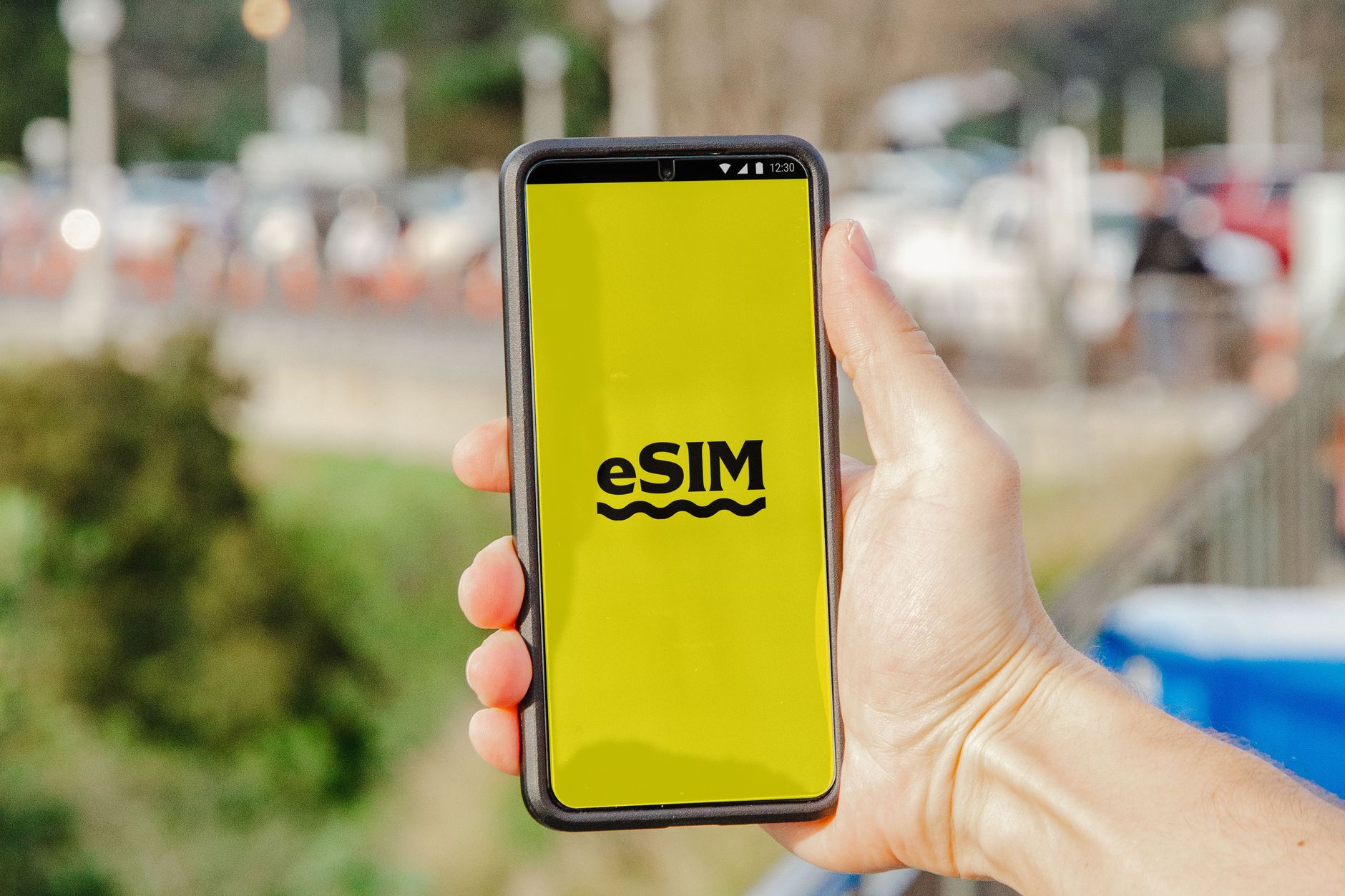
- Connectivity double — eSIM for landing day, local prepaid SIM for the month; test upload speeds (calls need 10+ Mbps up, not just downloads).
- Coworking day-passes first — buy 3-5 day passes across two spaces before any monthly membership; check noise, chairs, call booths, community.
- Insurance — nomad-style travel/medical cover (SafetyWing/World Nomads type products); verify Schengen minimums and adventure-sport clauses.
- ETIAS (€20) — launching Q4 2026; calendar it now so the first 2027 trip isn’t the one you forget.
- Money — multi-currency account, two cards on different networks, one backup stashed separately.
Why base in autumn 2026 (timing matters)
Autumn is the strategic season to start a European base. Summer crowds have left the coworking spaces and the rental market; landlords negotiate monthly rates from October; and the weather still allows the scouting walks that decide whether a city fits — you learn more from one October week on foot than from a month of summer reviews. Estonia’s forests peak in colour, Portugal’s coast stays workable, Montenegro’s riviera empties to locals.
Two calendar flags: the EES border system now runs full biometrics (September 6 change) — pre-register every entry via the Travel to Europe app or burn hours at kiosks. And ETIAS (€20) lands Q4 2026 — set up the authorisation before your first 2027 trip, not during it. Autumn 2026 is the last quarter of the old friction and the first of the new; bases chosen now should be chosen with both systems in mind.
Pick your base in one paragraph each
- Tight budget, long stay: Montenegro (730 days, €26) or Romania — bank the savings, buy the insurance.
- First base ever: Portugal — infrastructure forgives beginners; community is instant.
- Infrastructure maximalist: Estonia or Iceland — everything works, always.
- Coast + culture: Croatia (Split) or Spain (Valencia over Barcelona for rents).
- Autumn sprint: Luxembourg (2-4 weeks), then rotate.
Rankings guide; weeks decide. Book one month, keep the exit cheap, and let the base earn the second month.