Avoid Overtourism in 2026: Smarter Destination Choices
Discover how to avoid overtourism in 2026 with smarter destination choices. Tips, trends, and peaceful alternatives to the world's most crowded hotspots.
How to Avoid Overtourism in 2026 with Smarter Destination Choices
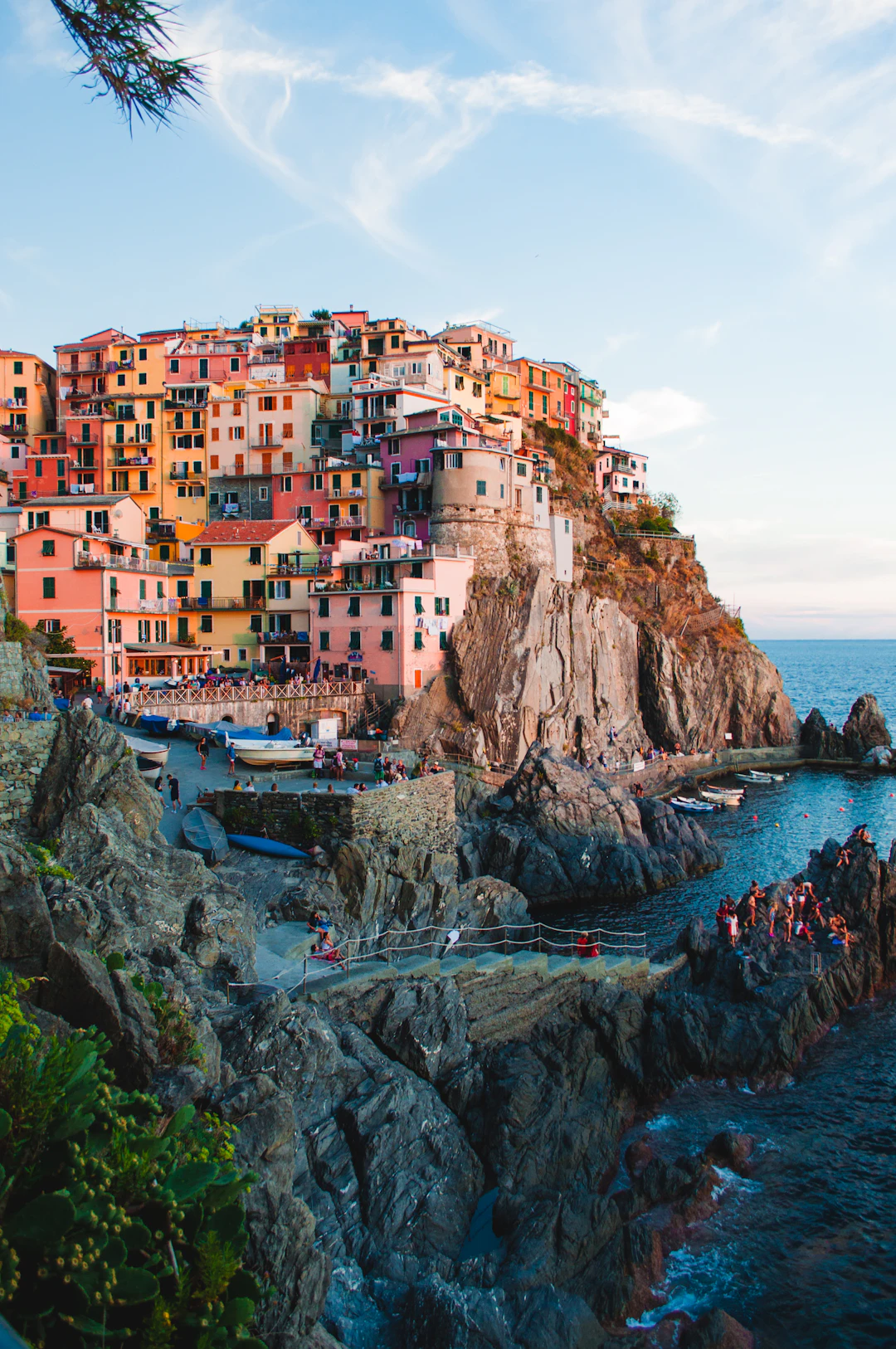
The phenomenon of overtourism is profoundly reshaping the way we travel the world. As visitor flows reach historic highs, congestion at iconic sites weighs heavily on the quality of life of local residents and irreversibly diminishes the visitor experience. According to the World Tourism Organization, this overcrowding is generating unprecedented tensions that call for a radical paradigm shift. In 2026, traveling smartly is no longer a simple aesthetic choice but an ethical and logistical necessity. To escape the packed crowds, it becomes essential to adopt sharp planning strategies, target lesser-known alternatives. And reinvent our relationship with time and space.
Why This Turning Point is Necessary in 2026: The Era of Jomo-Travel
Jomo-travel (the joy of missing out, inspired by the Joy Of Missing Out concept) is emerging as the most elegant and effective response to the oversaturation of the world’s great metropolises. Rather than chasing the viral attractions immortalized on social media, savvy travelers now seek peace, slowness. And an authentic connection with nature. This underlying trend is redefining the travel industry by valuing silence and contemplation.
Related read: Train vs. Plane 2026: CO2, Cost & Time Comparison.
✨ The true luxury of the 2026 traveler is no longer seeing what everyone sees, but feeling what few have ever known.
Global awareness is accelerating. From European metropolises to Asia’s natural sanctuaries, local authorities are tightening regulations, introducing visitor quotas, deterrent stay taxes. And bans on certain garments or behaviors in sacred places. In this context, continuing to travel as we did in 2019 inevitably leads to disillusionment: endless queues, saturated transport. And a sense of alienation. Adopting an informed approach to travel not only frees you from these inconveniences but also redistributes economic benefits toward regions that genuinely need them, far off the beaten path.
Decoding Overtourism: Mapping Risk Zones and Their Alternatives
To pull off successful escapes, it is essential to identify the mechanisms that turn a peaceful place into a congestion zone. The world’s top overtourism destinations share similar characteristics: a high concentration of standardized hotels, service by low-cost airlines funneling through a few airports. And relentless digital hype. Against this, undertourism offers a welcome counterweight. It means steering your steps toward regions forgotten by traditional circuits that nonetheless boast exceptional natural and cultural heritage.
Related read: Train or Plane in Europe: Which Is Cheapest and Fastest in 2026?.
Meticulous planning begins with analyzing the visitor data published by authoritative organizations. By regularly consulting the reports of the Organisation for Economic Co-operation and Development (OECD) or the analyses of the International Union for Conservation of Nature (IUCN), you can spot pressure zones before they collapse under the weight of visitors. For example, instead of setting your sights on the overcrowded canals of Venice, consider the peaceful waterways of the Po delta or the hidden lakes of the Italian Dolomites. This approach requires an initial research effort, but it guarantees stress-free holidays.
💡 Pro tip: Use local mapping tools and regional blogs written in the country’s language to discover villages within an hour of the big hubs, where traditional accommodation offers unbeatable value for money.
Practical Strategies for Peaceful, Crowd-Free Holidays
📖 See also: Kyoto Travel Guide
Traveling without enduring the crush demands a rigorous methodology. Here are the eight essential steps to structure your journeys smoothly and respectfully:
- Shift your calendars: Deliberately travel in the low or mid-season (March–April or October–November), when visitor flows drop by more than 50%.
- Prefer regional trains: Mass aviation concentrates travelers in a few saturated airport hubs. The regional rail network drops you off at authentic secondary stations.
- Choose independent accommodation: Avoid the big hotel chains in the heart of hyper-centers and opt for family-run structures in rural fringes.
- Explore on foot or by bike: Soft mobility opens up corners of the world that tourist coaches can never reach.
- Consult regional tourist offices: They often flag lesser-known alternative trails that are just as spectacular.
- Adopt off-peak hours: Visit major monuments at dawn (right at opening) or at dusk, avoiding the 11am-to-4pm window.
- Limit your digital footprint: Avoid geo-tagging fragile, secret places in real time to preserve their tranquility.
- Pack smart: To travel light and efficiently on trains or buses, slide your belongings into compression packing cubes for carry-on travel, ideal for optimizing cabin space without adding bulk.
Comparing Approaches: Mass Tourism versus Alternative Travel

To properly measure the impact of your choices, a comparison between traditional travel modes and the sustainable practices recommended for 2026 is essential.
| Evaluation criterion | Mass Tourism (Saturated) | Alternative & Peaceful Travel | Impact on destination |
|---|---|---|---|
| Departure period | July – August (Summer peaks) | May, June, September, October | Balanced distribution of the load |
| Accommodation type | Giant hotel residences | Guest houses and rural lodges | Direct payback to residents |
| Transport mode | Daily low-cost flights & coaches | Regional trains and soft mobility | Reduced CO2 emissions |
| Site attendance | Hyper-centers and viral monuments | Remote valleys and regional parks | Preservation of fragile ecosystems |
This table shows that every logistical decision directly influences the sustainability of a territory. By simply changing your departure period and accommodation type, you immediately relieve local infrastructure.
Common Pitfalls and Misconceptions: How to Avoid the Easy Ways Out
📖 See also: LA 2028 Olympics Travel Guide
Despite good intentions, many travelers commit strategic errors that lead them straight into the crowds they are fleeing. Here are three major pitfalls to avoid at all costs:
- Pitfall #1: Believing the countryside is always empty. The reality: Some regional nature parks or picturesque villages suffer intense summer overcrowding (the weekend “hotspots”). The solution: Target lesser-publicized mountain ranges or intermediate hill zones rather than the ultra-famous national parks.
- Pitfall #2: Booking at the last minute expecting to find a rare gem. The reality: Authentic, responsible accommodation is fully booked months in advance, leaving you only mass-market structures. The solution: Plan your accommodation at least six months ahead, prioritizing eco-responsible labels.
- Pitfall #3: Blindly following social media recommendations. The reality: Algorithms favor virality, concentrating thousands of people on the exact same cramped viewpoints. The solution: Use paper topographic maps and specialist guides focused on local cultural heritage rather than visual aesthetics.
📍 Local insight: In Mediterranean or Alpine hinterland villages, residents particularly appreciate visitors who take an interest in local traditions and farmers’ markets. A world away from impersonal souvenir shops.
Budget, Costs and Investments for Sustainable Travel in 2026
Contrary to popular belief, choosing alternative destinations and avoiding overtourism does not mean excessive spending. Quite the opposite: the 2026 travel insurance comparison and budget management show that venturing off the beaten path generates substantial savings. Prices in undertourism regions are generally 30% to 50% lower than in the big tourist capitals.
For a ten-day stay in rural Europe or preserved regions, plan an average budget of €70 to €110 per day per person, all inclusive (charming accommodation, meals in local bistros, regional transport). By comparison, an equivalent stay in a saturated European capital easily exceeds €180 to €250 per day, due to inflated accommodation prices and tourist levies. Investing in a good 2026 travel prep checklist and taking out suitable travel insurance guarantees total financial peace of mind, protecting you from the unexpected without weighing down the bill.
| Expense item | Saturated destination (average) | Alternative destination (average) | Savings made (%) |
|---|---|---|---|
| Accommodation (1 night) | €160 – €250 | €75 – €110 | ~ 55% |
| Meals (per day/person) | €45 – €80 | €25 – €40 | ~ 45% |
| Local transport | €30 (tourist pass) | €12 (regional train) | ~ 60% |
| Activities & visits | €40 (skip-the-line tickets) | €10 (local museums) | ~ 75% |
A Real-World Itinerary: A Peaceful Escape Off the Beaten Path

Let’s imagine a concrete seven-day itinerary designed to illustrate this approach in 2026. The goal: to discover rich heritage while completely avoiding the crowds.
- Day 1 and 2: Arrival and settling in. Instead of dropping your bags in a big historic city, take a regional train to a preserved town in the foothills or a verdant valley (for example, the Haute-Loire region in France or the Soča Valley in Slovenia). Settle into a guest house restored by local artisans.
- Day 3 and 4: Nature immersion and slowness. Dedicate these days to gentle hikes on signposted forest trails. No e-tickets, no queues: just the sound of the wind in the trees and the discovery of small built heritage (Romanesque chapels, stone fountains).
- Day 5 and 6: Encounters and local gastronomy. Visit the farmers’ market of the neighboring village on a weekday morning. Chat with local producers, sample artisan cheeses and breads in a village café, far from the hubbub of tourist shopping zones.
- Day 7: Reflection and a serene departure. Enjoy one last sunrise over the hills before catching the regional train, with a rested mind and the clear conscience of having traveled responsibly.
⚠️ Heads up: Always respect the serenity of local wildlife and the quiet of residents by avoiding noise and staying off private land during your hikes in rural areas.
Expert Perspective: Technology Solutions and Risk Management
📖 See also: Pau Travel Guide
Research conducted by industry specialists highlights the need for intelligent regulation. As expert Azizul Hassan points out in his reference work Overtourism, Technology Solutions and Decimated Destinations (2021), integrating digital crowd-flow prediction tools allows local authorities to distribute visitors fairly across space and time. Meanwhile, researcher Anukrati Sharma, in Overtourism As Destination Risk (2021), analyzes how overcrowding constitutes a major systemic risk for the economic and cultural sustainability of territories.
These academic analyses echo directly in the recommendations of Narendra Kumar (2025), who insists on the importance of co-creating tourism policies that directly involve residents. For travelers, this means that keeping informed through rigorous institutional sources. Such as World Tourism Organization publications or the official portals of regional nature parks. Is the best shield against the disappointments of overtourism. By combining these theoretical insights with on-the-ground curiosity, you become a conscious actor in your own journey.
Editor’s verdict
Avoiding overtourism in 2026 does not require giving up travel. But exercising sharper discernment. By favoring secondary destinations, soft mobility. And shoulder seasons, you restore full meaning to the art of discovery.
📝 Editor’s note
At GlobalSilentWalks, we firmly believe that tomorrow’s travel is measured in quality of presence rather than in the quantity of sites ticked off a list. This article was designed to offer you concrete solutions in the face of global tourist saturation.
Conclusion and Perspectives for Your Future Trips
Ultimately, choosing to leave the beaten path and embrace alternative destinations represents far more than a traveler’s trick: it is a commitment to preserving our planet and to respecting the communities that welcome us. The trends for 2026 confirm that mass tourism is showing its limits and that the future belongs to those who will learn to cultivate the art of silence, slowness. And authentic discovery.
We invite you to extend this reflection and prepare your upcoming escapes by exploring the resources and themed guides available on our GlobalSilentWalks platform. Together, let’s redefine travel as a rewarding, respectful, and profoundly human experience.
Sources consulted: Wikipedia (historical and encyclopedic context), National Geographic Travel (in-depth destination reporting). And Rick Steves (independent travel advice and itineraries).
- How do I find an overtourism-hit destination on a small budget?
- Destinations suffering from overtourism often show exorbitant accommodation prices in high season. To travel on a small budget while escaping the crowds, target secondary zones or satellite towns 45 minutes from the saturated hubs, where guest houses and local transport remain 40% cheaper.
- Why choose an alternative destination over a tourism hotspot?
- Choosing a lesser-known alternative guarantees authentic cultural immersion, privileged contact with locals, and no endless queues. It also helps preserve fragile ecosystems and support the local economy fairly.
- Is a heavily visited destination really worth it?
- Rarely at peak times. If you must visit an iconic site, the key lies in timing: exploring at dawn or in the off-season (November to March) can radically transform your experience, although absolute calm remains rare.
- What is the best time to visit sites threatened by over-tourism?
- Go for shoulder seasons such as April–May or October. That is the ideal window: the weather stays pleasant, local infrastructure runs at full capacity, and visitor flows drop by 60% compared with the summer peaks.
- What are the best under-the-radar places to prioritize in 2026?
- To replace saturated European capitals, turn to the Carinthia region in Austria, Triglav National Park in Slovenia, or the rural areas of the Alentejo in Portugal, all offering absolute calm and grand landscapes.
Plan Your Trip & Start Walking
Ready to slow down and Avoid Overtourism in 2026? Bookmark this guide, pick the silent walk that calls to you. And let the destination reveal itself one quiet step at a time.