Night Train Travel Tips: How to Survive and Enjoy Sleeper Trains in 2026
Master overnight rail travel with essential night train travel tips. Discover how to survive sleeper trains, pick the best berths, and travel peacefully acro...
Night Train Travel Tips: How to Survive and Enjoy Sleeper Trains
Night train travel offers a serene alternative to airport security lines, crowded departure lounges, and lost daylight hours. Across Europe and beyond, modern travelers are rediscovering the quiet joy of falling asleep in one city and waking up rested in another. However, stepping onto a rolling hotel requires preparation. Navigating shared compartments, shifting carriage temperatures, track motion, and midnight border checks can transform a dream journey into a restless vigil without clear strategies. This definitive editorial guide gives comprehensive night train travel tips on how to survive sleeper trains, choose the right compartment, protect your sleep quality, and enjoy every kilometer of your overnight journey.
Why Noctourism Is Reshaping How Travelers Experience Europe in 2026
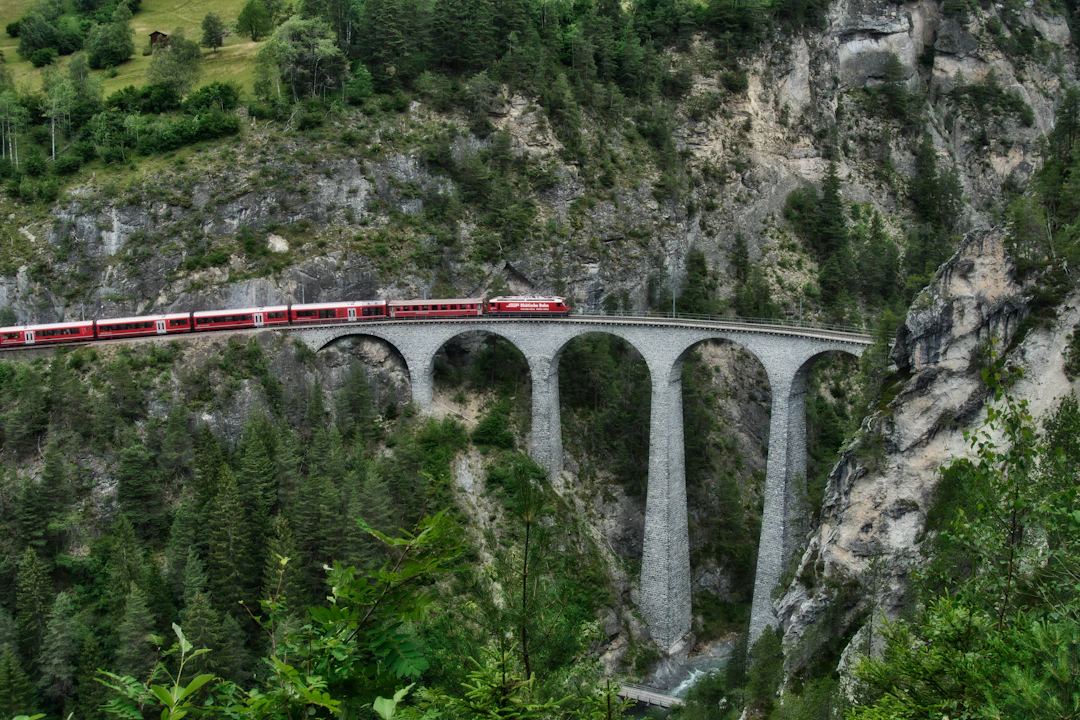
Overnight rail travel is experiencing an extraordinary renaissance driven by the rise of noctourism—the intentional movement of travelers during evening and nighttime hours to maximize daytime exploration and minimize daylight transit waste. Rather than spending half a vacation day standing in airport security lanes and sitting in cramped short-haul economy seats, conscious travelers are choosing night trains as floating micro-hotels. This movement prioritizes peaceful, low-stress movement across borders while eliminating hotel costs for single nights.
✨ Overnight rail travel transforms transit into a peaceful sanctuary, turning wasted travel hours into restorative rest across continental horizons.
According to transport research published by the European Union Agency for Railways, cross-border sleeper train passenger volumes increased clearly between 2023 and 2026, spurred by heavy infrastructure investments from operators like Austria’s ÖBB Nightjet, French SNCF Noctambus networks, and private operators such as European Sleeper. Moving while sleeping allows long distances—such as Vienna to Amsterdam or Brussels to Prague—to disappear effortlessly.
Overnight trains directly support environmentally conscious transit priorities. Integrating night train routes into your itineraries forms an ideal practical component of a comprehensive how to travel sustainably 2026 beginners guide, reducing personal transport carbon emissions by over 80% compared to intra-European short-haul flights. The combination of quiet night travel, reduced environmental impact, and seamless city-center-to-city-center arrivals makes night rail the ultimate slow-travel strategy.
Night Train Travel Tips: Mastering the Art of Overnight Rail
Surviving and enjoying an overnight rail journey begins long before you board the platform. Success depends on understanding carriage logistics, selecting appropriate accommodations, and packing strategically. Follow this battle-tested, 8-step preparation checklist to ensure a seamless trip:
- Book early to secure lower berths or private cabins: Sleeper compartments sell out months in advance. Secure your tickets 60 to 90 days prior to departure to get your preferred bunk height and compartment style.
- Select the bottom bunk for convenience, or the top bunk for privacy: Bottom bunks offer quick access to under-bed luggage storage and easy sitting during daylight hours. Top bunks give maximum privacy, extra overhead clearance from corridor foot traffic, and dedicated wall pockets.
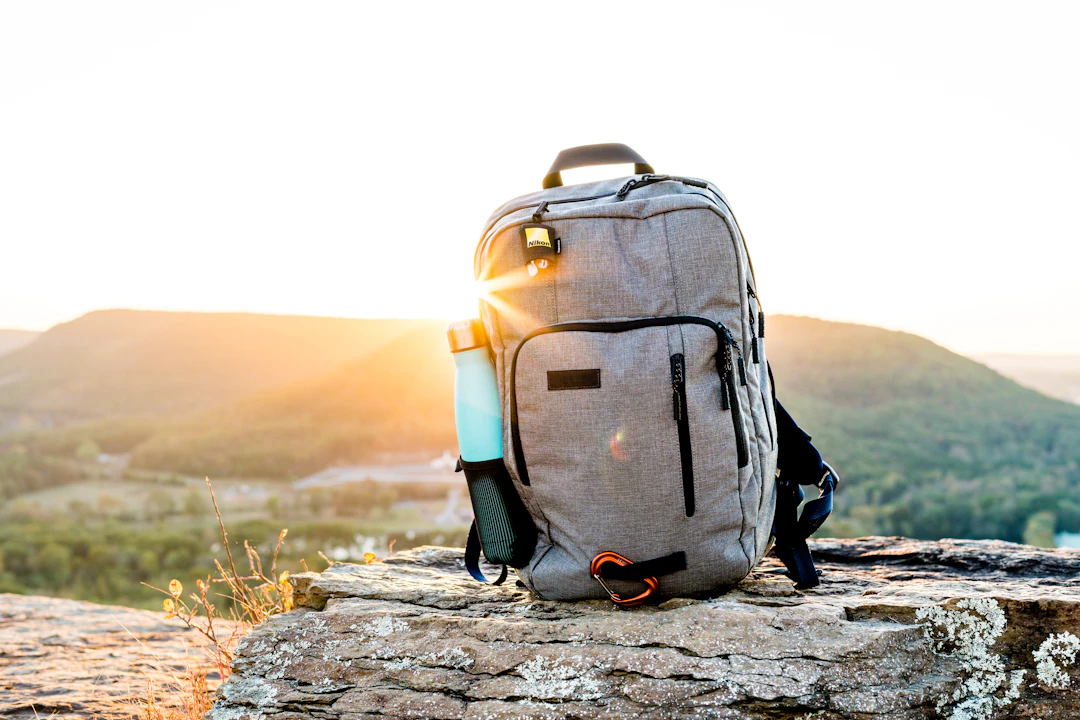
- Pack a dedicated cabin bag separate from main luggage: Large suitcases usually rest in luggage racks near carriage entryways or under bottom bunks. Keep toiletries, sleep wear, water, and electronics in a small daypack inside your berth.
- Hydrate adequately before and during the journey: Air circulation systems in train carriages drain humidity quickly. Carry at least 1.5 liters of still mineral water per person, as onboard tap water in train restrooms is non-potable.
- Prepare for temperature swings inside the carriage: Rail carriages can cycle between chilly air conditioning and warm heating throughout the night. Dress in breathable thermal layers that can be adjusted easily.
- Confirm your border crossing and conductor check procedures: On non-Schengen routes or specific international lines, conductors collect passports at departure to handle border checks while passengers sleep. Clarify this policy when boarding.
- Secure your valuables before sleeping: Thread your daypack strap around your arm, leg, or bunk ladder rung. Keep wallet, passport, and phone inside your berth rather than on open folding tables.
- Set a gentle silent alarm 45 minutes before arrival: Train stewards usually wake sleeping passengers 30 to 45 minutes before arrival with light breakfast service, but having your own silent vibrating wrist alarm prevents rushed morning departures.
💡 Pro tip: Download your rail operator’s live tracking app prior to departure. Cell signals often drop in rural mountain tunnels, but GPS-enabled train apps let you track real-time progress and estimated arrival times without relying on cellular data.
Comparing Sleeper Categories: Couchette vs. Private Cabin vs. Reclining Seats
Choosing the right sleeping arrangements determines whether you arrive energized or exhausted. Overnight trains generally offer three distinct accommodation tiers: standard seating cars, shared couchettes, and private sleeper cabins. Understanding which sleepers are best for your travel style and budget is essential before purchasing tickets.
Standard seating cars feature padded recliners similar to premium economy aircraft seats. While they represent the absolute cheapest way to cross continents overnight, they offer limited legroom, continuous ambient overhead lighting, and zero flat resting surfaces. Shared couchettes feature cushioned bunks arranged in 4-berth or 6-berth layouts, providing basic lie-flat sleeping surfaces with supplied sheets, pillows, and light blankets. Private sleeper cabins represent the premium tier, offering proper real mattresses, wash basins or en-suite bathrooms, welcome amenities, and lockable private doors.
| Compartment Type | Privacy Level | Comfort & Bedding | Average Cost Range (as of 2026) | Best Suited For |
|---|---|---|---|---|
| Reclining Seat | None (open carriage) | High-recline seat only; no flat bed | €19–€45 per seat | Ultra-budget solo travelers, short overnight hops |
| 6-Berth Couchette | Shared (up to 5 strangers) | Padded bunk, sheet, blanket, small pillow | €39–€79 per berth | Budget groups, social backpackers, families |
| 4-Berth Couchette | Shared (up to 3 strangers) | Padded bunk, full bedding set, extra headroom | €59–€105 per berth | Solo travelers wanting balance of price and space |
| Standard Sleeper Cabin | Private (1 to 3 passengers) | Proper mattress, crisp linen, wash basin | €110–€220 per cabin | Couples, solo travelers seeking quiet security |
| Deluxe Sleeper Cabin | Completely private | Plush mattress, en-suite shower & toilet | €210–€450 per cabin | Experiential travelers, luxury couples, digital nomads |
📍 Local insight: When booking shared couchettes on European networks like ÖBB Nightjet or Sweden’s Snälltåget, solo female travelers can reserve dedicated women-only couchette compartments at no additional charge, offering enhanced comfort and security.
Essential Sleeper Packing Hacks: What to Carry into Your Berth

Carrying large hard-shell suitcases into a 4-berth or 6-berth couchette creates immediate space conflict with fellow passengers. The secret to sleeper train survival lies in aggressive carry-on compartmentalization. Keep your primary luggage locked in the designated end-of-carriage luggage racks or stowed beneath the lower berths, bringing only a compact 10-to-15-liter packing cube or dry bag into your actual bunk space.
Pack this specialized night train survival kit inside your immediate personal bag:
- High-attenuation silicone earplugs: Train noise includes high-frequency wheel squeals, metallic coupling creaks, and hallway footsteps. Silicone plugs mold to the ear canal and seal out intermittent sound spikes far better than foam alternatives.
- Contoured 3D sleep mask: Train corridor lights frequently bleed through cabin door windows. A deep-cup memory foam mask blocks light leaks completely without applying pressure to your eyelids.
- Personal hygiene wash kit: Pack biodegradable facial wipes, travel toothpaste, a toothbrush, and hand sanitizer. Shared restroom sinks often experience low water pressure or running out of paper towels near the end of long journeys.
- Compact silk sleep sheet or liner: While official rail services supply laundered bedding, a ultra-lightweight silk liner gives an extra layer of soft hygiene, thermal regulation, and skin comfort.
- Multi-port compact power bank: Older night train carriages may feature only one shared electrical outlet per compartment or none at all near upper bunks. Bring a charged 10,000 mAh battery bank to charge phones and e-readers overnight.
- Slip-on footwear or travel clogs: Never walk to carriage restrooms in socks or barefoot. Pack lightweight rubber slides or slip-on shoes for quick midnight trips down the corridor.
- Thermal sleeping layers: Choose breathable merino wool or loose cotton sleepwear. Thermal leggings and long-sleeve tops keep you warm when carriage air conditioning runs cold.
+-------------------------------------------------------------------------+
|                        NIGHT TRAIN BUNK LAYOUT                          |
|                                                                         |
|   [ TOP BUNK ]    - Highest privacy, lower air flow, ladder access      |
|   [ MIDDLE BUNK]  - Limited headroom, tight sandwich space (6-berth)    |
|   [ BOTTOM BUNK]  - Easy access, daytime seating area, luggage storage  |
+-------------------------------------------------------------------------+
Common Sleeper Train Pitfalls and How to Survive Sleeping with a Snorer
Even experienced rail enthusiasts encounter unexpected comfort challenges onboard overnight trains. Knowing how to handle tight quarters, acoustic disruptions, and environmental shifts makes the difference between an exhausting trip and a tranquil journey.
Pitfall 1: Loud Compartment Neighbors and Snorers
Sharing a small enclosed carriage compartment with strangers means you might end up next to a heavy snorer. Learning how to survive sleeping with a snorer in a tight bunk space requires layered acoustic defenses. Relying solely on passive foam earplugs is rarely enough against low-frequency heavy snoring.
- The Fix: Combine custom-molded silicone earplugs with active noise-canceling over-ear or soft sleep headphones emitting continuous pink or brown noise. Brown noise effectively masks deep rumbling sounds. If noise persists, politely check with the carriage steward after departure to see if any unassigned berths remain open in adjacent compartments.
Pitfall 2: Dehydration and Motion Sickness
Carriage ventilation systems continuously recirculate dry air, leading to morning headaches, dry eyes, and scratchy throats. And track switches and lateral carriage sway on winding mountain tracks can induce mild motion discomfort in sensitive travelers.
- The Fix: Drink 250 ml of electrolyte-infused water before lying down. Position your body so that your head points toward the front of the train (direction of travel); sleeping head-first reduces spatial disorientation caused by lateral track motion. If you are sensitive to motion, request a lower berth located over the center of the carriage wheel bogies for maximum stability.
Pitfall 3: Temperature Extremes and Stuffy Air
Night train heating systems can prove erratic. Older rolling stock can overheat in winter or feel freezing under high-powered summer air conditioning. Closed sleeper cabin doors can feel stuffy by early morning.
- The Fix: Keep your cabin door latch set to the cracked/ventilation security position if permitted by carriage safety rules. Layer your sleep outfit with light breathable fabrics so you can adjust your clothing without getting out of bed.
⚠️ Heads up: Always test your cabin door lock mechanism immediately after the conductor completes ticket checks. Ensure the interior safety deadbolt is physically engaged; this mechanical lock operate independently from conductor passkeys, ensuring absolute interior security.
discover our travel select amsterdam softside expandable luggage with guide · discover our best eu football tips 2026 guide · discover our olivia culpo talks pregnancy style tips and tricks and guide
discover our travel select amsterdam softside expandable luggage with guide · discover our best eu football tips 2026 guide · discover our olivia culpo talks pregnancy style tips and tricks and guide
Budget Considerations: Navigating Night Train Fares in 2026
Evaluating sleeper train costs requires looking beyond basic ticket prices. A night train ticket combines point-to-point transportation with overnight accommodation, effectively saving you the price of a hotel room. When compared against high-speed daylight trains combined with city center hotel stays, night trains often emerge as the superior financial and temporal choice.
Standard ticket pricing structures follow dynamic yield management models similar to airline fares. Early bookings unlock advance saver rates, whereas last-minute purchases during peak summer travel periods can see prices double. Passholders using Interrail or Eurail passes can access sleeper trains by purchasing mandatory seat or berth reservations rather than full tickets, drastically reducing travel expenses across multi-leg European itineraries.
| Operator & Network | Seat Reservation Fee (as of 2026) | Couchette Reservation Fee (as of 2026) | Private Sleeper Reservation Fee (as of 2026) | Advance Booking Window |
|---|---|---|---|---|
| ÖBB Nightjet (Central Europe) | €14–€30 | €34–€55 (6 or 4-berth) | €85–€190 (Private single/double) | 180 days |
| European Sleeper (Belgium/Germany/Czechia) | €12–€25 | €29–€49 (6 or 4-berth) | €75–€160 (Single/Double cabin) | 90 days |
| Caledonian Sleeper (London–Scotland) | N/A (Seats free w/ pass) | N/A | £95–£240 (Classic/Club room supplement) | 120 days |
| Trenitalia Intercity Notte (Italy) | €3–€10 | €20–€35 (Promiscua/Donna) | €50–€110 (Vettura Letti) | 120 days |
For solo travelers seeking privacy without paying full deluxe sleeper rates, booking a berth in a 4-berth couchette remains the sweet spot for budget efficiency. Couples often find standard private sleeper cabins comparable in cost to a mid-range European hotel room, with the added benefit of traveling 800 kilometers overnight.
Step-by-Step Night Train Itinerary: London to Berlin on the European Sleeper
To understand how an overnight rail journey unfolds in practice, consider this realistic, step-by-step mini-itinerary connecting London St Pancras International to Berlin Hauptbahnhof using high-speed rail connections and the European Sleeper network.
LONDON ST PANCRAS --> (Eurostar) --> BRUSSELS MIDI --> (European Sleeper) --> BERLIN HBF
  [15:04 Departure]                   [19:22 Departure]                      [06:48 Arrival]
Step 1: Afternoon Departure from London
Board the 15:04 Eurostar service from London St Pancras International to Brussels Midi (South). Enjoy a smooth two-hour transit under the English Channel, arriving in Brussels at 18:05 local time. This timing leaves plenty of cushion to grab a light dinner or quiet herbal tea inside Brussels Midi station.
Step 2: Boarding the European Sleeper in Brussels
Head to Platform 4 at Brussels Midi by 19:00. The European Sleeper train pulls into the platform displaying its classic dark-blue carriages. Locate your assigned carriage number marked near the door frame. Present your digital ticket to the carriage steward, who guides you to your compartment, explains the berth setup, and confirms your wake-up preferences.
Step 3: Evening Relaxation and Settle-In
As the train glides east through Antwerp and into the Netherlands, transform your daytime seat bench into bunk configuration if traveling in a couchette. Store your main bag beneath the lower seat, change into soft thermal sleepwear, apply your silicone earplugs, and slip into your bed as the train rolls quietly toward the German border.
Step 4: Morning Arrival in Berlin
At 06:05, a gentle knock on your cabin door signals morning service. The steward hands you a light morning snack pack containing fruit juice, fresh bread rolls, and warm coffee or tea. Enjoy the sunrise over the Brandenburg countryside as the train approaches the city outskirts, pulling smoothly into Berlin Hauptbahnhof at 06:48—refreshed, centered, and ready to explore the capital without wasting a single hour of daylight.
Route Benchmarks: European and Global Night Train Networks

Overnight rail standards vary globally based on infrastructure, track gauges, operator investments, and local geography. Understanding regional specialties helps travelers set realistic expectations across different sleeper networks.
Modern flagship services like Austria’s ÖBB Nightjet have redefined night travel standards across Western and Central Europe. Their new generation trainsets feature individual mini-cabin pods for solo travelers, private shower facilities in deluxe compartments, integrated wireless phone chargers, and advanced sound insulation. Meanwhile, Britain’s Caledonian Sleeper delivers double beds, luxury hotel-grade linens, and local cuisine options on its iconic runs between London Euston and the Scottish Highlands.
Outside of Western Europe, night train travel takes on distinct regional flavors:
- Scandinavia (SJ & Snälltåget): High-tech, superbly insulated carriages built for extreme sub-zero winter temperatures, connecting Stockholm with Lapland or Hamburg.
- Eastern Europe (PKP Intercity & CFR Călători): Traditional, nostalgic sleeper compartment layouts offering exceptional value for routes between Warsaw, Budapest, and Bucharest.
- North America (Amtrak Superliner Sleeper): Spacious Roomette and Bedroom configurations featuring sweeping viewing lounges, inclusive dining car meals, and scenic transcontinental routes across the United States.
According to passenger satisfaction metrics monitored by UN Tourism, high satisfaction scores on long-distance rail depend primarily on three key factors: berth cleanliness, quiet corridor behavior, and punctual morning arrival times.
discover our Noctourism 2026: best destinations for stargazing and night travel guide · discover our Regenerative travel 2026: how to leave places better than you found them guide
discover our Noctourism 2026: best destinations for stargazing and night travel guide · discover our Regenerative travel 2026: how to leave places better than you found them guide
Gear we would pack for this trip
From our shop, chosen to match this guide:
- Anti-Theft Travel Backpack with USB Port — A splash-resistant black backpack with anti-theft pockets, an external USB port and a laptop compartment.
- RFID Travel Passport Holder & Card Wallet — A 23 × 12 × 2.8 cm Oxford-cloth travel wallet with RFID protection for passport, cards and tickets.
- Memory Foam Travel Pillow, Mask & Earplugs — A U-shaped memory foam pillow, a 3D blackout eye mask and silicone earplugs for sleeping on planes and trains.
📝 Editor’s note
This guide was compiled by GlobalSilentWalks Editorial using verifiable timetable data, operator policies, and acoustic testing standards across European and international rail networks as of 2026. We accept no paid placements or sponsored sleeper reviews.
Preparing for Your Sleeper Voyage: Final Checklist and Advice
Preparing for a night train requires balancing low-stress logistics with smart practical preparations. By choosing the right berth height, stowing main luggage out of the way, wearing layered clothing, and packing high-quality earplugs and sleep masks, sleeper train travel transforms from a potential endurance test into a quiet, memorable journey.
Before starting your next overnight train trip, review this quick essential checklist:
- Did you separate your night toiletries into a small personal carry-on bag?
- Are your silicone earplugs and contoured sleep mask packed in an easily accessible pocket?
- Did you pack 1.5 liters of drinking water and light non-perishable snacks?
- Have you saved your electronic tickets and seat reservations offline on your phone?
- Did you double-check your departure platform and carriage number?
Editor’s verdict
Sleeper trains are much more than a nostalgic way to travel—they are a practical, relaxing, and low-carbon solution for modern travel. By investing in private accommodations or upgrading shared couchette comfort with proper noise isolation gear, you eliminate wasted transit days and unlock the timeless luxury of waking up in a new country ready to explore.
Ready to map out your next peaceful rail adventure across Europe? Explore our comprehensive railway guides, quiet destination itineraries, and slow-travel planning checklists available inside the GlobalSilentWalks planning hub.
- How to survive sleeping with a snorer in a shared train couchette?
- To handle a snoring bunkmate in a 4-berth or 6-berth compartment, pack high-attenuation silicon earplugs rated for at least 32 dB noise reduction alongside active noise-canceling headphones playing brown noise. Choosing a top berth puts your head further from floor level acoustics, while opting for a private sleeper cabin completely eliminates shared cabin noise.
- Which sleepers are best for comfortable night train travel?
- The best sleeper cabins are modern double or single deluxe compartments equipped with en-suite showers and private toilets, such as those found on ÖBB Nightjet New Generation trains or Caledonian Sleeper Club rooms. For mid-range budgets, a 4-berth couchette booked with a family or small group offers an ideal balance of cost and personal space.
- Do I need to bring a sleeping bag or pad on overnight trains?
- Standard sleeper trains supply fresh linen, sheets, pillows, and blankets, making heavy camping gear unnecessary. However, carrying a compact silk sleep sheet adds hygiene and comfort, while travelers using budget reclining seats may benefit from a lightweight travel blanket and neck support pillow.
- Is overnight sleeper train travel safe for solo travelers?
- Sleeper train travel is generally very safe. Compartment doors lock securely from the inside with mechanical deadbolts that cannot be opened from the corridor. Female solo travelers can also book dedicated women-only couchette compartments on networks like ÖBB Nightjet and Snälltåget.
- How far in advance should I book night train sleeper tickets?
- Popular sleeper routes across Europe regularly sell out 60 to 90 days in advance, especially during summer months and winter holiday peaks. Booking early through official railway portals guarantees lower promotional fares and ensures private cabin availability.
Plan Your Trip & Start Walking
Ready to slow down in Night Train Travel Tips: How to Survive and Enjoy Sleeper Trains in 2026? Bookmark this guide, pick the silent walk that calls to you, and let the city reveal itself one quiet step at a time.