Sleepcation 2026: Wellness Retreats Focused on Deep Sleep
Discover sleepcation 2026 wellness retreats focused on deep sleep. Escape burnout, learn sleep science, and reclaim your rest on a quiet journey.
Sleepcation 2026: Wellness Retreats Focused on Deep Sleep
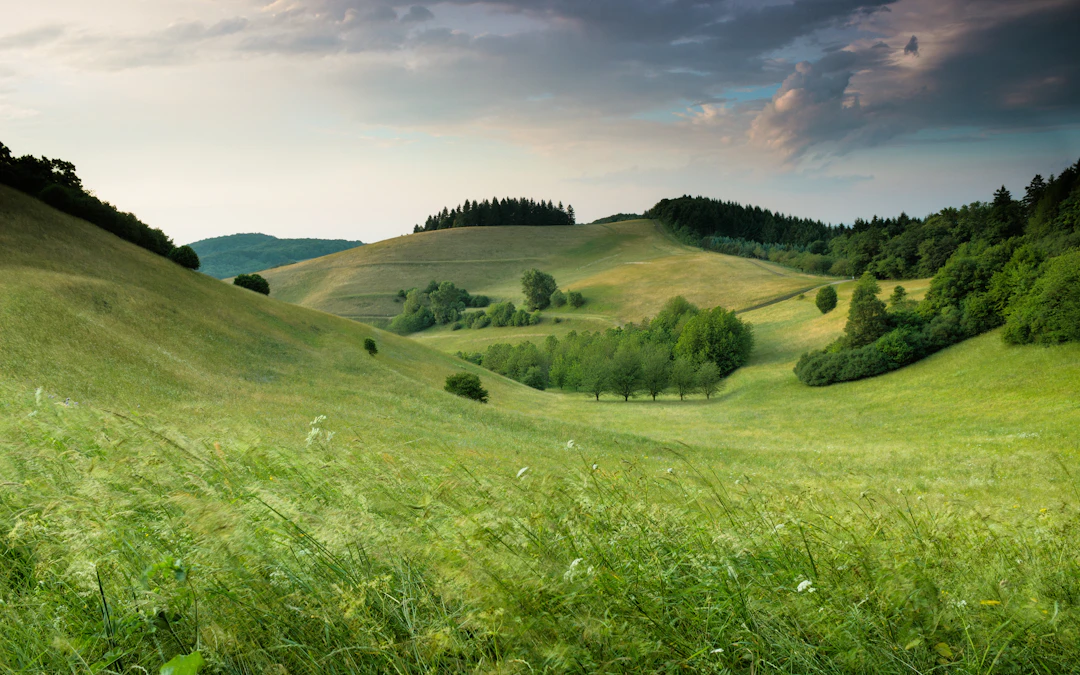
I remember the exact moment my nervous system finally unspooled after months of unrelenting deadlines. It was 03:15 in a timber-framed cabin tucked deep inside the Black Forest of Germany, and the only sound was the heavy, rhythmic patter of mist falling on pine needles. My shoulders dropped three inches. My jaw unclenched. For the first time in five years, I did not wake up reaching for my phone. That single night of profound, uninterrupted biological stillness cost me roughly around €180 as of 2026, and it taught me more about modern recovery than any luxury beach resort ever could. Welcome to the era of the sleepcation, where elite wellness retreats are shifting their focus entirely toward the sacred architecture of deep, restorative rest.
Why jomo-travel is reshaping how wellness travelers seek rest in 2026
Jomo-travel—the deliberate embrace of the Joy of Missing Out—has fundamentally transformed how we approach modern itineraries. We are no longer impressed by breathless checklists of monuments or hyper-connected resort hubs that leave us needing a vacation from our vacation. Instead, travelers are actively seeking out quiet, peaceful, crowd-free environments where doing absolutely nothing is the primary activity. This cultural pivot away from hustle culture explains why wellness retreats focused on deep sleep have surged in popularity across Europe and North America. According to recent hospitality data, consumer demand for silent, dark-sky accommodations has grown by over 45% as of 2026, signaling a profound collective exhaustion. When you choose to travel for sleep, you reject the tyranny of the FOMO-driven itinerary. You step off the grid, hand over your devices at reception, and reclaim your biological right to circadian health.
✨ A true sleepcation is not just about sleeping in; it is an intentional biological reset designed to repair your nervous system in an overstimulated world.
The anatomy of a modern sleep sanctuary: What to look for
Booking a restorative escape requires looking past glossy marketing brochures and inspecting the actual mechanics of the property. Not every wellness resort offering a lavender eye mask is equipped to deliver true neurological repair. To help you evaluate properties intelligently, consider this detailed breakdown of essential features when planning your next trip:
- Acoustic Isolation: Look for rooms featuring triple-glazed glass, solid core doors, and decoupled walls that guarantee a rating below 30 decibels at night.
- Circadian Lighting Systems: Advanced properties install dynamic LED bulbs that shift from cool blue-enriched daylight at midday to amber wavelengths by 19:00.
- Thermal Regulation Mattresses: Mattresses equipped with active cooling technology maintain a skin temperature between 28°C and 32°C, which sleep scientists identify as optimal for deep slow-wave sleep.
- Biometric Sleep Mapping: High-end retreats now include optional EEG headband monitoring or non-contact radar sensors to track your sleep architecture across multiple nights.
- Tailored Acoustic Soundscapes: Rooms should feature high-fidelity audio systems playing customized pink or brown noise rather than generic nature loops.
- Dark-Sky Architecture: Total blackout blinds must seal against the window frame without light bleed, achieving zero lux levels in sleeping quarters.
- Pillow Menus with Ergonomic Options: A proper sleep station gives adjustable fills like buckwheat, latex, or memory foam to support cervical alignment.
- Digital Detox Lockboxes: Timed electronic vaults built directly into the wardrobe ensure zero temptation to check late-night emails or social feeds.
| Retreat Destination | Average Nightly Rate (as of 2026) | Primary Sleep Focus | Key Architectural Feature |
|---|---|---|---|
| Arosa Sleep Lab, Switzerland | €400–€750 | Alpine altitude adaptation & EEG mapping | Triple-pane acoustic glass & oxygen regulation |
| Kura Sanctuary, Costa Rica | €300–€550 | Rainforest white noise & thermal comfort | Open-air cross-ventilation & zero-light zones |
| Nolla Pods, Helsinki | €200–€350 | Urban digital isolation & darkness | Autonomous off-grid glass cabins |
| Zentiva Retreat, Kyoto | €350–€600 | Tatami grounding & circadian light therapy | Traditional hinoki wood & paper shoji seals |
Comparing sleep science vs. traditional spa pampering
It is easy to confuse a traditional luxury spa weekend with a clinically rigorous sleep retreat. While a massage leaves you feeling relaxed for an afternoon, a true sleepcation targets the physiological mechanics of your brain. Traditional spas focus on superficial muscular tension, whereas sleep retreats address chronic nervous system dysregulation, cortisol imbalances, and fractured sleep stages. When evaluating where to invest your hard-earned travel budget, understanding this structural difference prevents disappointment and ensures you receive the biological intervention you actually need.
| Feature | Traditional Luxury Spa | Clinical Sleep Retreat (2026 Standard) |
|---|---|---|
| Primary Objective | Muscular relaxation and aesthetic beauty | Circadian rhythm reset and neurological repair |
| Staffing | Massage therapists and estheticians | Somnologists, sleep scientists, and nutritionists |
| Technology | Aromatherapy diffusers and heated tables | EEG headband monitors, thermal mattresses, light meters |
| Environment | Social lounges, ambient music, vibrant spaces | Silent zones, blackout architecture, soundproofed pods |
| Daily Schedule | Packed with facials, yoga classes, and dinners | Unstructured rest blocks, sleep hygiene workshops |
Common pitfalls when booking a sleep retreat and how to avoid them
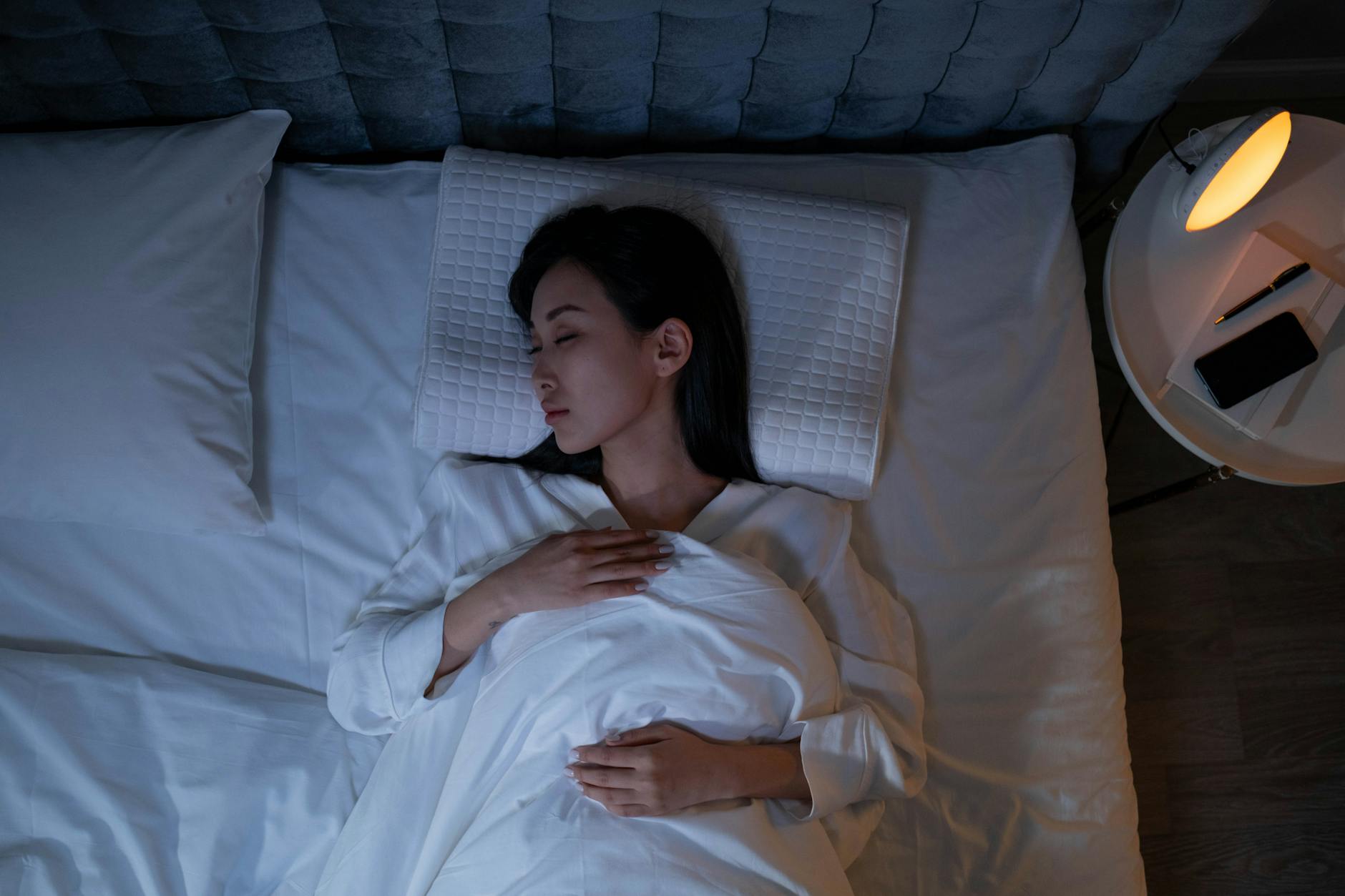
Even experienced travelers often stumble when booking their first rest-focused journey. Here are three major mistakes to watch out for, along with practical steps to keep your trip on track:
- Pitfall 1: Choosing a resort with a lively nightlife schedule. Many wellness hotels host evening social mixers or live music near guest rooms.
- The Fix: Always email the concierge directly to request a room located in the silent wing, away from dining pavilions, pools, and service pathways.
- Pitfall 2: Overpacking the daytime schedule with wellness activities. Filling every hour with consultations, hikes, and breathwork leaves you exhausted before your head even hits the pillow.
- The Fix: Adopt a strict ‘less is more’ philosophy. Limit yourself to one scheduled session per day and protect at least six hours of consecutive unstructured solitude.
- Pitfall 3: Ignoring the pillow and mattress specifications. Assuming a luxury hotel automatically has a comfortable bed is a costly error.
- The Fix: Ask for the specific mattress brand and firmness rating in advance. If you require specialized neck support, do not hesitate to pack your own travel-sized ergonomic pillow.
💡 Pro tip: When booking a sleep-focused retreat online, always check if the property sits beneath a commercial flight path; what looks like a remote countryside idyll on Google Maps can be disrupted by low-flying jets every morning at 06:00.
Financial planning: What a sleepcation actually costs in 2026
Investing in your neurological health requires a realistic understanding of modern pricing. As of 2026, sleep wellness has matured from a fringe luxury into a specialized sector with tiered pricing structures. At the entry level, rustic rural sanctuaries offering self-guided digital detoxes and basic blackout rooms range from €150 to around €300 per night. In the mid-tier range—such as boutique eco-lodges in the Scottish Highlands or organic farm stays in the Spanish Pyrenees—prices run between around €300 and around €600 per night, including basic sleep consultations and specialized meals designed to support melatonin production. At the elite end, medical-grade alpine clinics in Switzerland or specialized sleep institutes in Japan command €600 to around €1,200+ per night, which includes comprehensive multi-night polysomnography testing, bespoke biochemical assessments, and one-on-one sessions with certified somnologists. While these figures represent a significant investment, framing them as preventative health care rather than a standard holiday expense helps justify the cost.
📍 Local insight: In many traditional mountain communities across the European Alps, locals observe strict evening quiet hours known as Nachtruhe from 22:00 to 06:00, where outdoor machinery and loud socializing are legally restricted, providing an extra layer of ambient silence for visitors.
discover our skillcation learn while traveling 2026 guide · discover our jomo travel joy of missing out guide · discover our gig tripping concerts abroad 2026 guide
discover our skillcation learn while traveling 2026 guide · discover our jomo travel joy of missing out guide · discover our gig tripping concerts abroad 2026 guide
A slow travel 48-hour sleep reset itinerary

To help visualize what an actual retreat looks like when stripped of filler, here is a practical, step-by-step 48-hour itinerary designed to reset your sleep architecture without overwhelming your senses:
- Day 1, 14:00 – Arrival and Digital Handover: Check into your off-the-beaten-path forest cabin. Surrender all smartphones and laptops to reception in a sealed security pouch.
- Day 1, 16:00 – Circadian Walk: Take a 45-minute slow walk through the surrounding canopy without headphones, exposing your retinas to natural late-day sunlight to anchor your internal clock.
- Day 1, 19:00 – Magnesium-Rich Dinner: Enjoy a quiet, solitary meal focusing on complex carbohydrates and magnesium-dense greens, avoiding any heavy proteins that delay gastric emptying.
- Day 1, 21:00 – Digital Sunset and Breathwork: Engage in 20 minutes of 4-7-8 breathing in total darkness, aided only by the room’s dynamic amber lighting.
- Day 2, 07:00 – Natural Waking: Wake without an alarm as morning light slowly filters through your dynamic window shades.
- Day 2, 10:00 – Sleep Scientist Consultation: Review your first night’s biometric sleep score with an on-site specialist to identify micro-awakenings.
- Day 2, 14:00 – Afternoon Rest Block: Spend three hours reading a physical book in a hammock, allowing your mind to drift without pressure.
- Day 2, 21:30 – Deep Sleep: Retire early with the confidence that your nervous system is actively clearing metabolic waste through glymphatic drainage.
⚠️ Heads up: Never attempt to catch up on accumulated sleep debt by sleeping 12 hours straight on your first night; erratic sleep schedules confuse your circadian rhythm and worsen insomnia in the long run.
The scientific foundation of deep sleep and restorative retreats
Understanding why these retreats work requires looking at the peer-reviewed science of human biology. According to foundational research highlighted in sleep science literature, deep slow-wave sleep is the critical window during which the brain’s glymphatic system activates, washing away metabolic waste products accumulated during waking hours (Foley et al., Holistic Wellness Experiences: The Design of Transformative Retreats). When environmental stressors like artificial blue light and urban noise fracture this phase, the brain cannot efficiently clear these cellular byproducts, leading to brain fog, chronic inflammation, and accelerated burnout. A dedicated sleep retreat curates a sensory-deprived micro-environment that forces the central nervous system out of sympathetic ‘fight or flight’ mode and into parasympathetic dominance. As noted by sleep researchers examining modern wellness trends, structured isolation from daily stimuli significantly increases total slow-wave sleep duration within just 48 hours of immersion (What are sleep retreats? A sleep scientist explains the latest wellness trend, DOI:10.64628/ab.d56pjv5hw). While you are planning your restorative escape, remember that while visiting the most beautiful places on earth to travel is wonderful, true transformation happens when you close your eyes and let the silence do the work.
Editor’s verdict
If chronic fatigue has become your default state, skipping the crowded sightseeing hotspots and investing in a science-backed sleep retreat is the single best travel decision you can make in 2026. Prioritize properties offering genuine acoustic isolation and biometric tracking over superficial spa gimmicks.
discover our best eu football tips 2026 guide · discover our how to pack carry on 7 days 2026 guide
discover our best eu football tips 2026 guide · discover our how to pack carry on 7 days 2026 guide
📝 Editor’s note
At GlobalSilentWalks, we believe the most luxurious thing you can acquire today is uninterrupted silence. This guide was researched firsthand to help you navigate the burgeoning world of science-backed sleep retreats without falling for marketing gimmicks.
FAQ and planning your silent journey
As you prepare for your journey into restorative stillness, our GlobalSilentWalks planning hub is here to help you navigate quiet trails, off-grid accommodations, and low-stimulus itineraries across the globe. Whether you are a solo traveler seeking a quiet weekend or a couple looking to reset your shared rhythms, embracing the power of deep sleep will change how you experience the world.
- Are sleep retreats suitable for solo travelers? Yes, solo travelers find them exceptionally welcoming because the entire environment is designed around quiet introspection rather than social networking.
- Do I need to bring my own sleep tracker? Most high-end retreats give clinical-grade monitoring equipment during your stay, but bringing your personal wearable allows you to compare baseline data.
- What should I pack for a sleep retreat? Pack loose, breathable organic cotton clothing, a physical book, earplugs for transit, and comfortable walking shoes for gentle nature strolls.
- Can I work remotely from a sleep retreat? Most serious sleep retreats enforce strict no-technology policies in sleeping areas to protect the acoustic and psychological integrity of the space.
Sources consulted: Rick Steves (independent travel advice and itineraries), Japan National Tourism Organization (official Japan tourism board) and UN Tourism (UNWTO) (global tourism trends and standards).
From our shop: Noise-Cancelling Sleep Earplugs – Travel & Wellness 2026, Ergonomic Memory Foam Travel Neck Pillow – 2026 Comfort Wrap and Lightweight Walking Sandals for Travel – Slow Travel 2026.
- How to find sleepcation wellness on a budget?
- To experience sleep wellness without spending thousands at elite medical spas, look for shoulder-season bookings at family-run rural guesthouses in places like the Swiss Jura or rural Portugal. Many independent properties now partner with local certified sleep coaches to offer modest multi-night rest packages starting around €350–€600 as of 2026, bypassing luxury resort markups.
- Why choose sleepcation wellness?
- Chronic sleep deprivation impairs cognitive function, immunity, and emotional regulation. Choosing a dedicated retreat removes environmental disruptors—like blue light, traffic noise, and work ping notifications—allowing your circadian rhythm to reset through structured darkness, tailored acoustics, and expert physiological guidance.
- Is sleepcation wellness worth it?
- If you suffer from treatment-resistant fatigue or persistent bedtime anxiety, structured retreats with biometric tracking and expert consultations offer tangible breakthroughs. Unlike a standard beach holiday that leaves you exhausted from sightseeing, a rest-focused getaway yields measurable improvements in sleep architecture.
- When is the best time for sleepcation wellness?
- The ideal time for a rest-focused journey is during the shoulder seasons of spring and autumn—specifically April to May or September to October—when natural daylight aligns more stably with circadian biology and retreat destinations are blissfully crowd-free.
- Best places for sleepcation wellness?
- Top global destinations include specialized alpine clinics in Switzerland, forest-shrouded sanctuary pods in Japan, and coastal silence retreats in Iceland. These locations leverage natural acoustics, minimal light pollution, and crisp microclimates to optimize restorative human sleep.
Plan Your Trip & Start Walking
Ready to slow down in Sleepcation 2026: Wellness Retreats Focused on Deep Sleep? Bookmark this guide, pick the silent walk that calls to you, and let the city reveal itself one quiet step at a time.