Most Beautiful Hidden Gems 2026: 10 Secret Off-Grid Escapes
Uncover the most beautiful hidden gems 2026. Explore crowd-free, serene destinations for your next peaceful journey away from mass tourism. — Complete guide wit
Most Beautiful Hidden Gems 2026: 10 Secret Off-Grid Escapes
Finding true serenity is an art form today. Hyper-connected tourism crowds European capitals and tropical resorts. Travelers now seek quiet, regenerative journeys. This guide reveals the most beautiful hidden gems 2026 with actionable insights, realistic budgets, exact logistics. Solo wanderer or couple seeking quiet escape — these locations redefine intentional travel.
Why JOMO Travel Reshapes 2026 Itineraries
JOMO travel (Joy Of Missing Out) changes how explorers design yearly itineraries. No more racing through 10 landmarks in a week. Vacationers anchor in one peaceful, overlooked corner. This shift reduces fatigue, lowers carbon footprint, fosters genuine cultural appreciation. UN Tourism: slow, localized travel surged 40%+ among independent adults seeking psychological restoration.
Related read: Vacation Rental Email Marketing 2026.
✅ True discovery is not finding new lands, but seeing with silent, unhurried eyes.
Embrace missing out on crowded hotspots. Open to rhythm of lesser-known villages and untouched wilderness. Stop chasing influencer photos. Listen to alpine pines, share morning tea with local artisan, let nervous system reset. Not a phase — necessary corrective to hyper-tourism burnout.
💡 Pro tip: JOMO travel = leave 1 full day in every 4-day block unstructured. Spontaneous local encounters shape your itinerary.
8 Essential Steps for Off-Grid Discovery
Remote destinations need different logistics than package holidays. Limited tourism infrastructure = careful prep = seamless journey. 8-step framework from field editors:
Related read: Best Weekend Trips from London Under 3 Hours.
- Research conservation rules — Check local environmental regulations before entering protected biospheres or private lands.
- Secure offline navigation — Download topographical maps (Maps.me, Gaia GPS) before losing cell coverage in mountains.
- Book local accommodations — Family-run guesthouses, eco-lodges, farm stays keep tourism spend local.
- Pack modular gear — Versatile weather-resistant layers + portable water filter = minimize single-use plastics.
- Establish cash reserves — Remote villages often lack card readers. Carry local currency in small denominations.
- Learn basic local phrases — 10 polite expressions in regional dialect = respect for rural hosts.
- Plan transit in advance — Regional bus timetables or authorized local drivers. Major rentals may restrict unpaved roads.
- Respect quiet hours — Align with natural rhythm of rural communities. Honor evening noise/privacy customs.
Comparing 4 Off-Grid Travel Types
| Type | Daily Cost (USD) | Access | Crowd Density | Highlight | Best For |
|---|---|---|---|---|---|
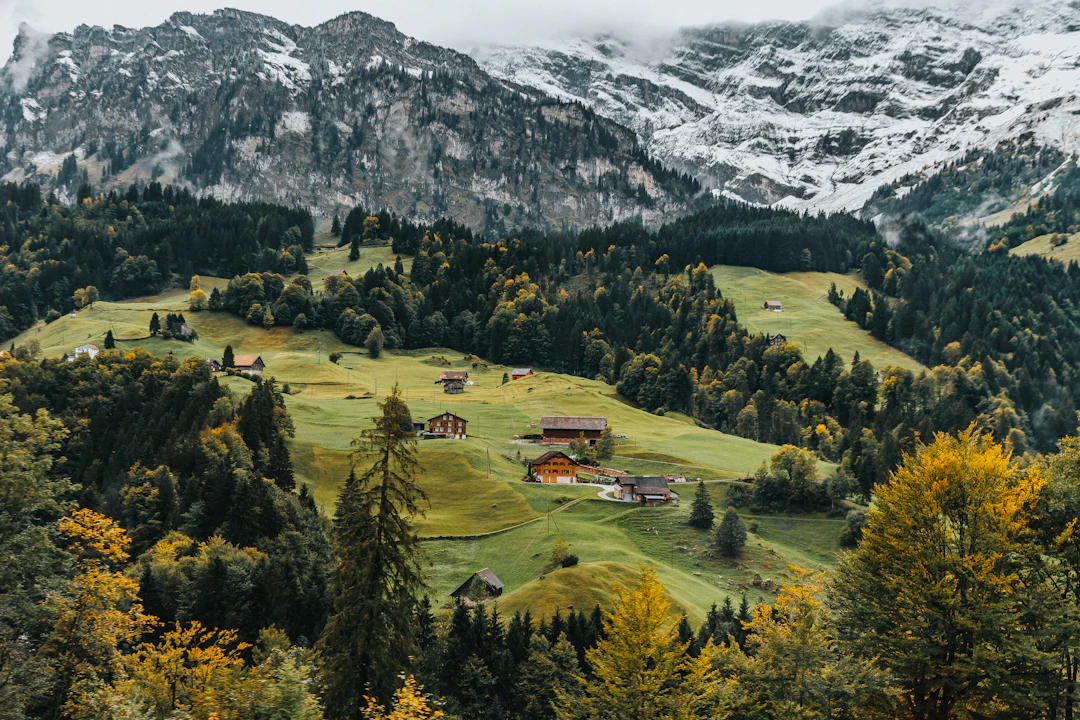
| Alpine Valleys | $65-95 | Moderate (Train+Bus) | Very Low | Glacial lakes, silent trails | Solo hikers, nature photographers |
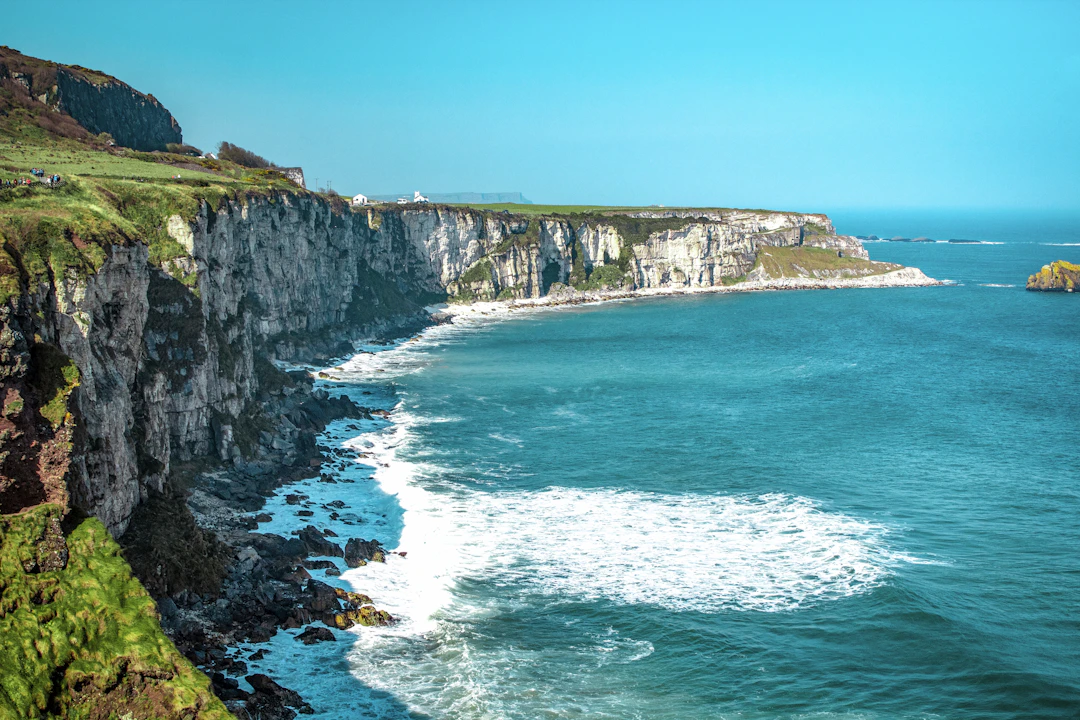
| Coastal Coves | $80-130 | Easy (Flight+Drive) | Low | Hidden tide pools, seafood markets | Couples, quiet sea views |
| Forest Plateaus | $50-80 | Challenging (4x4) | Extremely Low | Ancient woodlands, dark skies | Digital nomads, writers |
| Historic Hamlets | $45-75 | Easy (Direct Bus) | Moderate-Low | Medieval architecture, craft workshops | Cultural explorers, slow travelers |
Behavioral research (Levitt, Freakonomics): human movement follows perceived convenience, not actual value. Nuanced transit plan = bypass 90% conventional tourists = unlock authenticity and peace.
Budget Breakdown: 2026 Off-Grid Trips
Traveling off-beaten-path doesn’t need luxury bank account. But it demands careful financial planning. Unlike all-inclusive resorts, remote travel = fragmented expenses adding up if unmanaged.
| Category | Daily Cost (USD) | Save Strategy | Payment |
|---|---|---|---|
| Accommodation | $40-75 | Book direct with homesteads | Cash or Local Transfer |
| Food | $25-45 | Village morning markets | Small Cash |
| Ground Transit | $10-30 | Regional commuter buses | Exact Change Tickets |
| Cultural Activities | $5-20 | Self-guided walking trails | Cash / Free Entry |
| Emergency Reserve | $15-25 | Dedicated reserve fund | International Debit Card |
Total daily: $95-195 per person (lodging + vehicle rental variable). OECD: rural destinations = higher multiplier for local economic development. Every dollar supports community longevity.
📍 Local insight: Ask guesthouse host for family-run bakery recommendations not on review platforms. Superior quality, fraction of tourist prices.
3 Common Pitfalls & Fixes
Even experienced explorers fall into traps in less-visited territories:
Pitfall 1: Underestimating rural transit schedules — Regional buses ≠ metro frequency. Stranded after missing single daily departure. Fix: Get physical timetable from local ticket office on arrival. Verify holiday changes.
Pitfall 2: Relying solely on digital connectivity — Mountain valleys, dense forests = deep cellular dead zones. Online tools/boarding passes useless. Fix: Print hard copies of reservations, emergency contacts, maps before leaving major transit hubs.
Pitfall 3: Disregarding local dress codes — Remote ≠ casual. Conservative elders in traditional villages offended by casual dress. Fix: Observe local morning market attire. Mirror modesty, especially at historic religious sites.
4-Day Silent Valley Itinerary
Structural blueprint for mindful travelers seeking absolute quiet:
Day 1 — Arrival & Acclimatization: Afternoon regional rail. Check into family timber lodge. Unpack slowly. Gentle 1-hour orientation stroll village perimeter. Observe local architecture.
Day 2 — Deep Immersion: Wake before dawn. Morning mist lifting off river basin. Self-guided 4-hour forest trail walk. Simple picnic from village cheese shop.
Day 3 — Cultural Exchange: Morning visit local textile weaver or woodcarver workshop. Unhurried conversation on traditional craft. Purchase small ethical keepsake directly from artisan.
Day 4 — Reflection & Departure: Morning quiet journaling at scenic viewpoint. Final tea at local marketplace. Mid-afternoon return train. Renewed mental clarity.
✅ Pro tip: JOMO travel = leave 1 day in every 4-day block unstructured. Spontaneous local encounters shape itinerary.
Science of Off-Grid Travel
Understanding natural environments adds dimension. Undisturbed ecosystems = evolutionary marvels over millennia. Peer-reviewed floral adaptation research (New Phytologist Journal): isolated valleys, secluded cliffs = unique botanical species found nowhere else.
Computational bioinformatics (Oxford Academic): natural genetic variations thrive in protected microclimates. Visiting fragile biospheres with respect + minimal footprint = preserves living laboratories for global biodiversity. Quiet travel = active ecological preservation.
⚠️ Heads up: Never pick wildflowers or remove stones from protected reserves. Minor souvenir disrupts endemic micro-ecosystems, violates conservation laws.
Editor’s Verdict
Travelers exhausted by crowded traps and rushed itineraries: remote, unhurried destinations 2026 = ultimate antidote to modern burnout. Prioritize depth over breadth. Respect local communities. Let silence guide your journey.
Related reads:
- Best Weekend Trips from London Under 3 Hours
- Tours Travel Guide
- Nantes Travel Guide
- Edinburgh Fringe 2026
📝 Editor’s Note
GlobalSilentWalks: finest journeys measured in quiet moments, not checklist items. Guide crafted for untouched landscapes sustainably 2026.
FAQs
How to find beautiful hidden gems on a budget in 2026?
Prioritize lesser-known regional parks over famous national preserves. Travel shoulder seasons (April/October). Use local public transport over private rentals. Book family guesthouses direct = save 35% vs major platforms.
Why choose hidden places over tourist hubs?
Lesser-known destinations protect fragile ecosystems from overtourism. Deeply authentic, restorative experience. No massive crowds = meaningful local engagement, true unwind.
Is visiting remote off-path locations worth it?
Yes. Secluded spots = unmatched tranquility + unique cultural immersion commercialized resorts can’t replicate. Extra logistical planning pays off: pristine landscapes, genuine local hospitality.
When is best time for quiet hidden destinations?
Shoulder months: mid-spring, early autumn. Mild weather, less rushed communities, significantly lower visitor numbers = genuinely peaceful exploration.
Best places for untouched natural beauty?
Eastern Europe regional parks, secluded Iberian coastal stretches, Scandinavian high-altitude plateaus. Strict conservation rules, welcome mindful travelers.
Essential tips for first-timers off-grid?
Download offline topo maps. Carry cash for remote vendors (no card readers). Check weather advisories twice daily. Respect conservation guidelines for delicate habitats.
Plan Your Trip & Start Walking
Ready to slow down in Most Beautiful Hidden Gems 2026? Bookmark this guide, pick the silent walk that calls to you, and let the city reveal itself one quiet step at a time.