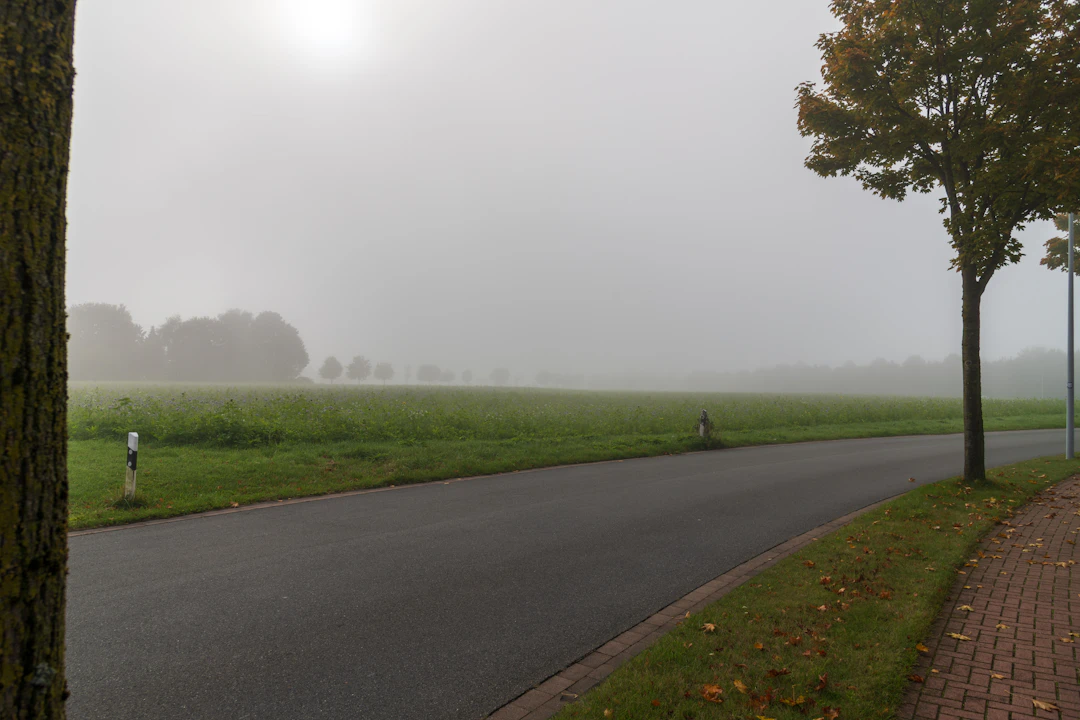
Why You Should Make a Reverse Bucket List in 2026
Discover why you should make a reverse bucket list to find peace, ditch modern travel stress, and celebrate the un-planned moments. — Complete guide with tips,
Why You Should Make a Reverse Bucket List for Mindful Travel
I remember standing in front of a famous monument in a crowded European plaza, checking my watch every two minutes, wondering if I had enough time to rush across town for my afternoon reservation. My feet ached, my phone battery was draining rapidly, and I realized I had not actually looked at the architecture for twenty minutes. That exact moment of exhaustion forced me to ask why I was treating a vacation like a corporate project management sprint. If you have ever felt the quiet dread of returning from a trip more tired than when you left, you already understand the friction of modern tourism. Traditional travel advice tells us to collect more stamps, check off more sights, and push harder. But what if the secret to meaningful travel in 2026 is doing precisely the opposite? This guide explores why you should make a reverse bucket list to restore sanity, protect your peace, and rediscover the joy of simply being somewhere else.
The Psychology of Exhaustion: Why Traditional Checklists Fail Us
Traditional bucket lists operate on an endless loop of scarcity, convincing us that happiness lives just one more monument away. When we treat travel as a checklist, our brains switch from a state of receptive curiosity to a state of task-oriented execution. Psychologists studying cognitive load and decision fatigue note that relentless daily itineraries deplete our mental reserves long before we reach our final destination. We trade deep sensory engagement for digital validation, snapping photos for distant audiences while ignoring the immediate atmosphere around us. This relentless pursuit of travel milestones often leaves us spiritually empty, searching for the next dopamine hit instead of genuine rest. By understanding how constant planning damages our capacity for wonder, we can begin to dismantle the hidden pressures dictating our vacations. The antidote is not giving up travel entirely, but radically changing how we measure a successful journey. When you stop treating your precious time off as an endurance test, you open the door to genuine restoration.
✨ A reverse bucket list does not count the places you conquer. It honors the expectations you release so you can finally arrive.
Embracing Detour-Destinations and the Rise of Quiet Exploration
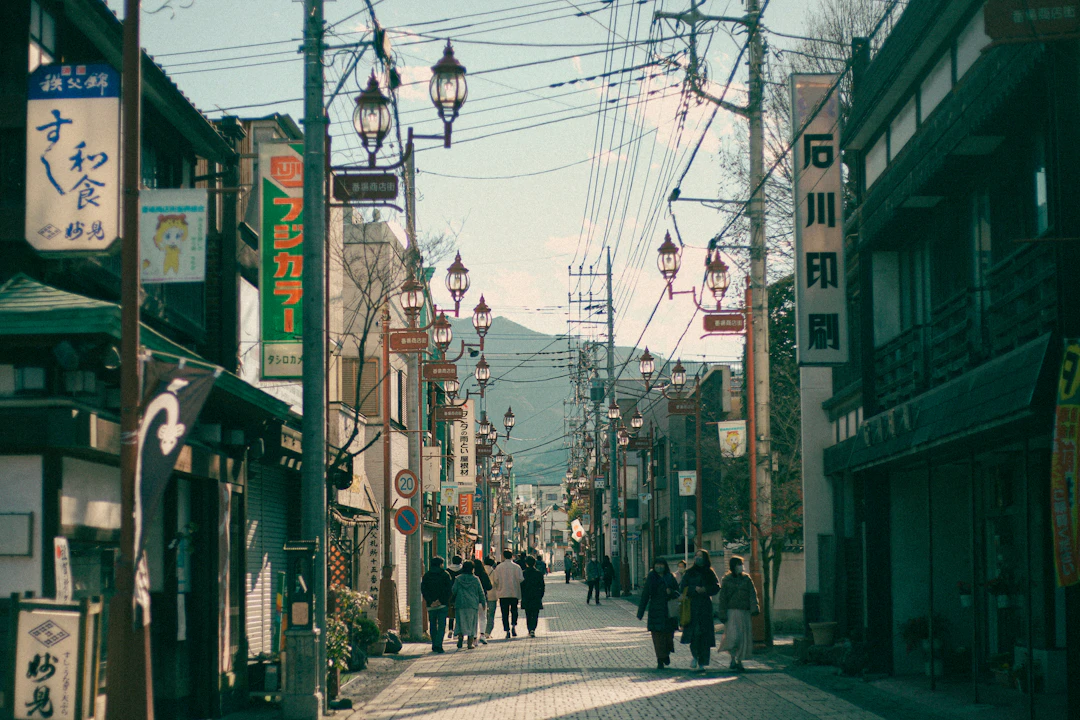
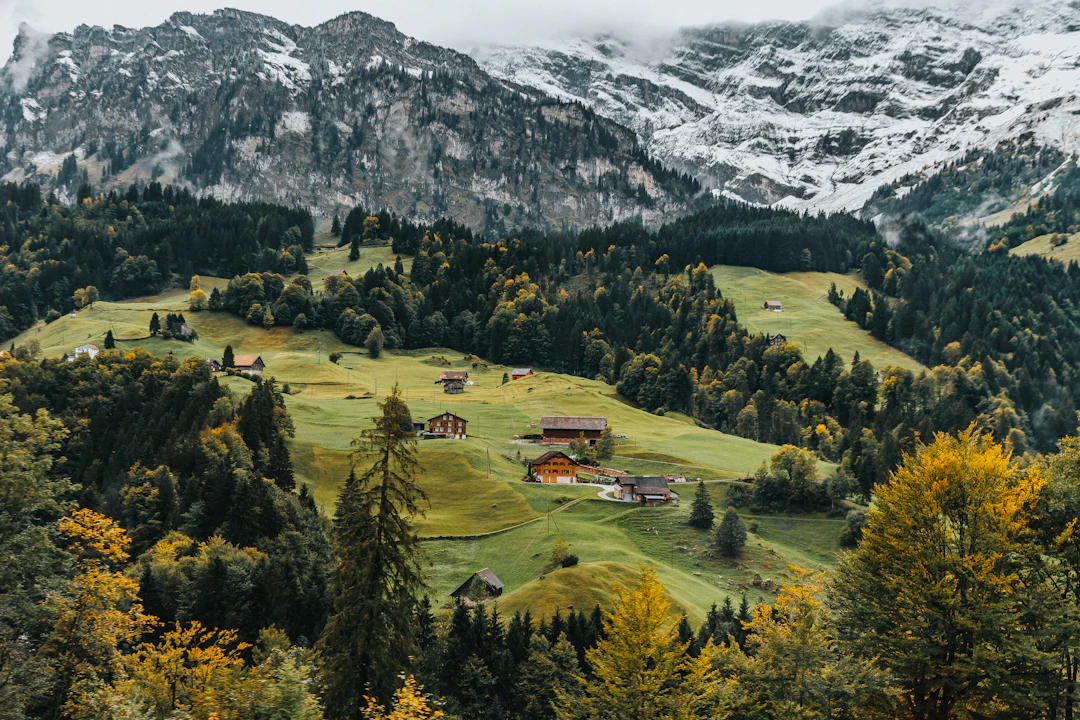
As major global hotspots struggle with overcrowding and restricted access rules, the travel landscape is undergoing a massive structural shift toward detour-destinations. Travelers are increasingly trading Instagram-famous capitals for secondary towns, alpine hamlets, and silent coastal villages where local life unfolds at a humane pace. This shift is not merely about avoiding crowds; it is a profound philosophical rejection of cookie-cutter tourism in favor of authentic, unscripted discovery. When you visit a quiet regional hub instead of a gridlocked metropolis, your entire relationship with time changes. You stop rushing from one tour bus to another and start noticing the subtle rhythms of daily life. According to recent findings published by the World Tourism Organization, rural and secondary destinations have seen a significant rise in inquisitive visitors seeking low-impact, sustainable itineraries. This trend rewards patience over speed, encouraging us to wander down unmarked alleys without a fixed destination in mind. Making a reverse bucket list acts as your personal permission slip to bypass the hype and lean directly into these peaceful, overlooked corners of the earth.
Step-by-Step Guide to Crafting Your Personal Reverse Itinerary
📖 See also: Bangkok Travel Guide
Building a reverse bucket list requires a complete inversion of how you normally plan a trip. Instead of asking what you want to see, you must decide what cultural noise you refuse to consume. Here is how to construct a functional, freeing reverse inventory for your next getaway:
- Review your past three trips and write down the three most stressful activities you forced yourself to endure.
- Draft an explicit ‘Do Not Do’ contract for your upcoming journey, including specific events, peak hours, or crowded venues you vow to skip.
- Identify at least two days on your calendar where you will wake up with zero scheduled activities or reservations.
- Commit to leaving your phone in your accommodation lodging for at least four consecutive hours each day.
- Choose a quiet detour-destination that lacks major theme parks or viral photo spots, such as a rural valley in the Pyrenees or a sleepy coastal village.
- Decide in advance that getting lost in a local residential neighborhood is a successful afternoon, not a waste of time.
- Erase all pressure to document your trip in real time, saving your reflections for a private journal at the end of the day.
- Set a strict daily financial and emotional budget, promising yourself you will walk away from any experience that feels like a tourist trap.
💡 Pro tip: When designing your daily routine, schedule your intentional periods of nothingness during peak tourist hours between 11:00 am and 3:00 pm.
Comparing Traditional Travel Versus the Reverse Approach

To truly grasp the value of this mindset shift, it helps to place traditional tourism side-by-side with mindful, reverse-engineered travel. The differences go far beyond simple pacing; they dictate whether you return home restored or depleted.
| Feature / Metric | Traditional Bucket List Travel | Reverse Bucket List Approach |
|---|---|---|
| Primary Goal | Collecting famous sights and photos | Cultivating peace and presence |
| Itinerary Density | Packed schedules from 7:00 am to 10:00 pm | Open windows with zero fixed plans |
| Crowd Exposure | Maximum time in viral hotspots | High preference for detour-destinations |
| Technology Use | Constant navigation and social updates | Minimal screens, analog maps or wandering |
| Post-Trip State | Exhausted, requiring recovery days | Grounded, inspired, and deeply rested |
This comparison highlights why so many modern nomads and burned-out professionals are adopting minimalist travel frameworks. When you eliminate the frantic need to see everything, you finally have the bandwidth to experience something real.
Common Pitfalls and How to Avoid Them
Even with the best intentions, falling back into old travel habits is remarkably easy. Awareness of common traps helps you stay grounded in your new philosophy.
- The FOMO Trap: You might feel anxious when you see friends visiting famous landmarks online. The fix: Remind yourself that missing out on someone else’s highlight reel is the entire point of your journey.
- Over-Scheduling the ‘Unplanned’ Time: Filling your empty afternoons with cafes and museums defeats the purpose. The fix: Treat your hours of unstructured wandering with the same respect you would give a flight departure time.
- Geographic Guilt: Feeling bad for skipping a nationally recognized museum in a major city. The fix: Acknowledge that local grocery stores and quiet residential parks often reveal far more about a culture than sterile exhibition halls.
⚠️ Heads up: Never assume that a small town requires less preparation; always check local transport schedules, as regional buses in rural areas often stop running by early evening.
Budgeting for Silence: Financial Realities of Slow Travel
📖 See also: Collioure Travel Guide
Slow travel and reverse bucket lists are often romanticized as luxury pursuits, but they are actually remarkably cost-effective when managed properly. Spending three weeks in a quiet village outside of Florence or Lyon is frequently cheaper than a whirlwind five-city tour involving high-speed trains, daily museum tickets, and rushed hotel changes. For instance, renting a modest countryside apartment in rural central Portugal might cost roughly €450–€700 per month as of 2026, compared to nightly hotel rates exceeding around €150 in major European capitals. Eating at local neighborhood bakeries and markets rather than tourist-heavy restaurants keeps daily food expenses around €20–€35 as of 2026. When you eliminate paid excursions, expensive guided tours, and impulse souvenir shopping, your overall trip cost plummets. You are paying less money for a vastly superior, deeply peaceful experience that respects both your wallet and your mental health.
A Real Traveler Scenario: A Week Without Sights
Consider how this plays out in practice during a hypothetical seven-day escape to a quiet mountain region in Slovenia. Instead of booking a frantic itinerary across Lake Bled and three different alpine passes, traveler Elena decided to base herself in a single residential chalet in a quiet valley near Kranjska Gora. Her reverse bucket list was simple: no cable car rides, no crowded viewpoints, and no scheduled morning wake-up calls. On Tuesday morning, rather than joining the tour buses at the lake, she walked twenty minutes to a local bakery, purchased fresh bread for €3–€5 as of 2026, and spent three hours reading beside a clear mountain stream. By Thursday, she had learned the names of the local shopkeepers and discovered an unmarked forest trail that appeared on no official tourist map. She spent less than €400 total for her entire week of lodging and provisions, returning home with a calm nervous system and actual memories of stillness rather than a blur of ticket stubs and gift shops.
Authoritative Insights on Decision-Making and Complex Systems

Navigating modern travel choices requires understanding how cognitive frameworks influence our behavior under stress. In academic research on decision-making architectures, models like those discussed in foundational framework studies on bucket elimination algorithms demonstrate how systematically removing variables simplifies complex problems. While originally applied to automated reasoning and stochastic work scheduling (such as discrete workstation management analyzed in industrial engineering literature by POMS), the core principle holds true for personal life design: pruning unnecessary options dramatically improves the quality of the remaining choices. When we apply this rigorous pruning to our travel calendars, we stop drowning in infinite possibilities. Sociologist and cultural analysts note that modern consumers suffer not from a lack of options, but from an overwhelming surplus of them. By intentionally culling our travel ambitions through a structured reverse inventory, we reclaim our cognitive bandwidth and make room for serendipity.
📍 Local insight: In many quiet European villages, local bakeries and markets close by 1:00 pm for a midday break, so plan your morning strolls accordingly to avoid missing fresh provisions.
- Spend your mornings walking residential backstreets where local residents hang their laundry and tend to small gardens.
- Trade high-speed rail passes for regional slow trains that stop at every rural station.
- Sit in a quiet public square for an entire afternoon without opening a guidebook or taking a photograph.
Editor’s Verdict
Making a reverse bucket list is the most liberating travel habit you can adopt in 2026. It cuts through the marketing noise of modern tourism and returns ownership of your time directly to you.
discover our paris off season travel 2026 guide · discover our football news today 2026 09 13 guide
discover our paris off season travel 2026 guide · discover our football news today 2026 09 13 guide
📝 Editor’s note
At GlobalSilentWalks, we believe the best journeys happen when you stop chasing checklists. This guide explores a counter-intuitive approach to travel that prioritizes presence over productivity.
Planning Your Next Steps Toward Mindful Journeys
Transitioning away from conventional travel checklists does not happen overnight, but taking the first small step transforms how you experience the world. Begin by reviewing your upcoming calendar and crossing out at least one activity that you only booked out of a sense of obligation. Pair this with a visit to our planning hub at GlobalSilentWalks for more resources on quiet, crowd-free destinations, slow travel itineraries, and mindful exploration guides designed to help you travel lighter and deeper.
Sources consulted: UNESCO World Heritage (heritage sites and conservation context), UN Tourism (UNWTO) (global tourism trends and standards) and Japan National Tourism Organization (official Japan tourism board).
From our shop: Lightweight Walking Sandals for Travel – Slow Travel 2026.
- What exactly is a reverse bucket list?
- A reverse bucket list is an inventory of un-achievements, canceled expectations, and intentional omissions. Instead of adding new places to conquer, you list the frantic itinerary items you deliberately skipped, the pressure you released, and the quiet moments you chose over tourist crowds.
- Why should I make a reverse bucket list instead of a traditional one?
- Traditional bucket lists often fuel a cycle of perpetual destination fatigue and anxiety. Making a reverse bucket list helps you reclaim your time, lower your travel stress, and embrace slow travel without feeling guilty for missing out on viral landmarks.
- How does this approach fit into 2026 travel trends?
- As over-tourism peaks in major capitals, travelers are shifting toward detour-destinations, silent retreats, and jomo (joy of missing out). A reverse bucket list gives the exact psychological framework needed to practice mindful, crowd-free exploration.
- Can I combine a traditional itinerary with a reverse bucket list?
- Yes. Many mindful travelers use a hybrid approach. You keep a short, realistic list of essentials, but you pair it with a robust reverse list of things you explicitly promise *not* to do, such as waiting in line for hours or waking up at dawn for photos.
- What are some practical examples of items on a reverse bucket list?
- Examples include refusing to download ride-hailing apps in walkable towns, skipping the most famous museum queue in favor of a quiet neighborhood park, and canceling all afternoon plans to sit in a local tea house.
Plan Your Trip & Start Walking
Ready to slow down in Why You Should Make a Reverse Bucket List in 2026? Bookmark this guide, pick the silent walk that calls to you, and let the city reveal itself one quiet step at a time.