Paris Quiet Paris Walks 2026: The Ultimate Guide to Mindful Exploration
Discover the ultimate guide to Paris Quiet Paris Walks 2026. Explore serene paths, hidden courtyards, and peaceful neighborhoods away from the tourist crowds.
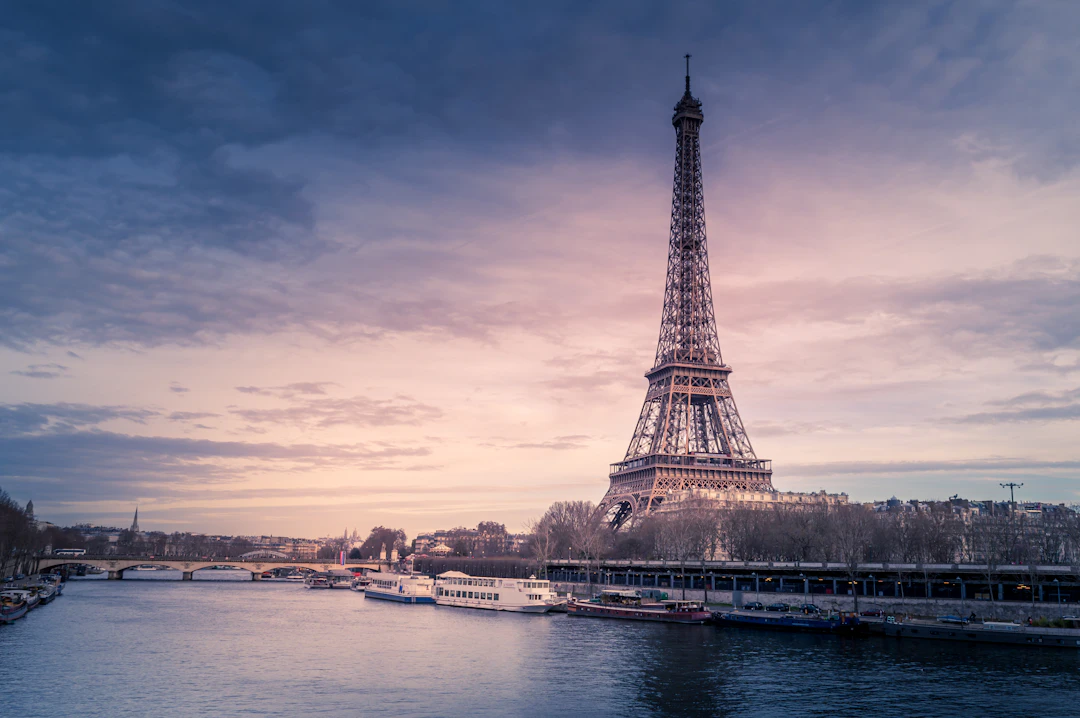
As the capital and largest city of France, home to an estimated 2.04 million residents across its central districts and a sprawling metropolitan population of 13.3 million, Paris is universally celebrated as the dynamic “City of Light.” Straddling the illustrious river Seine in the heart of the Île-de-France region, it commands attention as the fourth-most populous city in the European Union. Yet, beneath the pulsing rhythm of modernity, grand boulevards, and bustling café terraces lies another, more ethereal side of the metropolis. For the discerning traveler seeking solace, the true magic of the French capital is unlocked not through rushed sightseeing, but through intentional, tranquil ambulation. Welcome to your definitive companion for Paris Quiet Paris Walks 2026.
Whether you are wandering along the historic left bank—the rive—or heading toward the northern expanses of the nne, stepping off the beaten path reveals a contemplative refuge. As noted by literary visionaries and travel chroniclers alike, who famously remarked that Paris is always a good idea, the secret to experiencing the city deeply lies in knowing how to embrace its moments of stillness. Drawing inspiration from classic literary works like Quiet Corners of Paris by Jean-Christophe Napias and Quiet Paris by Siobhan Wall, as well as historical epics like At Agincourt by G. A. Henty, this guide invites you to trade the frantic pace of mass tourism for meditative footsteps. Prepare to discover hidden courtyards, mist-kissed quays, and residential enclaves where the loudest sound is the crunch of gravel underfoot.
Why This Matters
In an era dominated by hyper-connectivity, algorithm-driven feeds, and the constant digital noise of modern life—mirroring platforms like the newly launched YouTube recommendation-free viewing tools or AI coding environments—the act of walking in silence has become a radical act of self-care. Mental health professionals and cultural critics alike emphasize the necessity of unplugging. When you engage in Paris Quiet Paris Walks 2026, you are not merely ticking off landmarks; you are participating in a therapeutic reclamation of space and time. By choosing to wander without an itinerary, you tune into the sensory fabric of the city: the gentle lapping of water against the stone walls of the Seine, the rustle of plane trees, and the distant chiming of historic church bells. This mindful approach transforms a simple city break into a restorative retreat for the soul.
Main Practical Breakdown
-
Timing Your Strolls (When is Paris Quietest) To truly experience the serenity of the city, timing is everything. The least busy time to visit Paris and enjoy uninterrupted walks is during the early morning hours just before sunrise, or during the late autumn months. Travelers often wonder why Paris is quiet in August; during this month, a large portion of local residents take their annual leave, temporarily emptying corporate districts and leaving charming residential quarters delightfully subdued.
-
Navigating the Quays and Canals Move away from the crowded tourist hubs and head toward Canal Saint-Martin or the quieter stretches of the river banks. Walking these watery corridors offers a masterclass in urban tranquility. The absence of heavy vehicular traffic along designated pedestrian zones creates acoustic islands where you can reflect in peace.
-
Dressing for the Elements and Local Etiquette Blending in with locals requires adhering to subtle French dress codes. Avoid looking like a stereotypically rushed American tourist by embracing classic, understated elegance—think tailored silhouettes, neutral tones, and comfortable yet chic walking footwear. This approach ensures you navigate residential neighborhoods seamlessly without drawing unwanted attention.
-
Hydration and Water Quality Realities As you embark on long walks, staying hydrated is crucial. Visitors often ask about the local water supply: is the water in Paris hard or soft? The tap water in Paris is generally hard, mineral-rich, and entirely safe to drink. Carry a reusable glass bottle and refill it at historic public fountains scattered across the parks.
-
Respecting Paris Quiet Hours When staying in residential quarters, be mindful of local noise ordinances and Paris quiet hours. Apartment buildings take nighttime acoustics seriously, so keeping your voice lowered in stairwells and courtyards ensures a harmonious coexistence with local Parisians.
-
Exploring Architectural Quiet Luxury Discovering the city’s subdued side extends to shopping and aesthetics. Paris quiet luxury brands offer timeless craftsmanship away from the flashing neon signs of mega-flagship stores, favoring discreet ateliers tucked away in hidden passages.
-
Disconnecting from Digital Distractions Treat your walk as an analog experience. Leave map-checking to a minimum, silence notifications, and let curiosity guide your turns through cobblestone alleyways, echoing the contemplative spirit found in community discussions on mindful solitude.
-
Utilizing Public Transit Mindfully When your feet need a break, hop on the metro during off-peak hours. Sit quietly, observe fellow passengers, and absorb the understated elegance of Parisian daily transit life.
“To walk through Paris without haste is to read a living book written in stone, water, and light.” — GlobalSilentWalks Editorial Board
Common Mistakes
Navigating the city’s quieter sides requires avoiding a few common pitfalls. First, many travelers make the mistake of attempting to walk major arteries like the Champs-Élysées during peak afternoon hours expecting tranquility; instead, opt for hidden passages like Passage des Panoramas in the early morning. Second, ignoring local dress codes can make you stand out, disrupting the seamless, quiet immersion you seek. Third, failing to account for local holiday closures or the mid-August exodus can leave you searching for open cafes when you simply need a quiet place to rest. Finally, relying solely on digital navigation often shatters the meditative state; print out a rough map or embrace getting delightfully lost.
Budget / Cost
Exploring the serene side of Paris is remarkably cost-effective, as the best things in the city—walking, observing architecture, and breathing in the atmosphere of public parks—are entirely free. However, balancing budget considerations with moments of mindful indulgence requires thoughtful planning. Below is a comparative financial breakdown of different walking styles in the capital.
| Expense Category | Budget Seeker | Mid-Range Explorer | Quiet Luxury Traveler |
|---|---|---|---|
| Accommodation | Hostels / House-sitting | Boutique Hotel in Marais | 5-Star Palace Hotel near Monceau |
| Dining | Bakery picnics & tap water | Neighborhood bistros | Michelin-starred tasting menus |
| Transportation | 100% Walking / Navigo pass | Occasional Metro rides | Private chauffeured transfers |
| Activities | Public parks & free walks | Guided architectural tours | Private historical curators |
“Silence is not the absence of sound, but the presence of peace within an urban landscape.” — Siobhan Wall, Quiet Paris
Step-by-Step Mini-Itinerary
Follow this carefully curated half-day walking itinerary designed to maximize tranquility and minimize crowds.
-
07:30 AM – Dawn at Square du Vert-Galant Begin your morning at the western tip of the Île de la Cité. As the sun rises over the Seine, this lush, willow-fringed green space offers absolute stillness before the city awakens.
-
08:30 AM – Passage Explorations Wander north across the river into the 2nd arrondissement. Explore the covered glass-roofed arcades such as Passage Vivienne. The acoustic resonance here in the early morning is remarkably soft and muffled.
-
10:00 AM – Hidden Gardens of the Marais Make your way toward the Marais and seek out the secluded courtyard gardens, such as the Jardin Anne-Frank. Enjoy a moment of silent reflection amidst manicured boxwoods.
-
11:30 AM – Canal Saint-Martin Stroll Conclude your walk along the tree-lined banks of Canal Saint-Martin, watching the iron footbridges and locks operate at a leisurely, unhurried pace.
| Time Slot | Location / Landmark | Recommended Activity |
|---|---|---|
| 07:30 - 08:30 | Square du Vert-Galant | Sunrise meditation by the river |
| 08:30 - 10:00 | Passage Vivienne | Architectural photography & quiet stroll |
| 10:00 - 11:30 | Jardin Anne-Frank | Reading on a secluded bench |
| 11:30 - 13:00 | Canal Saint-Martin | Mindful walking along the locks |
FAQ
-
Why is Paris quiet in august? August is traditionally the month when local Parisians take their annual summer leave and depart the city for coastal or rural retreats. Many local businesses, bakeries, and corporate offices close for a few weeks, resulting in a dramatic drop in traffic and pedestrian congestion.
-
When is Paris quietest? Paris is quietest during the early morning hours between 5:30 AM and 8:00 AM, as well as during late November and January when international tourism slows down significantly.
-
Is the water in Paris hard or soft? The tap water in Paris is classified as moderately hard, meaning it contains high levels of beneficial minerals like calcium and magnesium. It is rigorously tested, completely safe to drink, and readily available.
-
Where to stay in Paris quiet? For a peaceful night’s sleep, consider residential neighborhoods away from major nightlife hubs, such as the 7th arrondissement near the Invalides, parts of the 16th arrondissement near Passy, or leafy pockets of the 14th arrondissement.
-
Who said Paris is always a good idea? This famous sentiment is attributed to Audrey Hepburn’s character in the 1954 classic romantic comedy film Sabrina.
“In the quiet pockets of Paris, time does not slip away; it gathers in the shadows of ancient stones.” — Jean-Christophe Napias
Conclusion with CTA
Paris remains an eternal muse, but its true poetry is whispered only to those willing to slow down, listen, and walk with intention. By venturing into its hidden courtyards, embracing its quiet hours, and stepping away from the digital noise, you uncover an intimate side of the French capital that few tourists ever witness.
Ready to embark on your own mindful journey? Subscribe to the GlobalSilentWalks Newsletter for exclusive monthly walking maps, curated silent itineraries, and expert travel insights designed for the thoughtful explorer.
discover our bassin villette rain guide · discover our champs elysees guide · discover our ile saint louis guide