Silent Walking Gear Guide: What to Pack (and What to Leave)
Silent walking gear guide: footwear, layers, bag, water, cold and rain kit, and the five items to leave at home. A packing checklist for a quiet walk.
Key takeaways
- Silent walking needs almost no equipment: shoes you trust and layers for the weather.
- The important decisions are what you leave behind, not what you add.
- Cold, rain and winter each need one specific item, not a new wardrobe.
- A 15-litre bag is enough for a half-day walk.
Silent Walking Gear Guide
Silent walking needs almost no equipment: shoes you already trust and clothing for the weather. Everything else is optional. The decisions that matter are what you leave behind, because every item you add is another thing asking for attention.
The guide below is organised by what actually changes a walk: what is on your feet, what is against your skin, what is on your back, and what is in your pocket.
The four essentials
| Item | Why it matters | What to avoid |
|---|---|---|
| Walking shoes | You will be on your feet for 20 minutes to three hours. Blisters end a walk faster than rain. | New boots, or shoes you have not worn for a full day. |
| Layers | Body temperature rises in the first 15 minutes, then falls when you stop. | A single heavy jacket that makes you sweat, then chill. |
| Water | A small bottle removes the need to stop at a shop, which removes a reason to break the walk. | Large bottles you will not carry. |
| Small bag | Carries water, a layer, keys and a notebook without pulling on one shoulder. | A tote or a single-strap bag on a long walk. |
Footwear: the only item that can ruin the walk
Choose shoes by the surface, not by the activity.
- City, park, canal, cemetery paths: any walking shoe or trainer you already wear for a full day. Cushioning matters more than grip.
- Wet grass, forest tracks, coastal paths: a lugged sole. Smooth trainers on wet leaves are the most common cause of a fall on a quiet walk.
- Long distances on hard ground: a slightly stiffer sole reduces fatigue in the arch after the second hour.
Break shoes in before the walk, not during it. A silent walk removes conversation and music, so there is nothing left to distract you from a hot spot on your heel.
Socks matter as much as shoes. A thin synthetic or merino sock that wicks moisture prevents most blisters. Cotton holds water against the skin.
Clothing: layers, not a uniform
Three layers cover most conditions between 0 °C and 20 °C:
- Base layer against the skin: synthetic or merino. Cotton stays wet.
- Mid layer for warmth: fleece or light down, easy to remove while walking.
- Shell for wind and rain: a hooded, packable jacket.
The rule that works: start slightly cold. You will be warm within fifteen minutes, and the layer you did not put on is easier to add than the layer you have to carry.
For hot weather, the same logic inverted: loose, light-coloured, long sleeves for sun, and a hat. Silence in full sun on an exposed path is uncomfortable rather than restful.
The bag
A 12 to 18 litre backpack is enough for a half-day walk. What matters is that it does not move: a bag that bounces adds a rhythm you did not choose and a strap you keep adjusting.
Packing order, from the bottom:
- Water and a snack.
- The layer you removed, rolled.
- A small pouch: keys, card, a compact rain shell.
- A notebook and pen at the top, if you use one.
Compression cubes are optional on a day walk, but useful if the same bag doubles as travel luggage: they stop small items from shifting and rattling, which is exactly the kind of noise a silent walk is trying to remove.
Cold, rain and winter
Each condition needs one specific item, not a new set of gear.
| Condition | The one item that changes the walk |
|---|---|
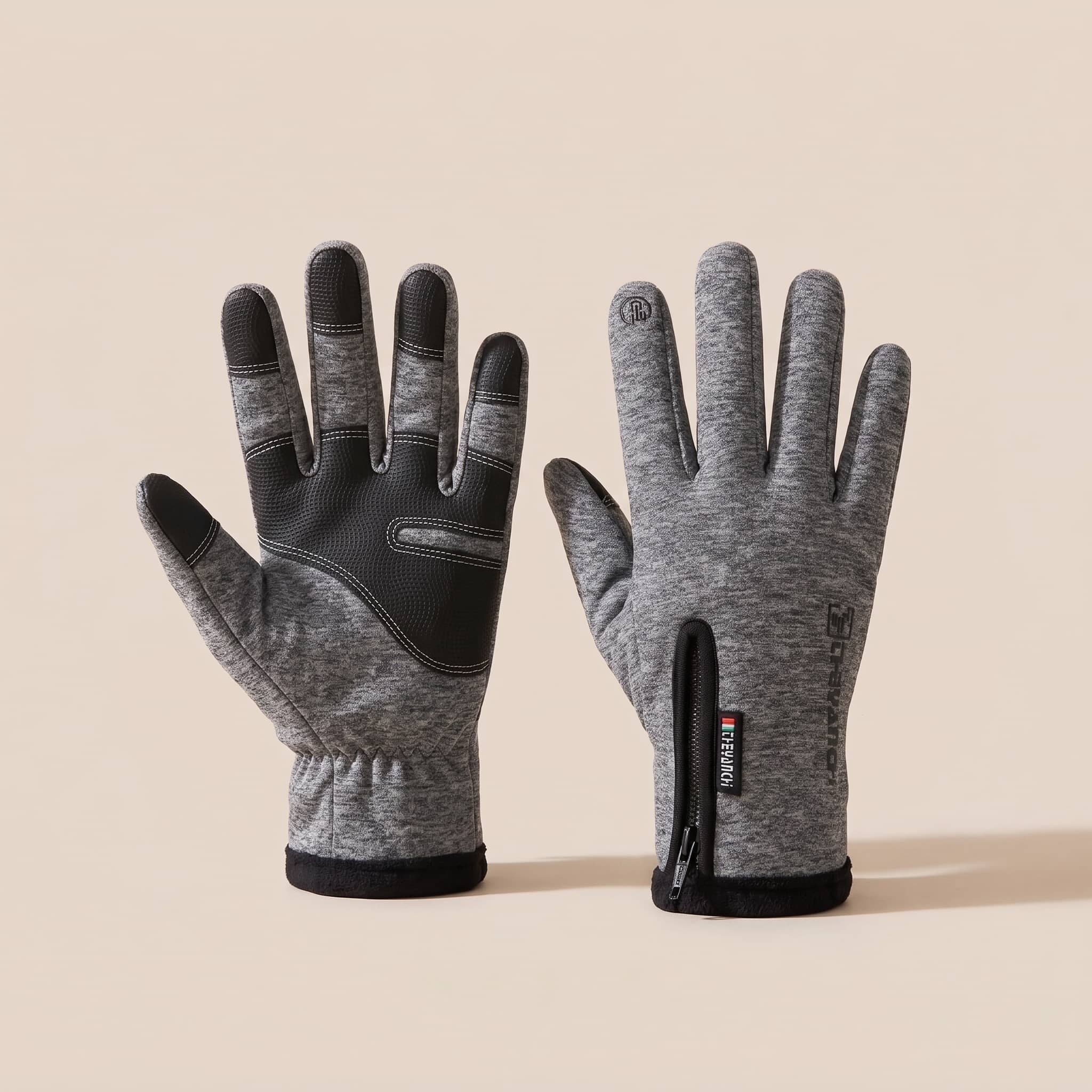
| Below 5 °C | Gloves. Cold hands shorten a walk faster than cold legs. |
| Rain | A hooded shell with a brim, or an umbrella. Rain is one of the best conditions for silence: fewer people, more acoustic detail. |
| Wind | A shell that blocks wind, and a hat that stays on. |
| Snow | A sole with grip, and sunglasses: snow reflects light even under cloud. |
| Dark mornings | A small torch or a phone light used only for the path, never for the screen. |
What to leave behind
Five items undo the practice faster than any missing gear:
- Headphones. Noise-cancelling headphones are excellent on a train and counterproductive here: they remove the material the walk is made of.
- Podcasts and audiobooks. A quiet walk with a voice in your ear is a commute.
- A fitness tracker you check. Measuring a walk turns it into a performance to be evaluated.
- A camera you hold. A few photos, deliberately, then put it away. Continuous shooting replaces one input with another.
- Notifications. Airplane mode, or the phone stays home. If you need a map, download it offline before leaving and keep the screen off.
Safety without a phone
Walking without a screen does not mean walking without preparation:
- Tell someone your route and expected return time.
- Stay on marked paths in unfamiliar areas, and turn back before dark.
- Carry identification and a card, even if you leave the phone.
- In heat, carry water and start early; in cold, carry a shell and start warm.
- If you walk alone in a remote area, choose routes with other people on them.
Packing checklist
For a 60-minute walk, in mild weather:
- Shoes already broken in
- One removable layer
- Water, 500 ml
- Keys, card, identification
- Phone in airplane mode, or left at home
- Small notebook and pen (optional)
For a half-day walk, add:
- Rain shell
- Snack
- Hat and gloves, from October to April
- A second layer in the bag
- A printed or offline map if the route is unfamiliar
Shop: items that match the practice
From our shop, chosen because they solve a real problem on a quiet walk:
- Anti-Theft Travel Backpack with USB Port — splash-resistant, anti-theft pockets, carries water and a jacket without bouncing.
- Rechargeable Hand Warmer & Power Bank — useful on cool mornings when you want to stay out longer.
- Memory Foam Travel Pillow + Eye Mask + Earplugs Set — the earplugs are useful if your quiet street is not quite quiet enough.
- Compression Packing Cubes Set of 8 — organises your walking kit so nothing rattles in the bag.
- World Map Wall Poster, 82.5 × 59.5 cm — mark the places where you have walked in silence.
What not to buy
You do not need special “silent walking” shoes, a fitness tracker, a guided app or a subscription. The practice is about removing layers, not adding gear. If you already own comfortable shoes and a rain jacket, you are equipped.
Frequently asked questions
Do I need walking poles? Only if you need them for balance on uneven ground. Otherwise they are extra equipment that occupies your hands.
Can I carry a notebook? Yes. A small notebook and pen let you note a place you want to return to without breaking the silence to check a phone.
What about safety without a phone? Walk in well-lit, populated areas during daylight, tell someone your route and expected return time, and carry identification.
Do I need different gear for a city walk? No. The same shoes and layers work. The only change is that you can carry less water, because shops are open.
Is a smartwatch a problem? Only if you check it. A watch that tells the time without buzzing is fine.
Related pages
- Silent walking FAQ: 22 questions answered
- What is a silent walk? Definition, benefits and how to start
- 20 quiet places in Europe for a silent walk
This page is part of the GlobalSilentWalks pillar series. Last verified 10 November 2026.