Best Mountain Villages in Switzerland: 10 Serene Alpine Retreats for 2026
Discover the best mountain villages in Switzerland for 2026. Explore crowd-free alpine escapes, quiet trails, scenic rail journeys, and hidden gems.
The Swiss mountain villages aren’t hard to reach. If you can’t find them on a map, a train will get you there. The hard part is choosing, because there are thousands and they all look the same in a brochure. What separates a good one is the valley, not the village.
Mürren, Bernese Oberland
Above Lauterbrunnen, 800 metres up, car-free, reached by a cable car from a village at the bottom of a valley with 72 waterfalls in it. Mürren is the classic, and it earns it, though you won’t have it to yourself: the Alpiglen hotel with the Eiger opposite, the car-free centre, and a walk to the Schilthorn if you want the James Bond cable car.
It is also the most crowded of the four. Go in June or October.
Guarda, Graubünden
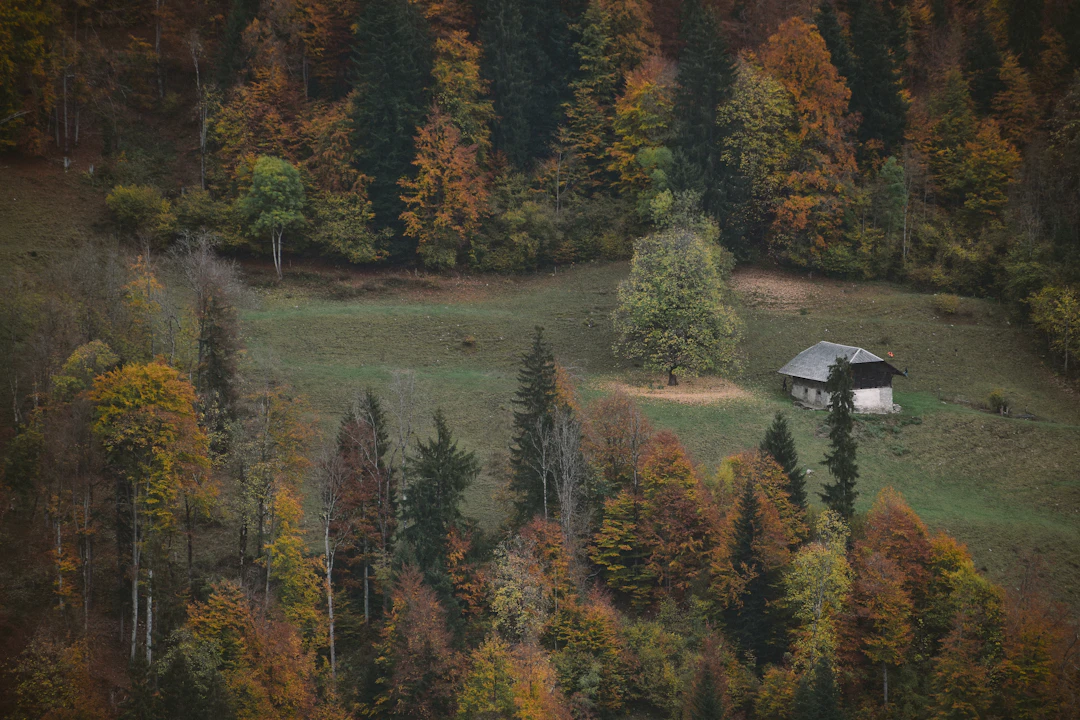
Sgraffito houses stacked up a hillside, painted with the 16th-century ornament that makes the Engadin unique in Switzerland. Guarda has about 150 people, no cars in the village centre, and a church that is worth walking up to on its own.
The Engadin is also the quietest part of the country and the best in September, when the larches turn.
Saas-Fee, Valais
Glacier country, at 1800 metres under the Weisshorn, and car-free by law: you get an electric taxi that will take you as far as the village permits. The Pfaffen glacier trail is a flat walk across the glacier itself, which is not a thing you can do anywhere else in the Alps.
💡 Pro tip: Sleep at altitude first. Two nights below 1500 metres before going higher is the difference between a good day and a headache and a night in the hotel bathroom.
Lauterbrunnen and the Bernese villages
Not one village but a valley of them: Lauterbrunnen with its waterfalls, Wengen and Mürren on the shelf above it, Grindelwald at the far end. The train runs the length of it and you can walk between any two points without a bus.
This is the most walkable part of Switzerland and the reason most people choose it.
discover our best northern lights destinations guide · discover our best spring flower festivals in the world guide · discover our best travel blogs 2026 guide
Where to stay
You’ll be booking family-run inns rather than hotels, and you need to book them six months ahead for the good ones. Prices: €150 to €300 a night with half board in high season, more in Mürren, less in the Engadin off-season.
Getting around
The train. This is not a figure of speech. Almost every village on this list has a station, the trains are frequent, and the SBB app handles the buses and the cable cars on top. The Swiss Travel Pass is worth it if you are moving between more than two valleys; a regional card is cheaper if you are not.
Altitude: above 2000 metres, take it slowly the first day.
Cash: CHF 50 to 100 for mountain huts with no card reader.
Weather: it can be sun and sleet in an hour. Layers, always.
Language: German, French, Italian and Romansh depending on the valley, and a merci or grazie lands correctly anywhere.
When to come
| Month | Conditions | Crowds | Verdict |
|---|---|---|---|
| January–March | Ski season, cold | High in ski towns | Only if you ski |
| June | Trails open, snow on the peaks | Moderate | Excellent |
| July–August | Warm, everything open | High | Busy |
| September | Autumn, larches, lifts closing | Low | Best |
| October–November | Quiet, some lifts shut | Low | Very quiet |
| December | Christmas, ski towns busy | Mixed | Fine in the villages |
June and September are the answer: trails open, lifts running, and nobody from Zurich. You won’t see a queue at the cable car.
Budget
- Room with half board: €150 to €300.
- Food: €40 to €70 a day.
- Travel: the Swiss Travel Pass is around CHF 300 a week, and the Saver Day Pass is much less if you book it early.
- Free: every hike, every viewpoint, and the walk from the station to wherever you are going.
Frequently Asked Questions
Which village is the most beautiful? Guarda, because the sgraffito village is genuinely rare, and it’s the least visited.
Is it expensive? Yes, Switzerland is expensive. The mountain walking is free, and that’s what you’re actually paying for.
Do I need a car? No. Cars are forbidden in most of these villages, and you won’t miss one.
Family-friendly? Yes, in summer. Many of the cable cars and mountain railways count as part of the Swiss Museum of Transport for children.
What about altitude? Take two nights low, and drink water.
Plan Your Trip & Start Walking
Pick one valley, not four. Book the guesthouse six months out, because you can’t walk in, take the train, and walk from wherever the stop is. The villages are all at the end of a line.