12 Most Otherworldly Landscapes on Earth to Visit in 2026
Explore the most otherworldly landscapes on Earth in 2026. Uncover crowd-free, serene, and surreal travel places off the beaten path. — Complete guide wit
The Most Otherworldly Landscapes on Earth You Need to See in 2026
When we search for the most otherworldly landscapes on earth, we are rarely looking for mere sightseeing. We want a deep break from daily reality. Think ground that feels alien, light that tricks the eye, and silence that reaches past the horizon. In 2026, mindful travelers want places that look and feel like another planet. That is the top form of travel inspiration. These rare rock shapes, volcanic craters, and salt basins escape the packed tourist hubs. Go solo or with a partner. Stepping into these surreal places gives a true mental reset. This guide ranks the most striking, crowd-free places on Earth that defy maps. It adds practical logistics, budget tips, and expert insight to plan your trip.
Why Detour-Destinations Is Reshaping How Readers Visit These Places in 2026
The 2026 travel scene has a big shift toward detour spots. People skip packed famous monuments and choose quiet, fragile, and stunning alternatives. Major hubs now cap daily visits and charge entry fees. Smart explorers turn to lesser wild areas with equal wonder and no gridlock. This is not just crowd dodging. It is a new look at how we treat fragile wilds. Picking lesser-known rock marvels cuts the footprint and feeds rural economies that lean on mindful tourism. Research on how we see far terrain says wild, unfamiliar topographies restore focus and cut stress. Manicured resorts do far less. Later in 2026, taking these offbeat routes stops being a mere travel hack. It is the most respectful way to see the planet’s hardest places. Trade the packed viewpoint for an unmarked desert plateau and you reclaim exploration.
Related read: Solo Travel Safety Tips Every Traveler Should Know.
✨ True silence is not the lack of sound. It is landscapes so vast that they quiet the mind.
Practical Breakdown: Eight Steps to Navigating Harsh Geological Terrain Safely
Seeing far and surreal places requires rigorous preparation. Unlike standard city breaks or coastal getaways, these locations test both your physical endurance and your equipment. Here is a step-by-step plan to prepare for a trip into Earth’s most alien terrains:
Related read: Southern Europe Wildfires 2026: Travel Safety Guide.
- Secure Custom Transport: Many spots, like high plateaus in Atacama or rugged Iceland, need high-clearance 4WDs. Never attempt these routes in a standard sedan.
- Download Offline Mapping: Cell service is non-existent in most far desert, alpine, and lava zones. Relying on offline topographic applications with GPS tracking is mandatory for survival.
- Layer up: In hyper-arid or high zones, the air can swing 30°C in a day. Lightweight moisture-wicking base layers paired with windproof shells are essential.
- Water Needs: Intake rules fail in salt flats or desert zones. Experts say carry 4 to 5 liters a day per person, plus extra salts.
- Access permits: Many scenes sit on indigenous lands or reserves that need early permits. Check regional government portals months before departure.
- Eye protection: Blowing ash, salt grains, or bright UV can burn the eye without polarized sunglasses.
- Backup contact: A rented satellite messenger is vital where cell service dies, mostly on solo trips.
- Leave No Trace: In fragile soil crusts or salt crusts, one footprint needs decades to heal. Stay strictly on designated paths or durable rock surfaces.
💡 Pro tip: On reflective salt flats or stark lava plains, use a circular polarizer. It cuts glare and reveals salt textures below.
Comparing the World’s Most Surreal Environments: Logistics, Cost, and Calm
📖 See also: Rovinj Travel Guide
To match your style, budget, and calm needs, we have studied four distinct regions with striking looks. The table below outlines key logistical factors to consider when planning your 2026 journey.
| Destination Region | Primary Geological Feature | Estimated Daily Cost (USD) | Peak Calm Window | Recommended Minimum Stay |
|---|---|---|---|---|
| Danakil Depression, Ethiopia | Hydrothermal fields & salt basins | $150 – $250 (guided trip) | November to January | 4 Days |
| Salar de Uyuni, Bolivia | Infinite salt crust & mirrored pools | $70 – $120 (4x4 tour) | May to August | 3 Days |
| Socotra Island, Yemen | Dragon’s blood forests & limestone plateaus | $200 – $350 (permit/guide) | October to April | 6 Days |
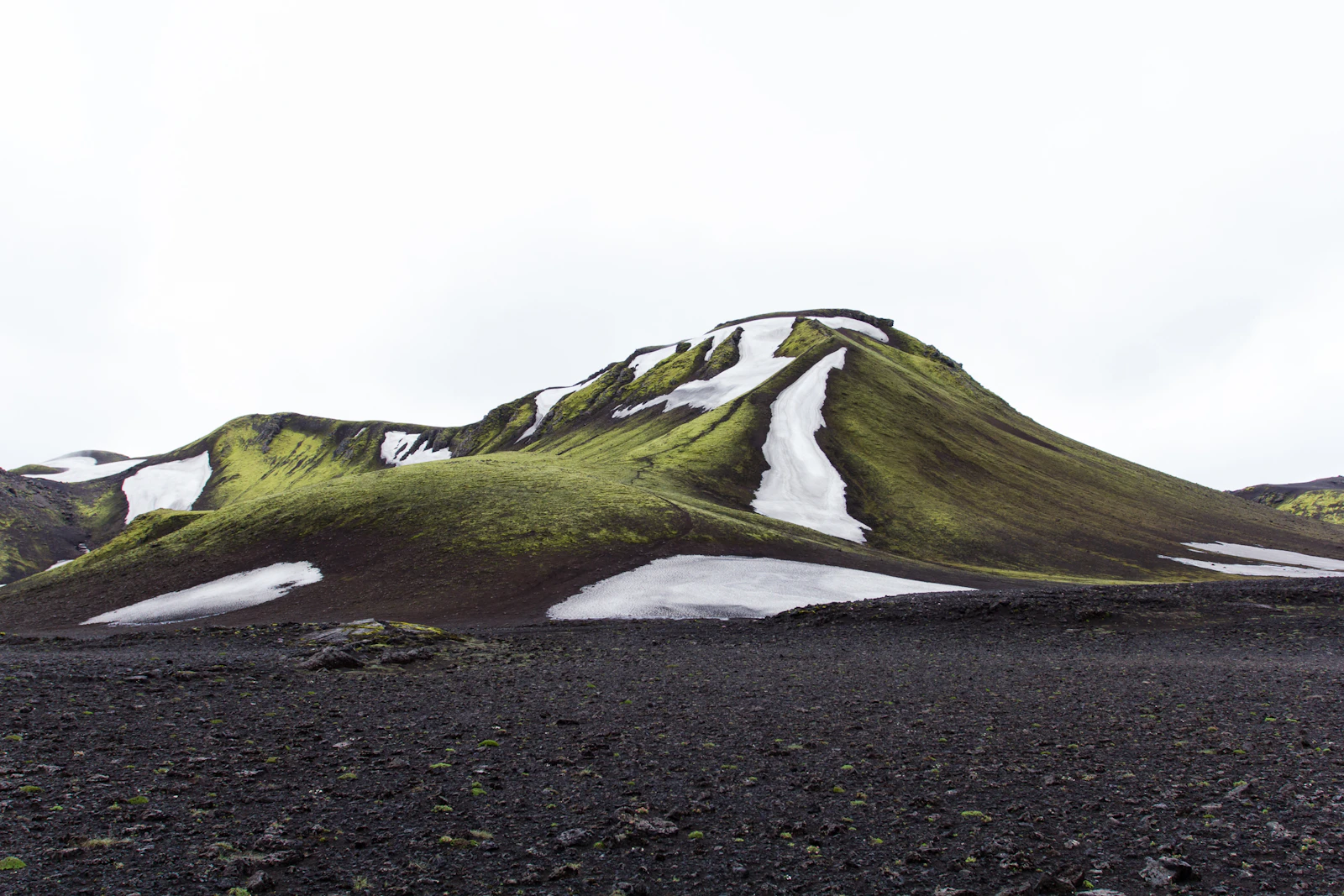
| Danakil Highlands, Iceland | Volcanic calderas & obsidian fields | $180 – $300 (independent camper) | September to October | 5 Days |
Selecting the right environment depends heavily on your comfort with physical hardship and your budget. South American salt flats have easy entry points. East African hydrothermal zones need strict, multi-vehicle trips run by licensed local operators. Budget these variables well and the trip stays inspiring, not a stress test.
Common Pitfalls and Misconceptions When Seeing Harsh Landscapes

Even experienced travelers often stumble when transitioning from urban or standard nature travel into truly alien places. Recognizing these common errors before you depart can save you from costly or dangerous situations:
- Underestimating Height Sickness: High lava plateaus without a climb-up plan cause headaches and nausea. The fix: Spend 48 hours near 2,000 meters. After that, rise above 3,500 meters.
- Trusting Standard Weather Forecasts: Generic apps often miss microclimates in deep canyons, high deserts, or volcanic craters. The fix: Ask regional weather services and local guides who know that exact area’s patterns.
- Card Payments Fail: In far regions, card terminals often die from bandwidth limits or power outages. The fix: Carry plenty of local cash or hard currency in small bills for emergencies.
⚠️ Heads up: Never drink untreated water from springs or salt pools. Volcanic or salty zones hide heavy metals that cause severe illness.
Budgeting and Financial Planning for a 2026 Off-Grid Expedition
📖 See also: Alsace – Route des Vins Travel Guide
Financial planning for far, other-planet places requires a fundamentally different approach than standard holiday budgeting. Infrastructure is minimal or absent. Hidden costs add up: custom vehicle rentals, mandatory guides, satellite rentals, and evacuation cover. These often form most of the total spend. In 2026, daily costs in such regions range from $80 to $300 USD. Your setup decides the rate: self-drive with rented gear, or join a small group trip.
To manage these costs effectively, consider the following structural money guidelines:
- Put 40% toward transport and logistics: Fuel surcharges and 4WD hire cost a premium in far lands.
- Secure comprehensive medical evacuation cover that specifically covers hard adventure travel, far extraction, and high-height activities. Standard travel cover policies frequently exclude trips occurring more than 50 miles from a conventional hospital.
- Book local operators directly rather than through international intermediary agencies when possible. This keeps money benefits within the local community and often grants you more flexible scheduling.
A Solo Traveler’s Step-by-Step Mini-Itinerary: The High Andean Salt Deserts
Solo travelers want a profound, safe, and stunning trip. The high desert plateaus on South America’s border lands mix calm and access like nothing else. Here is a five-day blueprint for solo explorers chasing quiet:
- Day 1: Arrival and Acclimatization. Arrive at a staging town such as San Pedro de Atacama or Uyuni. Rest, drink, and walk slowly all day. Let your body adjust to 3,500 meters.
- Day 2: Salt Lagoons and Geothermal Valleys. Hire a shared local transport service to visit high salt lagoons inhabited by flamingos. Observe the shifting salt colors as the sun moves across the borax crusts.
- Day 3: Deep Desert Solo Reflection. Rent a bike or get dropped near the salt flat edge. Walk four hours in total silence. Watch hexagonal salt forms; no urban noise at all.
- Day 4: Stargazing Expedition. Book a night sky tour or step beyond town limits with a red light headlamp. The lack of atmospheric humidity and light pollution reveals the Milky Way with startling, three-dimensional clarity.
- Day 5: Departure and Integration. Take a morning shuttle to the transit hub. Leave time to reflect before city life returns.
📍 Local insight: In high desert towns, drink local muña (Andean mint) tea all afternoon. Communities there have used it for centuries to ease mild height discomfort, with no drug side effects.
Academic Insights: The Psychology and Ecology of Harsh Terrains

Understanding the human attraction to surreal and barren landscapes requires examining both environmental psychology and cultural geography. Research on humans and nature shows why these spots pull us so strongly. Sociologists who study far landscapes find that spaces free of human artifacts trigger ‘soft fascination’. The brain’s directed attention rests and recharges. Wilderness research shows scenes that defy the usual look reset our thinking. They seed humility and a tie to deep rock time.
Scholars note the cultural overlay: indigenous populations gave these harsh topographies deep spiritual meaning. They saw living entities, not empty wastelands. Contemporary spatial theory covers this view. It tracks how human presence and rock forms entwine across millennia into deep cultural landscapes (one study). Urban and rural ecology studies show the same. Even in heavily altered places, new ecosystems settle in odd ways: nature bends to harsh pressure (Berlin study). These frameworks help mindful travelers move past looks. They gain a deep hold on the forces shaping the planet’s most striking frontiers.
Editor’s Verdict
📖 See also: Chambéry Travel Guide
Editor’s verdict (continued)
Seeing the planet’s most surreal places is ultimately an exercise in humility and intentional pacing. Want true quiet, rock wonder, and crowd-free space over comfort? Spend your 2026 budget on an off-grid wild trip. It will reshape how you see the world.
📝 Editor’s note
GlobalSilentWalks editorial team curates these places for solo travelers seeking profound quietude. We independently verify every location for crowd levels and ecological sensitivity as of 2026.
Plan Your Journey with GlobalSilentWalks
Get set to walk the most quiet and stunning corners of the planet. Let GlobalSilentWalks be your guide. Our editorial hub gives vetted itineraries, noise maps, and advice for travelers who value depth over lists. Explore our comprehensive planning guides to discover more hidden places that honor silence, nature, and slow travel.
Sources consulted: Wikivoyage (community travel guide and local tips).
- How to find surreal landscapes on a budget?
- Budget surreal trips need shoulder seasons: April to May or September to October. Focus on lesser-known public lands run by local forest services, not marketed private reserves.
- Why choose otherworldly landscapes for a 2026 trip?
- Choosing far, visually striking places offers a powerful antidote to digital fatigue. These quiet places invite slow travel and deep thought. They rank high on many a 2026 bucket list.
- Is seeing these far landscapes worth it?
- Yes, especially if you value calm over convenience. These spots' sheer scale and odd rock give a deep reset that city or beach trips cannot match.
- When is the best time for seeing otherworldly landscapes?
- The best timing depends on latitude and microclimate. Broadly, spring and autumn give the most stable weather. Visitor numbers also sit far below the summer rush.
- What are the best places for otherworldly landscapes?
- Top contenders: Danakil in Ethiopia, Bolivia's salt flats, and Socotra's rock shapes. The stark lava plains of Kamchatka or Iceland's highlands round out the list.
Plan Your Trip & Start Walking
Ready to slow down in 12 Most Otherworldly Landscapes on Earth to Visit in 2026? Bookmark this guide, pick the walk that calls to you, and let each quiet step reveal the place.