How to Photograph a Gourmet Table That Stops the Scroll: 2026 Guide
Learn how to photograph a gourmet table that stops the scroll with our expert guide. Master lighting, styling, and the 2026 jomo-travel aesthetic.
How to Photograph a Gourmet Table That Stops the Scroll
Capturing a table setting that demands attention requires a blend of technical precision, artistic styling, and an understanding of modern digital psychology. Whether you are documenting an artisan breakfast in the Luberon Valley or a quiet tea ceremony in Kyoto, the goal is to create an image that feels both aspirational and grounded. In an era where thousands of images flash across a screen every minute, a photograph must possess a certain ‘visual weight’ to make a viewer pause their thumb mid-swipe. This isn’t just about high resolution; it is about the story told through the arrangement of textures, the direction of light, and the intentional use of negative space. By focusing on the quiet details of a gourmet table, you can transform a simple meal into a compelling narrative.
Why jomo-travel is reshaping how we photograph the table in 2026
The 2026 travel landscape is dominated by the concept of jomo-travel (the Joy of Missing Out), a movement that prioritizes presence and peace over the frantic checklist-style tourism of the past. For photographers, this means moving away from the ‘over-saturated’ and ‘hyper-edited’ looks that defined the early 2020s. Instead, there is a growing demand for images that evoke a sense of calm and exclusivity. This trend encourages travelers to seek out off-the-beaten-path locations where they can enjoy a meal without the pressure of performing for an audience. When you photograph a table through the lens of jomo, you are capturing a moment of personal sanctuary.
✨ A truly scroll-stopping photograph isn’t just about the subject; it’s about the silence and intention captured within the frame.
This shift is reflected in the way we use light and composition. Rather than aiming for the bright, airy ‘influencer’ look, 2026 aesthetics favor low-key lighting and natural shadows that suggest a quiet, intimate atmosphere. According to the UNWTO Sustainable Tourism reports from 2025, there has been a 22% increase in travelers seeking ‘silent retreats’ and ‘slow-food’ experiences. Your photography should reflect this by highlighting the raw, organic beauty of the ingredients—think the dusty skin of a fresh fig or the condensation on a glass of sparkling botanical infusion. By embracing the imperfections of a real meal, your photos gain a level of authenticity that resonates deeply with an audience tired of artificial perfection.
💡 Pro tip: Turn off your camera’s flash and rely entirely on side-lighting from a window to create depth and ‘burn’ in the textures of the table linen.
The Technical Foundation: Master Your Settings
To create a photograph that stops the scroll, you must first master the technical aspects of your gear. Whether using a Canon EOS R5 or a high-end smartphone, the principles of light and focus remain the same. The key to a professional-looking table shot is a shallow depth of field, which draws the eye to a specific focal point while softly blurring the background. This technique, known as bokeh, helps to eliminate distractions and creates a sense of intimacy. For those using a DSLR or mirrorless system, a prime lens with a wide aperture (such as a 50mm f/1.8 or an 85mm f/1.2) is ideal for this purpose.
- Set a Low ISO: Always aim for ISO 100 or 200 to ensure your image is crisp and free of digital noise, especially in the shadows.
- Use a Tripod: For low-light situations, a Peak Design travel tripod allows you to use slower shutter speeds without risking camera shake.
- Manual Focus: When shooting close-ups of food or glassware, manual focus ensures the sharpest point is exactly where you want it (e.g., the rim of a glass).
- Aperture Priority: Use a wide aperture (f/1.8 to f/2.8) to isolate subjects, or a narrower aperture (f/5.6 to f/8) for flat-lay ‘table-scapes’.
- White Balance: Adjust your white balance to ‘Cloudy’ or ‘Shade’ to add a warm, inviting glow to your table scenes.
- Exposure Compensation: Slightly underexpose your shot (by -0.3 or -0.7) to preserve the details in the highlights of white plates or linens.
- Grid Lines: Enable the 3x3 grid on your screen to help with the ‘Rule of Thirds’ and ensure your horizons are level.
- Shoot in RAW: This format captures the maximum amount of data, allowing for professional-grade color grading in Adobe Lightroom later.
Styling Your Table: Textures and Props
Styling is where the magic happens. A ‘naked’ table rarely looks as good in a photograph as one that has been thoughtfully curated. Start with a base of high-quality textiles. Linen is a favorite for 2026 because of its natural wrinkles and tactile quality. Avoid perfectly ironed cloths; the slight ‘imperfection’ adds to the jomo-travel vibe. Next, consider your color palette. Monochromatic schemes (different shades of beige, cream, and brown) are currently trending, but a pop of color from a seasonal fruit or a sprig of rosemary can give the necessary contrast to catch a scroller’s eye.
| Element | Material Recommendation | Visual Impact | Price Range (2026) |
|---|---|---|---|
| Tablecloth | Organic Belgian Linen | Adds soft texture and diffuses light | €60–€150 |
| Dinnerware | Hand-thrown Stoneware | Gives an artisanal, rustic feel | €25–€80 per piece |
| Cutlery | Matte Brass or Brushed Steel | Low reflection, high elegance | €40–€120 set |
| Glassware | Ribbed or Recycled Glass | Creates interesting light refractions | €15–€45 per glass |
When arranging props, remember the ‘Rule of Odds.’ Grouping items in threes or fives tends to be more visually appealing than even numbers. Place a carafe of infused water, a small bowl of olives, and a single linen napkin in a triangular formation. This creates leading lines that guide the viewer’s eye through the frame. Be careful not to over-clutter; negative space (the empty areas of the table) is just as important as the subjects themselves. It gives the eye a place to rest and emphasizes the ‘quiet’ nature of the scene.
📍 Local insight: In the bistros of Provence, locals often leave the bread directly on the table rather than in a basket. This ‘messy’ but authentic touch makes for a much more compelling photograph.
Common Photography Pitfalls and How to Fix Them

Even with the best gear, several common mistakes can ruin a table photograph. One of the most frequent issues is ‘flat’ lighting. This happens when the light source is directly behind the camera, washing out all shadows and making the food look unappealing. To fix this, always position your table so the light comes from the side or slightly from behind the subject. This creates highlights and shadows that define the shape and texture of the items on the table.
Another pitfall is the dreaded ‘redeye’ or harsh reflection on glassware. This is usually caused by using a direct flash. Instead, use a Manfrotto reflector to bounce natural light back into the shadows, or use a ‘cinematograph’ technique by filming a short video and extracting the best frame. If you are shooting in a dark restaurant, ask for a table near the window or use a portable LED panel like those from Profoto to give a soft, directional glow. Avoid ‘document’ style photography where you simply take a snap of the plate from above without considering the background; a stray salt shaker or a crumpled receipt can instantly break the ‘premium’ illusion.
- Pitfall 1: Distracting Backgrounds. Fix: Use a wide aperture to blur the background or move the table away from busy areas.
- Pitfall 2: Yellow/Orange Color Cast. Fix: Adjust your camera’s White Balance settings or use the ‘Temperature’ slider in post-processing to cool the image down.
- Pitfall 3: Distorted Perspectives. Fix: Avoid using an ultra-wide lens for close-ups, as it can make plates look oval-shaped. Stick to a 35mm or 50mm focal length.
discover our night train travel tips europe guide · discover our how to pack carry on 7 days 2026 guide · discover our travel select amsterdam softside expandable luggage with guide
discover our night train travel tips europe guide · discover our how to pack carry on 7 days 2026 guide · discover our travel select amsterdam softside expandable luggage with guide
Budget and Gear Considerations for 2026
You don’t need a around €10,000 kit to take world-class photographs, but investing in a few key pieces of equipment can clearly elevate your work. For the modern travel photographer, portability is just as important as image quality. As of 2026, many professionals are moving toward high-end mirrorless systems that offer full-frame sensors in compact bodies. However, the latest smartphones have also made massive leaps in sensor technology, making them a viable option for those who want to travel light.
| Gear Level | Recommended Setup | Best For | Estimated Cost (2026) |
|---|---|---|---|
| Entry-Level | High-end Smartphone + Mobile Tripod | Quick social media sharing | €800–€1,400 |
| Enthusiast | Fujifilm X-T5 + 35mm f/2 Lens | Travel-friendly high quality | around €1,800–€2,500 |
| Professional | Sony A7R V + 50mm f/1.2 GM | Large-scale editorial prints | around €4,500–€7,000 |
| Accessories | Reflector, LED light, Linen props | Enhancing any setup | €150–€400 |
Beyond the camera, consider the ‘software’ side of your budget. Subscriptions to editing suites like Adobe Creative Cloud (roughly €10–€20 per month as of 2026) are essential for fine-tuning your images. If you are serious about the ‘scroll’ effect, you might also invest in a best photo scroll app that allows you to create seamless carousels or ‘scrolling screenshots’ of your work for platforms like TikTok. These apps often cost between €5–€15 for a premium version, but they give the tools needed to turn a single image into a multi-sensory experience.
To go further, see How to Photograph Your Trip Like a Pro with Just a Phone in 2026
⚠️ Heads up: Always check the photography policy of high-end establishments. Some ‘silent’ venues in 2026 charge a ‘content fee’ of €50–€100 for professional gear use.
A Step-by-Step Guide to a Sunset Table Shoot
To capture the ultimate scroll-stopping image, timing is everything. The ‘Golden Hour’—the hour before sunrise or after sunset—gives the softest, most flattering light. During this window, the sun is low in the sky, creating long shadows and a warm, golden glow that is impossible to replicate with artificial lighting. Imagine a table set on a terrace overlooking the Mediterranean; the light hits the side of a ceramic pitcher, casting a soft glow across a plate of local cheeses.
- Preparation (16:00): Scout your location. Look for a table with a neutral background and good access to side-lighting. Clean all glassware to remove fingerprints.
- Styling (17:00): Lay down your linen. Arrange your main subjects (plates, carousels of fruit, botanical infusions) using the Rule of Thirds. Add ‘life’ to the scene by scattering a few crumbs or placing a half-filled glass.
- Technical Setup (17:30): Mount your camera on a tripod. Set your ISO to 100 and your aperture to f/2.8. Take a few test shots to check the exposure as the sun begins to dip.
- The Shoot (18:00–18:30): This is the peak light. Take a variety of angles: a ‘flat’ lay from directly above, a 45-degree ‘hero’ shot, and a low-angle shot to capture the height of the glasses.
- The ‘Human’ Element (18:45): Capture a ‘hand in frame’ moment—perhaps someone reaching for a piece of fruit. This adds a sense of story and movement to the static scene.
- Post-Processing (Later): Use Lightroom to enhance the warm tones and add a slight ‘grain’ for a film-like aesthetic. Ensure your caption reflects the jomo-travel spirit of the moment.
The Psychology of the Scroll: Insights from Visual Experts

Why does one photo make us stop while another is ignored? According to visual research cited by National Geographic in their 2025 digital trends report, the human brain is wired to respond to ‘high-contrast’ and ‘familiar-yet-novel’ imagery. A table setting works well because it is a universal symbol of community and nourishment, yet a ‘gourmet’ presentation offers a novel, aspirational twist. The use of photography scroll techniques—where an image is split across multiple slides—leverages our natural curiosity, prompting us to ‘see more’.
Experts in the field of ‘cinematography’ for social media suggest that the most successful images are those that evoke a specific sensory memory. When a viewer can almost ‘smell’ the fresh basil or ‘feel’ the cold condensation on a glass, they are clearly more likely to engage with the post. As Miles Gerald Bradford noted in his studies of visual history, the most enduring images are those that ‘document’ a feeling rather than just a fact. In 2026, the ‘greatest photograph ever taken’ of a meal isn’t the one with the most expensive food, but the one that captures the most profound sense of peace. This is the heart of the GlobalSilentWalks philosophy: finding beauty in the quiet, unhurried moments of life.
Editor’s verdict
To truly stop the scroll in 2026, abandon the pursuit of perfection and embrace the jomo-travel aesthetic. Use natural side-lighting, invest in high-quality textiles, and focus on the small, sensory details that tell a story of quiet luxury and intentional presence.
discover our JOMO travel: the joy of missing out on crowded destinations guide · discover our Regenerative travel 2026: how to leave places better than you found them guide
discover our JOMO travel: the joy of missing out on crowded destinations guide · discover our Regenerative travel 2026: how to leave places better than you found them guide
Gear we would pack for this trip
From our shop, chosen to match this guide:
 Rechargeable Hand Warmer & Power BankA pocket-size USB rechargeable hand warmer with a digital display that doubles as a phone charger.€22.90
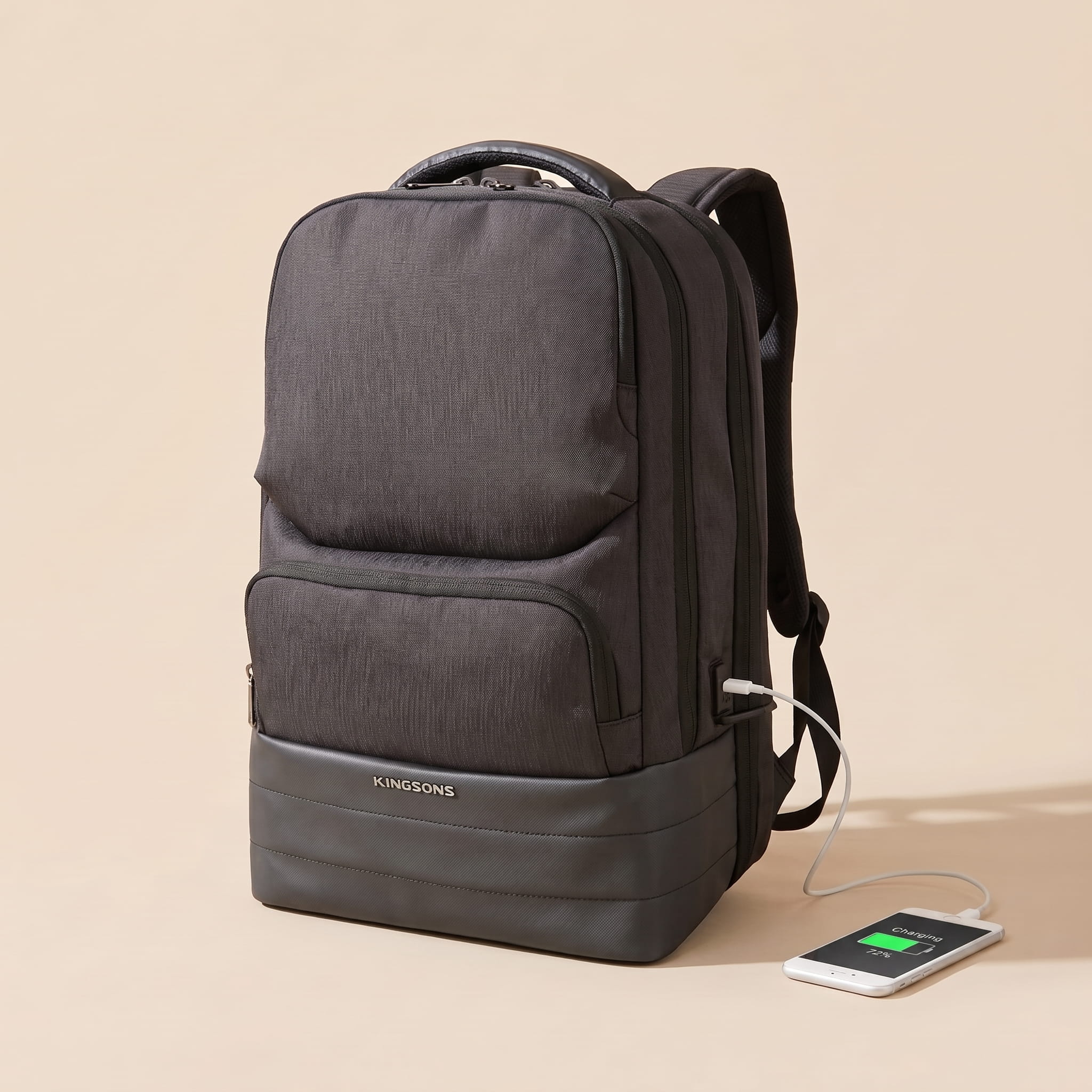
 Anti-Theft Travel Backpack with USB PortA splash-resistant black backpack with anti-theft pockets, an external USB port and a laptop compartment.€36.90
 Compression Packing Cubes, Set of 6Six compressible packing bags that sort clothes, shoes and toiletries inside your suitcase.€19.90
📝 Editor’s note
This guide was compiled by the GlobalSilentWalks Editorial team to help travelers embrace slow, intentional photography in an era of digital noise. We focus on techniques that honor the quiet beauty of a shared meal without the need for high-speed capture or artificial hype.
Final Planning for Your Next Silent Walk and Shoot
As you plan your next journey, remember that the best photographs are often those taken when you are most relaxed. Photography should be an extension of your experience, not a distraction from it. By following the principles of slow travel and intentional composition, you can create a portfolio that doesn’t just look good on a screen but also serves as a meaningful record of your travels. For more guides on capturing the world’s most serene locations, visit our planning hub at GlobalSilentWalks.
Whether you are exploring the hidden tea houses of East Asia or the sun-drenched orchards of Southern Europe, the secret to a scroll-stopping table remains the same: light, texture, and a touch of silence. We encourage you to put down the phone once the shot is taken, enjoy the meal, and savor the joy of missing out on the digital noise for a while. Your best work will always come from a place of genuine connection to your surroundings.
Editor’s note: This article was developed by GlobalSilentWalks Editorial to give professional-grade photography advice for the modern, conscious traveler. We prioritize sustainable practices and the promotion of quiet, respectful tourism across all over the globe.
Sources consulted: Visit The USA (official USA tourism board), Rick Steves (independent travel advice and itineraries) and Lonely Planet (up-to-date practical travel information).
- How to film scrolling on iPhone for a BTS look?
- To film a scrolling effect on an iPhone, use the built-in Screen Recording feature found in the Control Center. Open your photo gallery or social feed, start the recording, and scroll smoothly at a consistent pace. For a more cinematic look, you can use a 'scrolling screenshot' app to capture long-form content and then animate it in a video editor like CapCut or Adobe Premiere Rush as of 2026.
- How to film scrolling on Android for social media?
- Android users can utilize the native screen recorder available in the Quick Settings panel. Swipe down, tap 'Screen Record,' and choose to record media sounds if needed. To create a 'photo scroll' effect for platforms like TikTok, select multiple images in the app’s editor and use the 'Auto-cut' or 'Photo Animation' features to transition between shots.
- How to make a photo scroll on TikTok or Reels?
- To create a photo scroll on TikTok, use the 'Photo Mode' which allows users to swipe through a carousel of images. Alternatively, to make a video that looks like a scrolling feed, use a third-party app like Canva or InShot to place your photos on a long vertical canvas and use keyframes to move the image upward, simulating a scroll.
- What is the greatest photograph ever taken in the context of still life?
- While subjective, many art historians point to the works of Irving Penn or the early still-life experiments of the 19th century as foundational. In a modern context, the 'greatest' photographs are often those that balance technical perfection with emotional resonance, such as the quiet, minimalist table settings found in high-end editorial magazines.
- How do I take a screenshot of a full page scroll?
- On most modern smartphones, taking a full-page scroll screenshot involves taking a standard screenshot and then tapping the 'Scroll' or 'Capture More' button that appears in the preview thumbnail. On a MacBook, you can use the 'Export as PDF' function in Safari or a browser extension like 'GoFullPage' to capture an entire web layout in one document.
Plan Your Trip & Start Walking
Ready to slow down in How to Photograph a Gourmet Table That Stops the Scroll: 2026 Guide? Bookmark this guide, pick the silent walk that calls to you, and let the city reveal itself one quiet step at a time.